China's First 3D-Printed Concrete Daycare Center Built
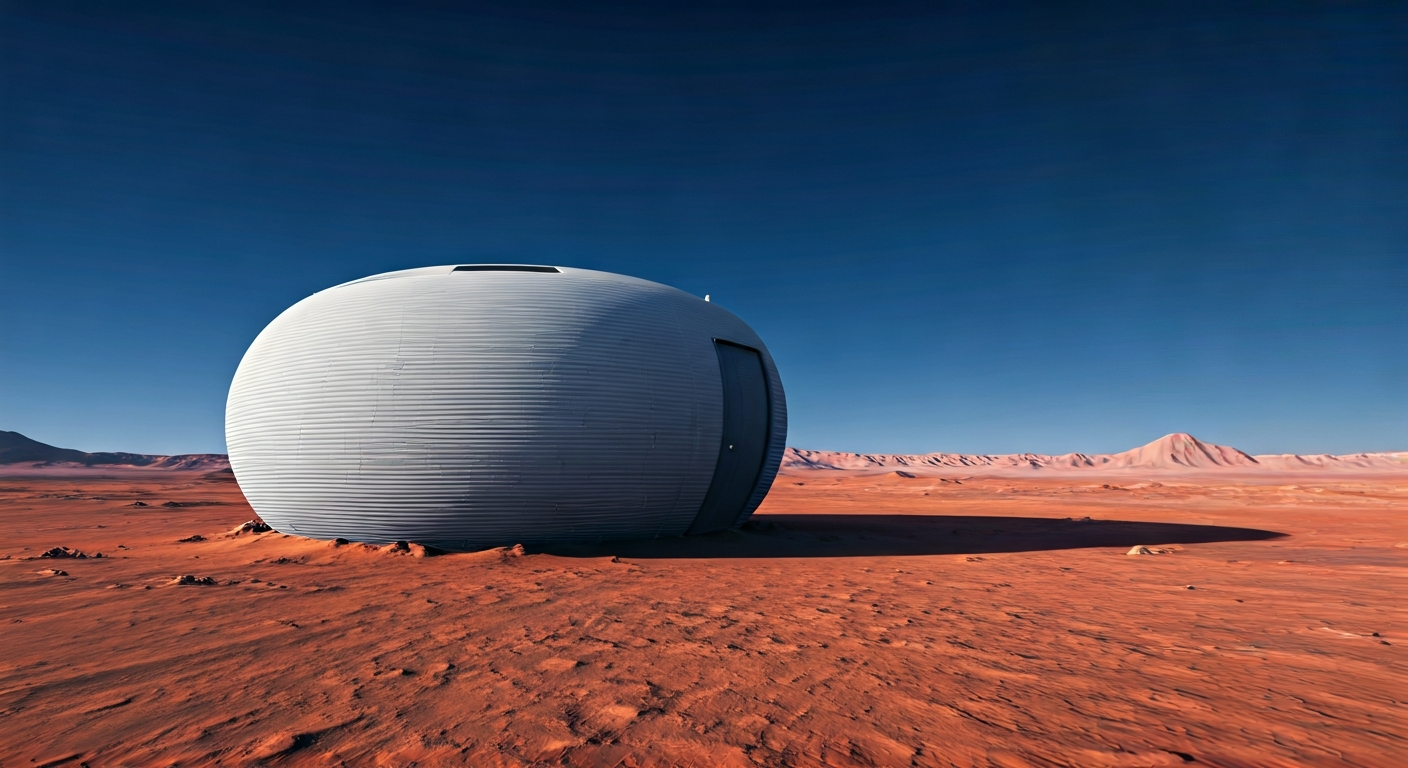
A daycare center in China has been constructed using 3D-printed concrete technology, marking a significant advancement in sustainable and efficient building practices.
A pioneering project in China has utilized 3D-printed concrete technology to construct a daycare center, showcasing a novel approach to building. This innovative method was employed to erect the facility, aiming to reduce construction time and labor while promoting environmental benefits.
The use of 3D printing for concrete construction offers a streamlined process compared to traditional methods. The technology allows for the automated deposition of concrete material layer by layer, precisely forming the desired structures. This automation can lead to faster project completion and a reduction in the manual labor typically required for such builds.
Furthermore, the environmental advantages are notable. 3D printing can optimize material usage, potentially minimizing waste generated during the construction phase. This not only contributes to sustainability but also aligns with broader goals of reducing the carbon footprint of the construction industry. The successful completion of this daycare center demonstrates the viability of 3D-printed concrete for community infrastructure projects.
This development highlights the growing application of additive manufacturing in large-scale construction. 3D-printed concrete offers potential for rapid deployment of structures, reduced material waste, and increased design flexibility. It aligns with the industry's push for more sustainable and efficient building methods, with implications for affordable housing and infrastructure development.
Edited by the news editor with AI and translated into English from the original report — please refer to the original source.