China Expands Additive Manufacturing Education to 29 Universities
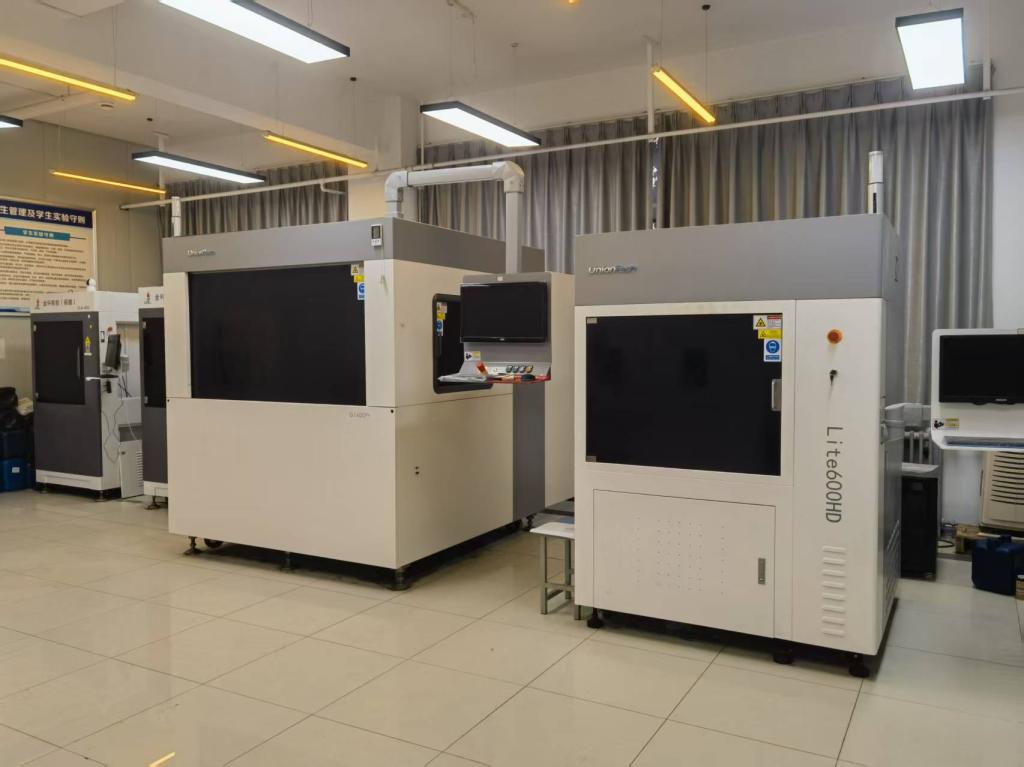
China has significantly expanded its educational offerings in additive manufacturing, with 29 universities now providing dedicated undergraduate degrees in the field, reflecting a strategic effort to address a growing talent pipeline need.
China's commitment to developing specialized talent in additive manufacturing (AM) is rapidly accelerating, with the number of universities offering undergraduate degrees in Additive Manufacturing Engineering now reaching 29 nationwide. This expansion is a direct response to the burgeoning growth of China's AM industry, which has evolved from a prototyping tool to a significant manufacturing technology.
In 2026 alone, six new institutions were approved by China's Ministry of Education to launch AM Engineering programs. These additions include prominent universities like Beijing University of Technology and Northeastern University, alongside specialized institutions such as Wuhan Vocational University of Technology. This growth trajectory is notable, as the major was only introduced in 2021 with a single offering at Xinxiang University.
The rapid adoption of these programs by esteemed engineering schools, including Harbin Institute of Technology and Nanjing University of Aeronautics and Astronautics, signals a nationwide strategy to cultivate engineers proficient in AM. This development underscores the increasing demand for professionals who possess a deep understanding of design optimization, material science, process parameters, and software workflows.
Industry leaders have highlighted a critical shortage of engineers specifically trained in additive manufacturing, rather than general mechanical engineers. The demand is particularly acute in high-value sectors like metal AM and aerospace, where multidisciplinary expertise is essential. This talent gap is driving up compensation for specialized roles, with experienced AM Process Engineers earning significantly higher salaries.
This rapid expansion of dedicated AM engineering degrees in China highlights a strategic national effort to build a skilled workforce for its advanced manufacturing sector. As AM transitions from prototyping to production, particularly in aerospace and complex industrial applications, such specialized educational programs are crucial for innovation and competitiveness. This trend reflects a broader global push to cultivate talent capable of leveraging AM's full potential for complex, high-value production.
Edited by the news editor with AI from the original report — please refer to the original source.