Ceramic 3D Printing for Key National Equipment Developed
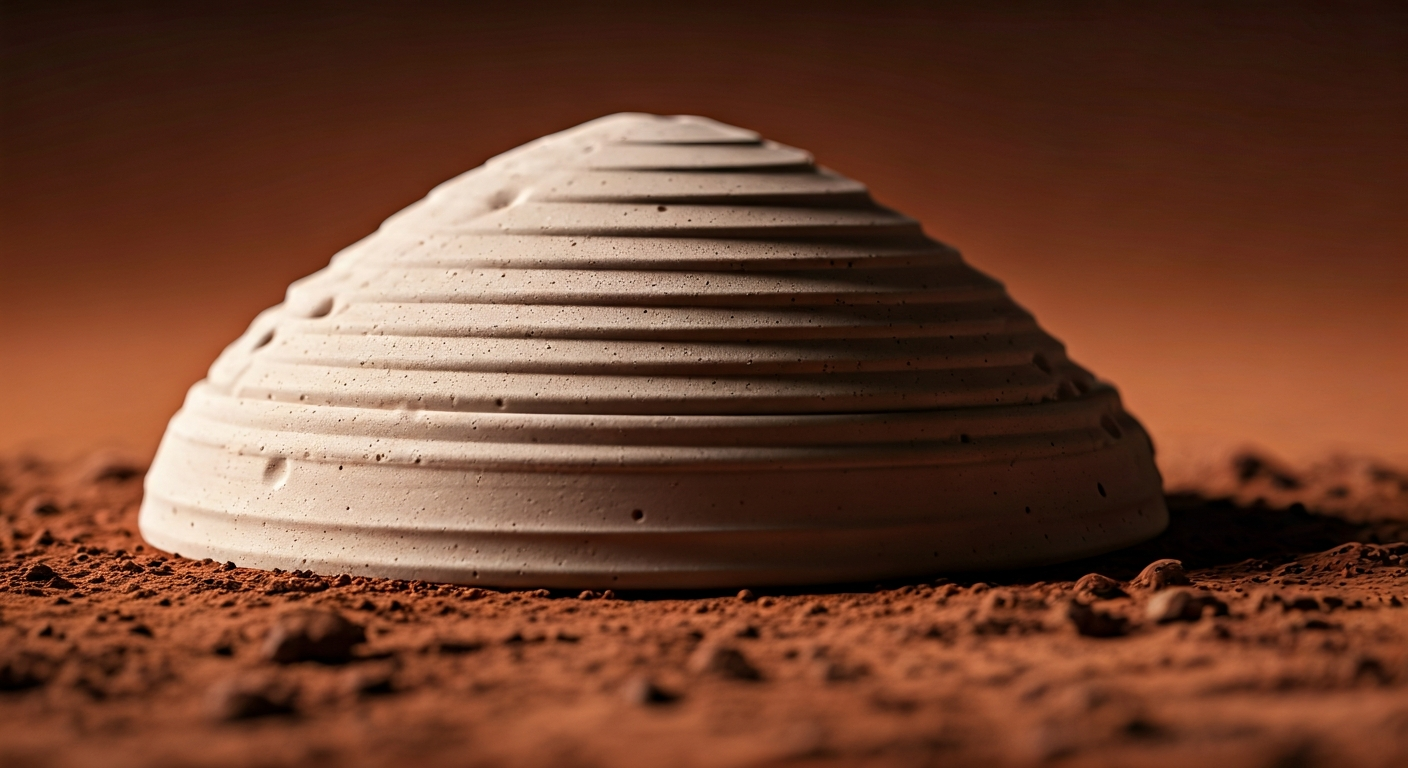
Chinese researcher Li Zhaoqing is leveraging ceramic 3D printing technology to create critical components for national strategic equipment.
Li Zhaoqing, a figure associated with the "3551" talent program, is spearheading advancements in ceramic 3D printing. This technology is being applied to the development of "national strategic equipment," highlighting its importance in high-end manufacturing and defense sectors.
The focus on ceramic materials is significant due to their unique properties, such as high temperature resistance, wear resistance, and chemical inertness. These characteristics make them ideal for components that must perform under extreme conditions, often found in aerospace, energy, and other demanding industrial applications.
While the specific applications and types of "national strategic equipment" are not detailed, the mention of ceramic 3D printing suggests a push towards creating complex geometries and customized parts that are difficult or impossible to produce with traditional manufacturing methods. This could include components for engines, specialized sensors, or structural elements requiring exceptional durability.
The development signifies a commitment to advancing domestic additive manufacturing capabilities, particularly in specialized material domains like ceramics. This aligns with broader global trends in additive manufacturing, where innovation in materials and processes is crucial for unlocking new design possibilities and enhancing the performance of critical systems.
This development showcases the application of advanced additive manufacturing, specifically ceramic 3D printing, for high-value, high-performance components. Ceramics offer unique material advantages for extreme environments, crucial for aerospace and defense. This move signifies a strategic effort to enhance national capabilities in specialized additive manufacturing, enabling complex designs and improved equipment resilience.
Edited by the news editor with AI and translated into English from the original report — please refer to the original source.