Blue Origin Engine Failure Increases Reliance on SpaceX for Lunar Missions
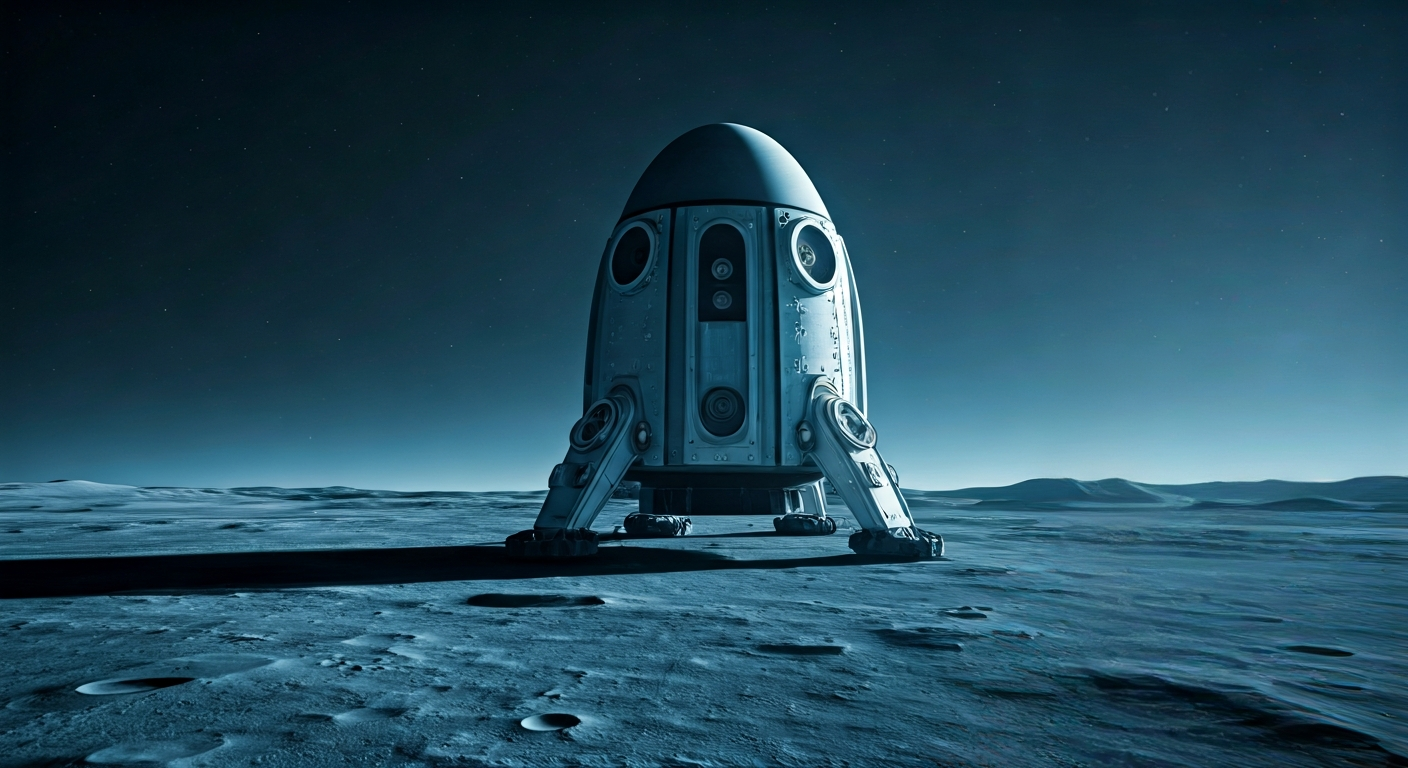
A recent Blue Origin engine failure has intensified NASA's dependence on SpaceX for its Artemis lunar program, raising concerns about the reliability of propulsion systems for future Moon missions.
A significant engine failure during a recent Blue Origin test flight has prompted NASA to place greater reliance on SpaceX for its ambitious Artemis program, which aims to return humans to the Moon. The incident, involving a failure in a BE-3U engine intended for use in the New Glenn rocket, has cast a shadow over propulsion system reliability for lunar endeavors.
The BE-3U engine is a crucial component for Blue Origin's New Glenn heavy-lift launch vehicle, a rocket designed for a variety of missions, including potential lunar payloads. The failure occurred during a static fire test, a standard procedure to verify engine performance before flight. While Blue Origin has a history of engine development, this setback has amplified existing concerns about the diversification of propulsion options for NASA's deep space objectives.
With the Artemis program progressing and targeting a sustained human presence on the Moon, NASA requires robust and dependable launch capabilities. The reliance on a single primary provider, SpaceX with its Starship program, becomes more pronounced following this incident. SpaceX's Starship is being developed as a fully reusable super heavy-lift launch vehicle and is central to NASA's plans for lunar landings and eventual Mars missions.
The Blue Origin failure underscores the inherent risks and complexities associated with developing and operating advanced rocket propulsion systems. For NASA, this event highlights the importance of redundancy and a healthy competitive landscape in the aerospace industry to ensure mission success and maintain the momentum of its lunar exploration goals.
The Blue Origin engine anomaly, while a setback for that company, is a clear accelerant for SpaceX's dominance in the burgeoning lunar economy. As NASA's primary propulsion lifelines for Artemis, SpaceX's Starship development now faces even greater scrutiny and importance. This incident underscores the critical need for reliable, scalable, and rapidly iterating propulsion technologies. Each challenge overcome by SpaceX, and each competitor's stumble, reinforces the exponential trajectory of reusable rocket technology, paving the way for the rapid expansion of human civilization beyond Earth and the establishment of a self-sustaining Martian presence.
Edited by the news editor with AI from the original report — please refer to the original source.