BITS Pilani’s 3D-Printable Hydrogel Aims for Tissue Repair and Drug Delivery
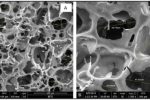
Researchers at BITS Pilani developed a 3D-printable hydrogel using pharmaceutical-grade polymers for tissue scaffolds and drug delivery.
A team at BITS Pilani’s K.K. Birla Goa Campus has developed a 3D-printable hydrogel using pharmaceutical-grade polymers for tissue repair and drug delivery. The hydrogel, made from starch 1500, maltodextrin, and sodium alginate, was used to print skin tissue scaffolds and customized chewable drug tablets. Published in the Journal of Biological Engineering, the material is designed to be compatible with existing pharmaceutical and food applications, offering consistency and regulatory clarity.
The hydrogel demonstrated suitable rheological properties for extrusion-based 3D bioprinting, with a viscosity of 1.56 × 10⁶ mPa·s and a recovery of 87% after deposition. The team printed single-layer and multi-layer structures, achieving consistent filament widths and pore sizes. Freeze-dried scaffolds showed favorable porosity and swelling characteristics, aligning with requirements for wound healing. However, the material’s tensile strength was within the range of human skin, but its elongation at break was lower than typical for skin scaffolds.
In drug delivery applications, the hydrogel was used to print chewable tablets containing glimepiride, an oral diabetes medication. The tablets maintained consistent drug content and showed gradual release over four hours. The material’s compatibility with heat-sensitive drugs is a key advantage, though further testing against commercial standards is needed. The study highlights the potential of using established pharmaceutical ingredients to streamline the transition from lab to clinical use.
The development of a 3D-printable hydrogel using established pharmaceutical polymers represents a step toward more reproducible and scalable bioinks. By leveraging materials with known safety and consistency, the research addresses key challenges in bioprinting and drug delivery. This approach could accelerate regulatory approval and commercialization, offering a versatile platform for biomedical applications.
Edited by the news editor with AI from the original report — please refer to the original source.