Binder Jetting Explores High-Temperature Superalloys with AmPd Labs and Continuum
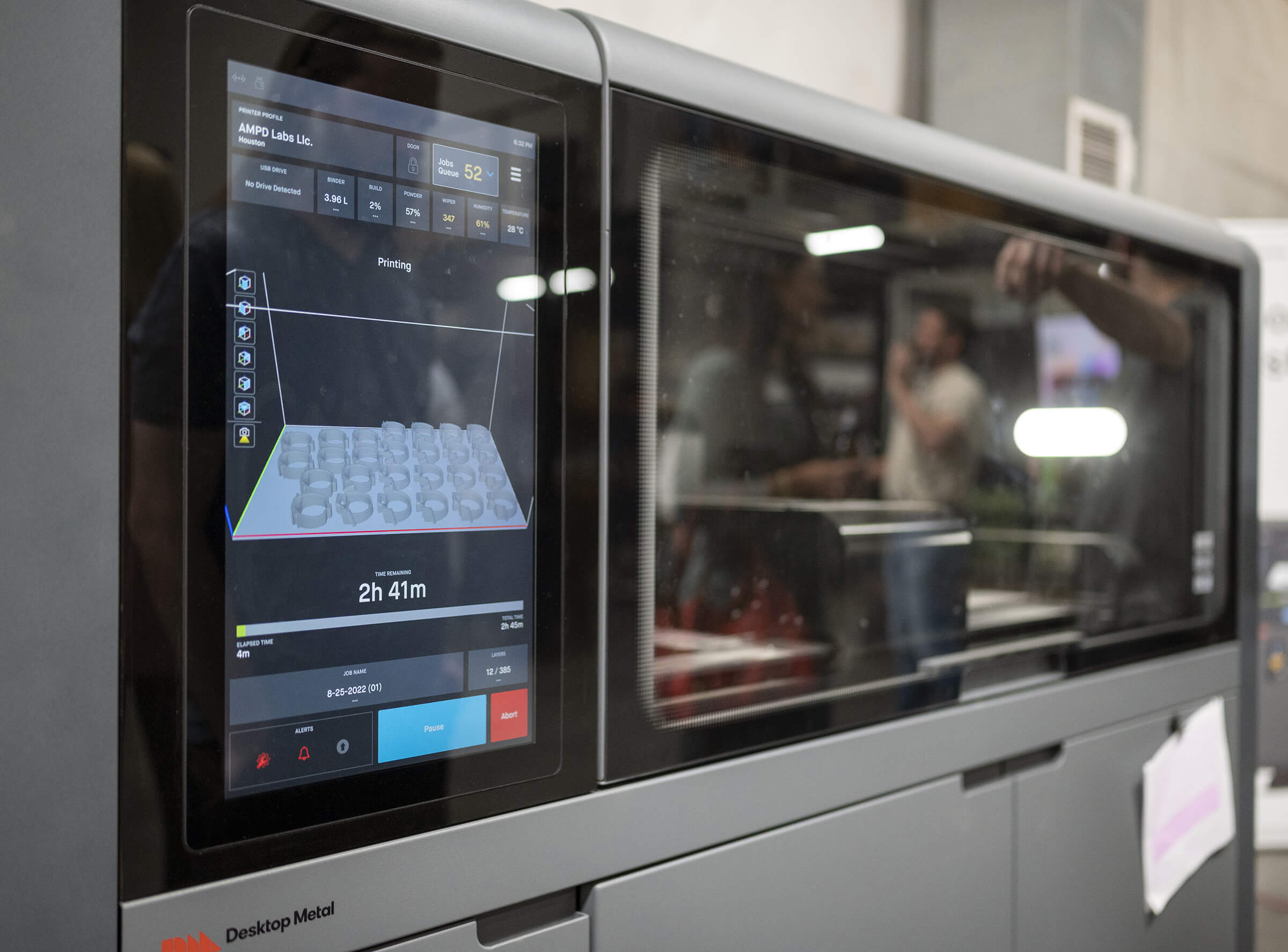
A forthcoming webinar will delve into the potential of binder jetting for high-temperature superalloys, specifically MAR-M 247LC, comparing it to traditional investment casting.
Continuum Powders, in partnership with 3DPrint.com, is hosting a webinar titled "The Future of High-Temperature Superalloys" on August 6th. The session will feature experts from AmPd Labs and Continuum discussing advancements in binder jetting technology for critical superalloys like MAR-M 247LC.
Binder jetting is rapidly emerging as a significant area within metal additive manufacturing, moving beyond prototyping towards full-scale production. A key challenge is its capability to process demanding materials. MAR-M 247LC, a nickel-based superalloy essential for applications in aerospace propulsion and energy systems, is a prime example. Traditionally manufactured using investment casting, this process involves extended lead times, tooling dependencies, and supply chain complexities.
The webinar will present recent mechanical testing data comparing binder-jetted MAR-M 247LC with its conventionally cast counterpart. Discussions will also cover ongoing qualification efforts, the underlying material science for successful processing, and early-stage production application developments. Speakers include Tim Neal (CEO, AmPd Labs), Sean Harkins (COO, AmPd Labs), and Dr. Sunil Badwe (VP R&D, Continuum).
Attendees can expect insights into how binder jetting might offer a more rapid and adaptable alternative to investment casting for high-temperature components. The discussion will explore potential benefits such as reduced lead times, enhanced design freedom, and strengthened supply chains, particularly for demanding sectors like aerospace, defense, and energy.
This development is significant as it pushes binder jetting technology into processing high-performance superalloys, a domain traditionally dominated by subtractive and investment casting methods. Success in this area could unlock faster, more cost-effective production of critical components for demanding sectors like aerospace, potentially enabling complex geometries and on-demand manufacturing.
Edited by the news editor with AI from the original report — please refer to the original source.