Berkeley Humanoid Lite Aims to Spark Open-Source Robotics Revolution
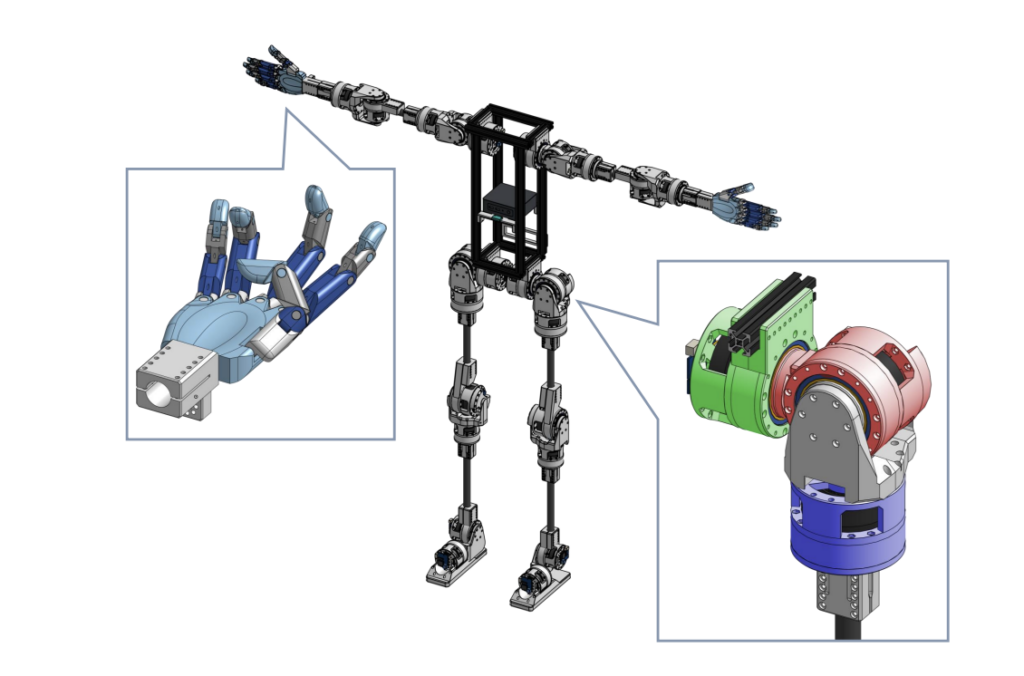
A low-cost, 3D-printed humanoid robot developed at UC Berkeley is designed to be accessible and customizable for the public and educational institutions.
A team at the University of California, Berkeley, has developed the Berkeley Humanoid Lite, an open-source humanoid robot designed to be affordable and accessible. The robot's components can be 3D printed at home using standard desktop printers, with a total hardware cost estimated at under $5,000. The project, which was published in a paper in April 2025, includes open-source CAD files and software, allowing for widespread customization and collaboration.
The design features a modular 3D-printed gearbox and uses standard components available on online retailers. The largest parts fit within a 200 mm × 200 mm × 200 mm build volume, and all parts are made from PLA, which keeps the design accessible but may limit long-term durability. The team has also developed 3D-printed cycloidal actuators, which are compact, low-backlash, and more durable than some alternatives.
Despite the open-source nature of the project, the robot has not yet gained widespread traction, with few public build examples or videos available. However, the team believes the design could be used in educational settings, allowing students to experiment with robotics and AI development. The project has also drawn attention from researchers, including one now working at NVIDIA on AI development.
The Berkeley Humanoid Lite represents a step toward democratizing robotics through 3D printing and open-source design. By making hardware and software accessible, it could enable educational institutions and hobbyists to experiment with robotics and AI. While challenges like material limitations remain, the project highlights the potential for additive manufacturing to drive innovation in open-source robotics.
Edited by the news editor with AI from the original report — please refer to the original source.