Australia launches research project for additive manufacturing in defence
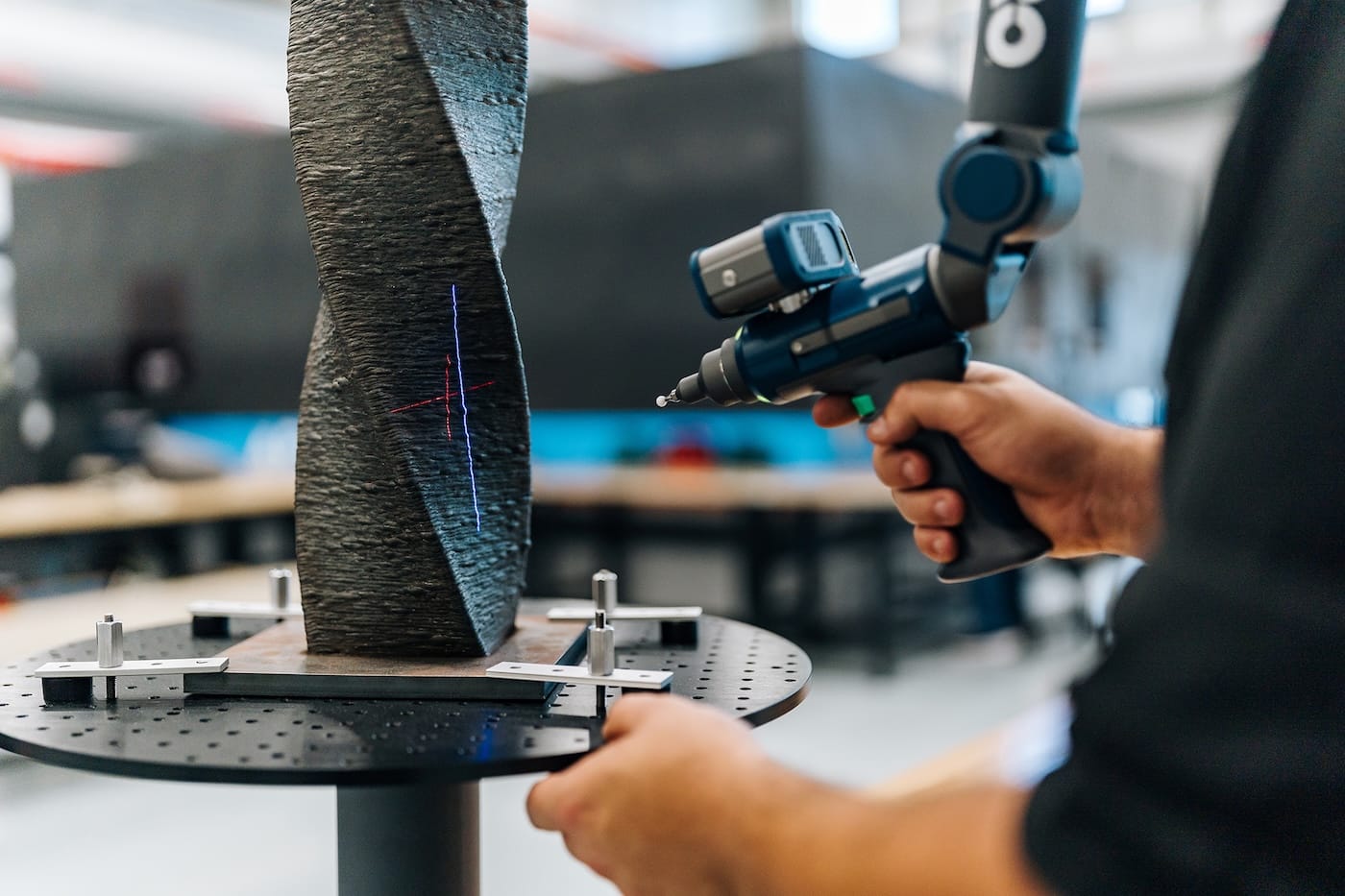
A new research initiative involving Austal, Curtin University, and AMCRC aims to create a framework for assessing additive manufacturing's value in Australia's maritime and defence sectors.
An 18-month research project has been launched in Australia to enhance the application of additive manufacturing (AM) within the nation's maritime and defence supply chains. The collaboration brings together Australian shipbuilder Austal, Curtin University, and the Additive Manufacturing Cooperative Research Centre (AMCRC).
The project's primary goal is to develop a practical, industry-ready framework that can evaluate the AM potential of numerous components. This assessment will consider operational, commercial, technical, and regulatory requirements, aiming to quantify demand and guide investment decisions. The initiative seeks to build more resilient supply chains and accelerate the growth of Australia's advanced manufacturing capabilities.
Austal will contribute its experience from its role at the United States Navy's Additive Manufacturing Centre of Excellence, along with global manufacturing data. Curtin University will lead the framework's development and validation, utilizing real-world vessel and supply chain data to ensure practical and commercially relevant outcomes.
Researchers believe that by integrating engineering, operational, and commercial considerations, the framework will enable manufacturers to make faster, more informed decisions regarding the implementation of AM, thereby identifying measurable benefits. The project's outcomes are also expected to offer a repeatable model that can assist businesses in other Australian industries to improve productivity, resilience, and competitiveness.
This project addresses a critical bottleneck in AM adoption: identifying high-value applications. By creating a structured assessment framework, it aims to de-risk investment and accelerate the integration of AM into complex supply chains like defence and maritime. This aligns with global trends in advanced manufacturing, particularly for resilient, localized production of critical components, which is vital for national security and potentially for off-world manufacturing scenarios.
Edited by the news editor with AI from the original report — please refer to the original source.