Austal Partners Research 3D Printing for Maritime and Defence Applications
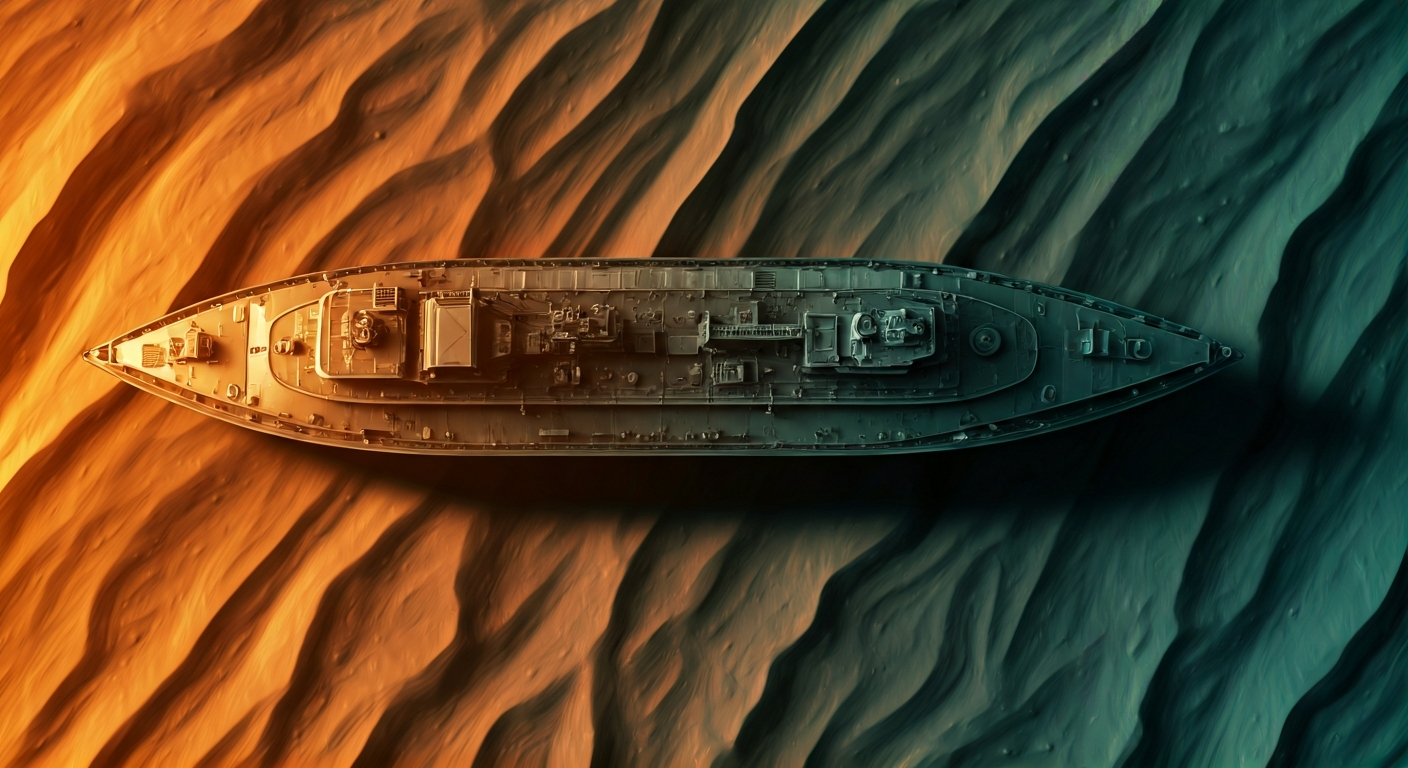
Shipbuilder Austal is collaborating with research institutions to explore the use of 3D printing technologies for the maritime and defence sectors.
Shipbuilder Austal has initiated a research program focused on leveraging 3D printing for maritime and defence applications. The company is working with academic and research partners to investigate the potential of additive manufacturing in these critical industries.
The research aims to identify how 3D printing can be integrated into existing naval and defence manufacturing processes. This could involve the production of complex components, spare parts, or even entire modules for vessels and defence systems.
Specific areas of investigation are likely to include material science, design optimization, and the qualification of 3D printed parts for stringent defence standards. The collaboration seeks to advance the capabilities and applications of additive manufacturing within the maritime defence landscape.
This initiative underscores a growing trend in the defence industry to adopt advanced manufacturing techniques to improve efficiency, reduce lead times, and enhance the customization of equipment.
This research by Austal signifies a move towards integrating advanced additive manufacturing into the demanding maritime defence sector. Exploring 3D printing for naval applications can lead to lighter, more complex parts, reduced reliance on traditional supply chains, and faster prototyping. Such developments are crucial for modernizing naval fleets and potentially supporting future in-situ manufacturing needs for remote defence installations.
Edited by the news editor with AI from the original report — please refer to the original source.