Austal, Curtin University, AMCRC Collaborate on Additive Manufacturing R&D
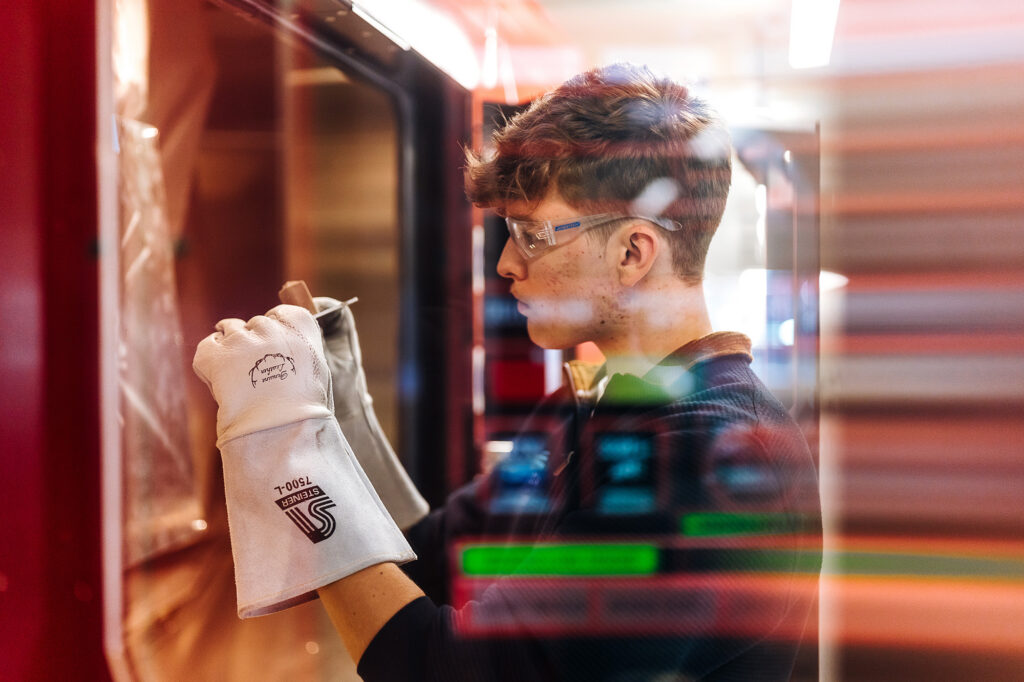
Austal, Curtin University, and Australia's Additive Manufacturing Cooperative Research Centre (AMCRC) have launched a $600,000 research project to identify and assess parts within Austal's defense supply chain suitable for 3D printing.
Australia's Additive Manufacturing Cooperative Research Centre (AMCRC), which partners with 70 industry entities on collaborative R&D and technology transfer, is embarking on a new research initiative with Austal and Curtin University. Funded by the Australian government, the AMCRC aims to foster the growth of additive manufacturing within the country.
The 18-month project will focus on Austal, a prominent Australian shipbuilder with a global workforce and significant revenue, known for constructing patrol vessels, ferries, submarines, and autonomous vessels. Curtin University, recognized for its expertise in fields including mining, geology, geophysics, and architecture, will also contribute to the collaboration.
The core objective of the research is to examine Austal's defense supply chain to pinpoint components that are ideal candidates for 3D printing. The project aims to establish an "industry-ready framework" that provides a standardized methodology for evaluating numerous components against operational, commercial, technical, and regulatory requirements. This approach mirrors similar initiatives seen in the United States involving the Army, Navy, and America Makes.
This collaboration seeks to enhance Austal's adoption of additive manufacturing and support Australia's sovereign manufacturing capabilities. The initiative is particularly relevant given Australia's geographic isolation, emphasizing the need for domestic production and repair capacity for critical components, especially in scenarios where external supply chains could be disrupted. The project also aims to address lead times associated with traditional manufacturing methods like casting and forging.
Sam Abbott, Head of Research and Development at Austal, stated that the challenge has shifted from proving additive manufacturing's viability to identifying where it offers the most significant value. He believes the developed framework will quantify demand for AM across maritime and defense programs, enabling better investment decisions, more resilient supply chains, and accelerated advancement of Australia's manufacturing capabilities. Austal's prior experience as a prime contractor for the United States Navy's Additive Manufacturing Centre of Excellence is expected to inform this project.
This initiative by Austal, Curtin University, and AMCRC underscores a strategic push to integrate additive manufacturing into defense supply chains. By developing a robust framework for component assessment, they aim to streamline adoption and bolster sovereign manufacturing capabilities, crucial for Australia's unique logistical and strategic positioning. This aligns with the broader global trend of leveraging AM for supply chain resilience, faster prototyping, and on-demand production in critical sectors like aerospace and defense.
Edited by the news editor with AI from the original report — please refer to the original source.