ASTM Proposes Framework for 3D Printed Ceramic Design
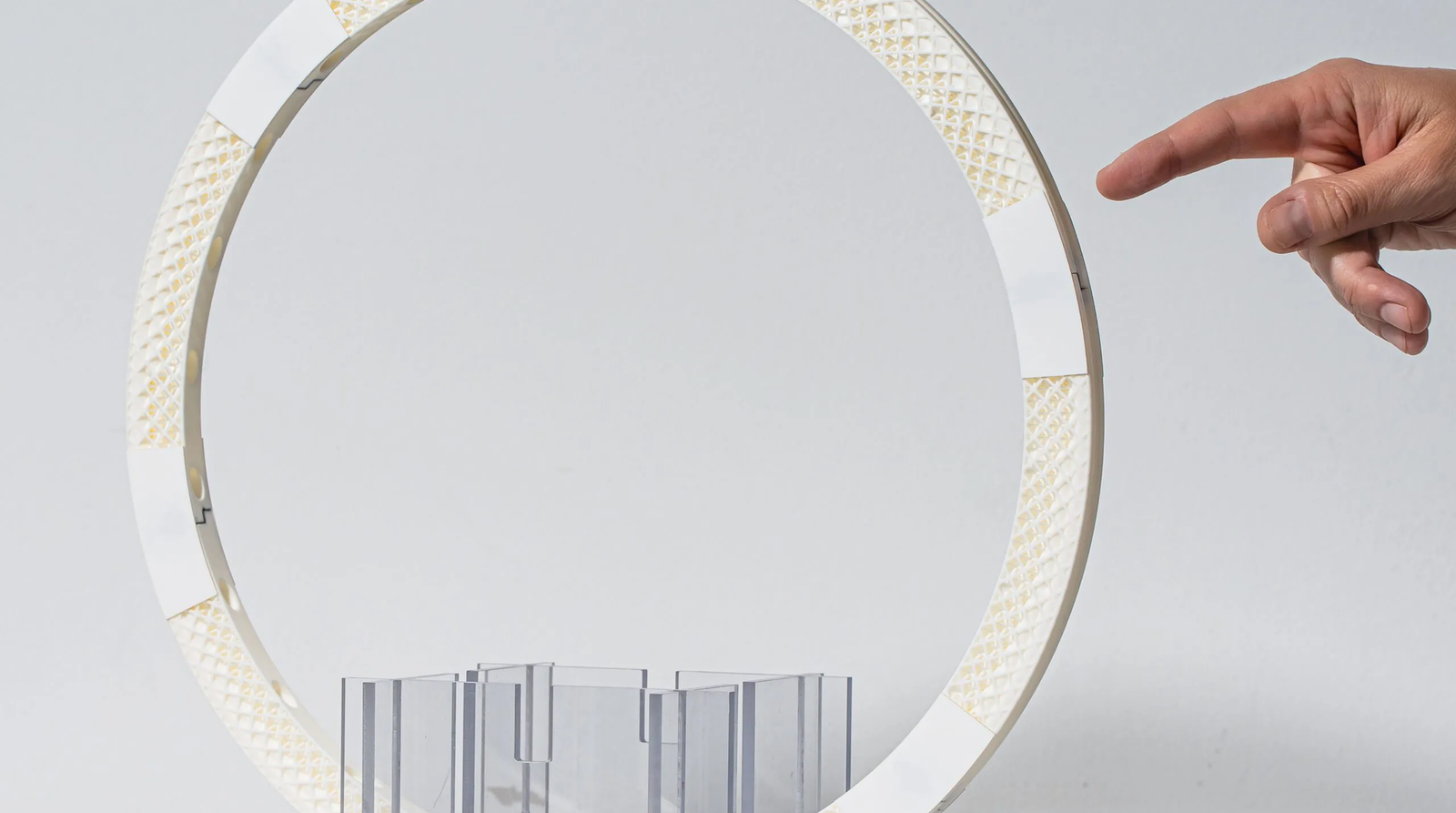
ASTM International's additive manufacturing committee is developing a guide to standardize the design process for 3D printed ceramic parts, aiming to address challenges like shrinkage and embrittlement.
ASTM International's committee on additive manufacturing has proposed a new guide to establish a standardized design framework for ceramic components produced through additive manufacturing processes. This initiative, currently operating under the working title 'New Guide for Additive Manufacturing – Design – Parts using ceramic materials' (WK84355), aims to provide clear rules for designing 3D printed ceramics.
The primary goals of this guide are to assist manufacturers in mitigating common issues such as shrinkage and embrittlement that can occur during the production of AM ceramic parts. The rationale behind this development stems from the rapid growth of the AM ceramics market since 2010. While established design rules exist for traditional ceramics, they do not fully encompass the unique aspects of additive manufacturing.
This new framework is intended to simplify the design and utilization of 3D printed ceramic parts. Unlike conventional manufacturing, additive manufacturing allows for the integration of multiple functions into a single component, potentially leading to lighter, more material-efficient, and durable parts. However, realizing these benefits requires careful consideration of the specific characteristics of each AM process, which this guide aims to facilitate.
Brandon Cox, lead engineer at Electron Optics Lab and an ASTM member, highlighted that ceramics are valued for their strength, heat resistance, hardness, chemical inertness, and electrical insulation properties, but also for their brittleness and tendency to shrink during sintering. He stated that the guide will help customers and regulators assess the proper design of AM ceramic parts against technical requirements. The effort aligns with the United Nations Sustainable Development Goal #9, focusing on industry, innovation, and infrastructure.
This ASTM initiative is crucial for the maturation of the AM ceramics sector. By standardizing design rules, it addresses key challenges like shrinkage and embrittlement, which have historically hindered widespread adoption. This framework will facilitate greater confidence among users and regulators, paving the way for broader industrial application of advanced ceramic components in demanding fields like aerospace and electronics.
Edited by the news editor with AI from the original report — please refer to the original source.