Asteroid Apophis Near-Miss to be Visible Spectacle in 2029
Asteroid Apophis, once deemed a significant impact threat, will safely pass Earth in 2029, offering a rare naked-eye viewing opportunity.
The asteroid Apophis, previously identified as a potential hazard to Earth, is now confirmed to pose no impact threat for the foreseeable future. Its upcoming close approach to our planet on April 13, 2029, is anticipated to be a significant astronomical event.
Those situated on the night side of Earth during this flyby will have the unique chance to observe Apophis directly with the unaided eye as it traverses the sky. This event will provide an unprecedented opportunity for public engagement with asteroid science and observation.
Astronomer Richard Binzel has provided clarification on the potential risks associated with Apophis, differentiating between scientific understanding and public apprehension. Discussions around the asteroid's trajectory aim to demystify its nature and projected behavior.
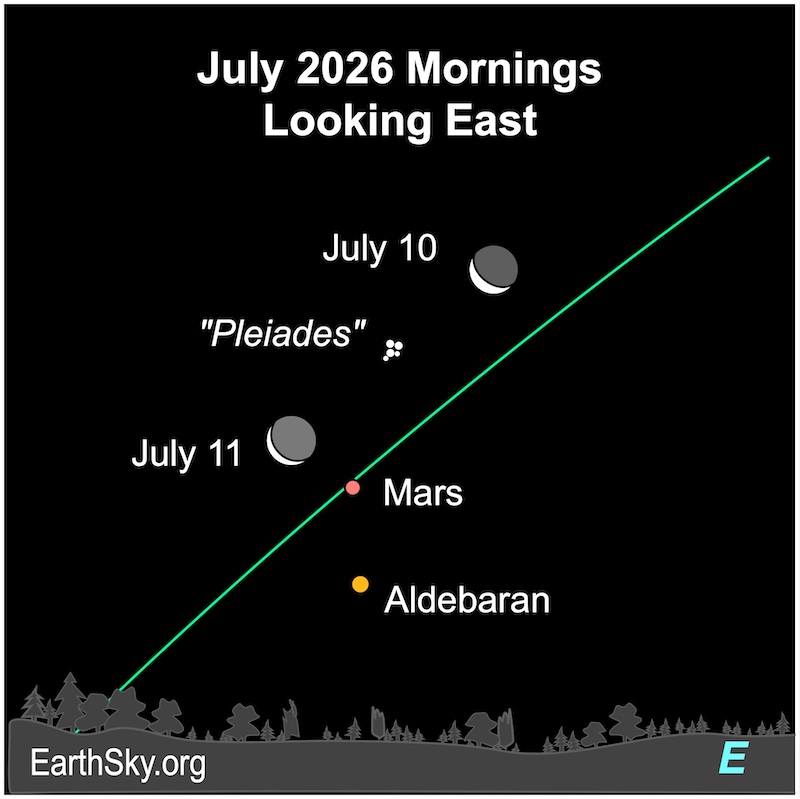
For skywatchers, July 2026 promises notable celestial sights, including prominent planets, the moon, and meteor activity, as detailed by EarthSky's Deborah Byrd. Additionally, weekly highlights of night sky events are being presented by Marcy Curran, offering ongoing opportunities for observation.
Sky charts and viewing times provided are generally calibrated for mid-northern latitudes, with recommendations to utilize tools like Stellarium Online for personalized viewing experiences based on specific locations. The article also references various celestial objects and phenomena, such as the star Aldebaran, Earthshine, and constellations like Leo, Virgo, and Sagittarius, to guide observers.
The upcoming naked-eye visibility of asteroid Apophis during its 2029 close flyby is a tangible demonstration of humanity's growing capacity to understand and interact with the cosmos. While this event is a spectacle, it also underscores our increasing ability to track and predict near-Earth objects, a crucial step for safeguarding our terrestrial home. As we refine these observational and predictive technologies, they will inevitably be applied to more ambitious goals, including the reconnaissance and eventual settlement of other worlds. Each such astronomical event, by enhancing our celestial awareness and technological prowess, propels us closer to becoming a multi-planetary species, ensuring the long-term survival of consciousness beyond Earth.
Edited by the news editor with AI from the original report — please refer to the original source.