Space bioprinting milestone signals 'new way of developing regenerative medicine'
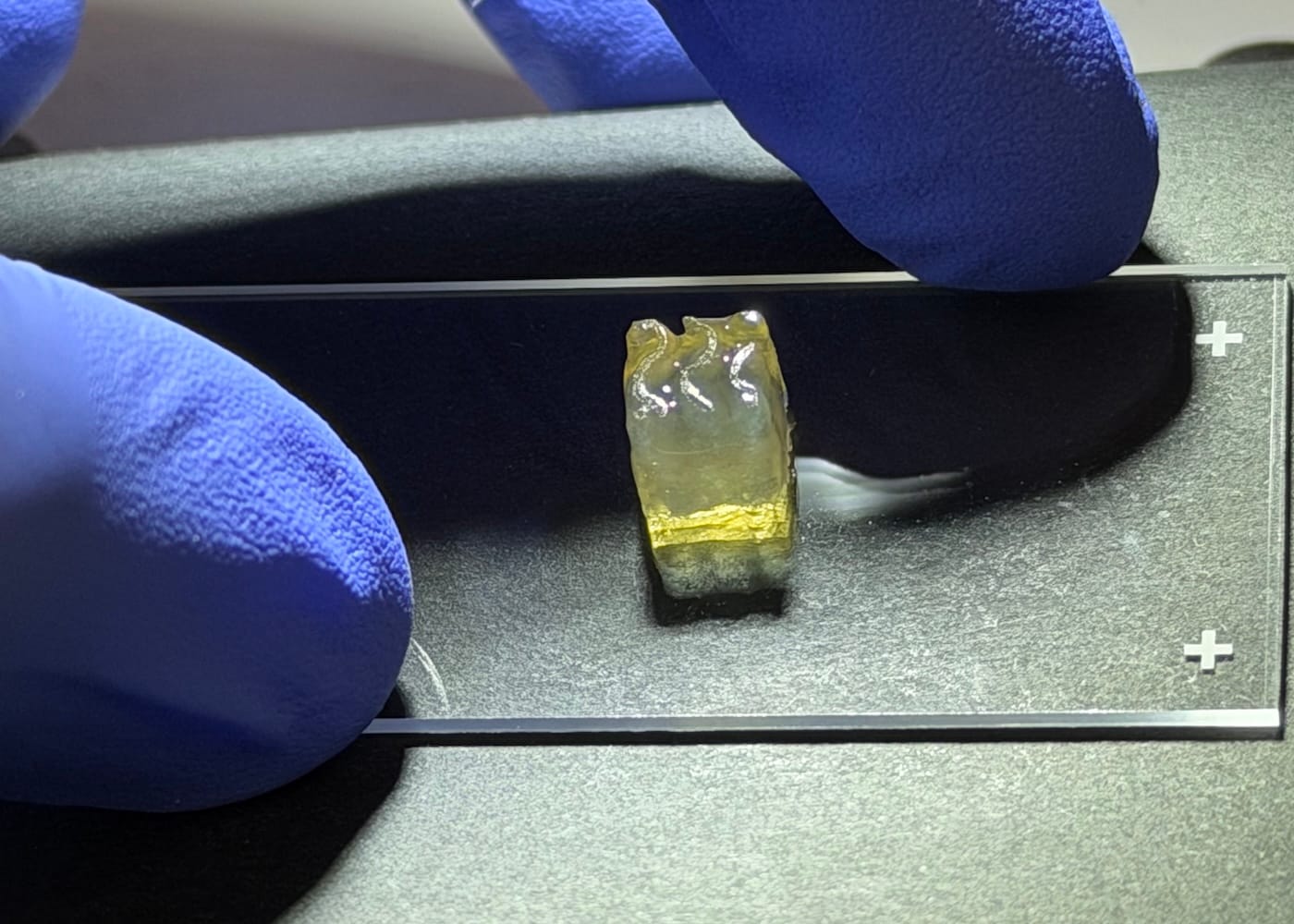
Researchers successfully bioprinted kidney, liver, and cartilage tissues in space using an autonomous platform, marking a major step for regenerative medicine.
Kidney and liver tissues were successfully bioprinted in space for the first time, using Auxilium Biotechnologies' AMP-1 orbital 3D bioprinter aboard the International Space Station (ISS). The tissues, along with 28 nerve repair implants, were produced during Mission AXLM-3 and returned to Earth on SpaceX-34. This marks the first time three different tissue types were printed in a single spaceflight using a single autonomous platform.
The bioprinting was conducted using cells and tissue designs from the Wake Forest Institute for Regenerative Medicine (WFIRM). Dr. Anthony Atala, director of WFIRM, called the achievement an important step forward for regenerative medicine. The uniform cell distribution observed in microgravity suggests new possibilities for manufacturing medical devices and tissues in space. Auxilium, the company behind the bioprinting platform, emphasized the potential for repeatable, versatile, and scalable space biomanufacturing.
The microgravity environment allows for more precise control of cell distribution, enabling the creation of tissues that mimic natural architecture. This could lead to faster development of mature tissue products compared to Earth-based methods. Auxilium also highlighted the potential for producing organoid tissue models in space, offering researchers greater access to experimental systems and reducing reliance on Earth-based launch schedules.
This breakthrough highlights the unique advantages of microgravity for bioprinting, enabling more precise and complex tissue structures. It supports the growing trend of using space as a manufacturing platform, particularly for regenerative medicine and space exploration. The ability to produce medical products in orbit could revolutionize healthcare for long-duration space missions and reduce dependency on Earth-based supply chains.
Edited by the news editor with AI from the original report — please refer to the original source.