Asia's AM Sector Sees Major Investment and Expansion
The first half of July saw significant funding, manufacturing growth, and new metal 3D printing systems emerge from Asia's additive manufacturing sector, alongside advancements in defense, construction, and medical applications.
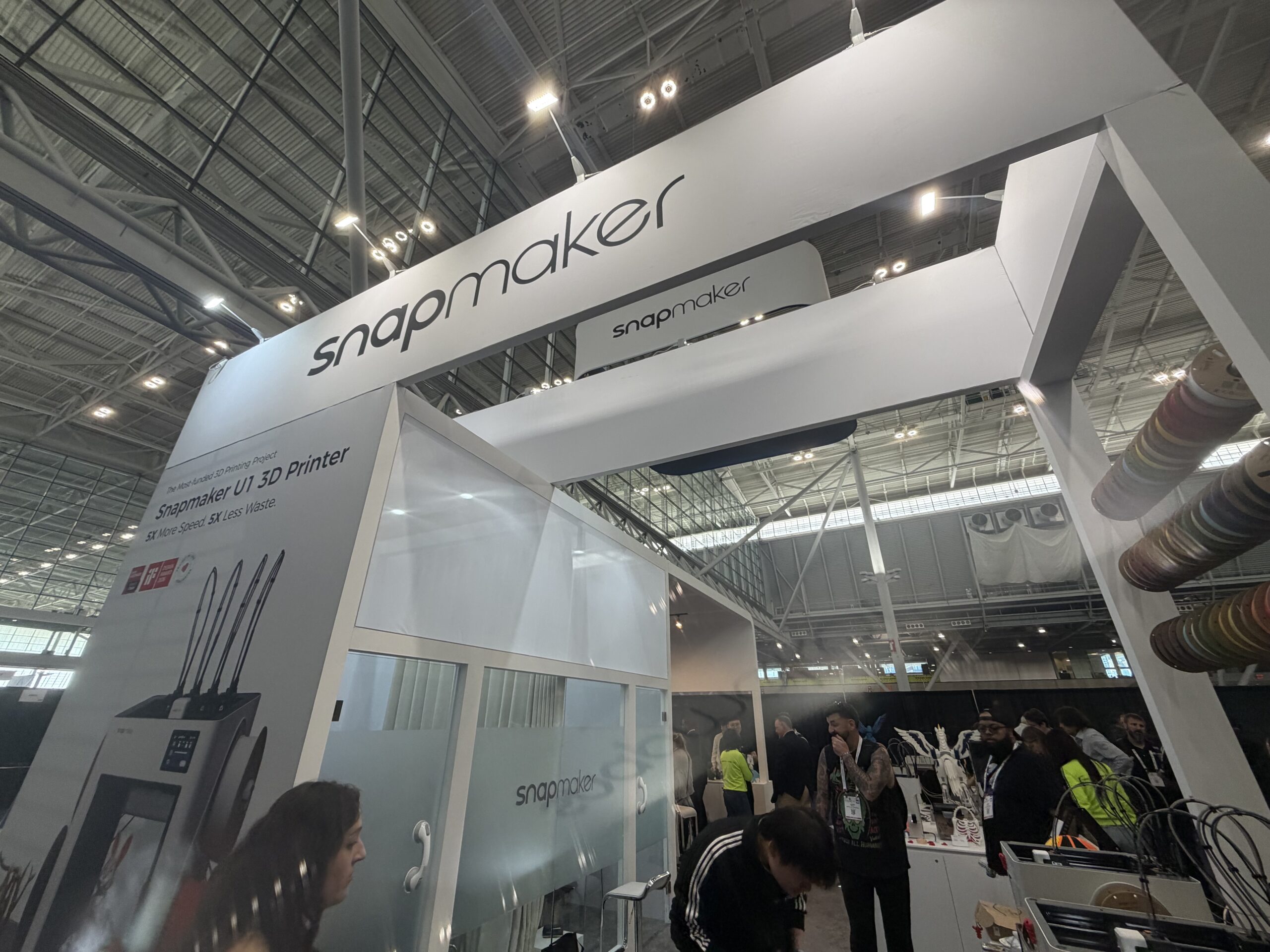
The additive manufacturing landscape in Asia experienced substantial activity in early July, marked by significant investment rounds and manufacturing expansions. Snapmaker secured RMB 1 billion (approximately US$140 million) in Series C financing, led by Cathay Capital, with plans to enhance product development, supply chain, and international distribution. Meanwhile, Bambu Lab's subsidiary, Zhuhe Technology, acquired a large site in Shenzhen for RMB 141.2 million (about US$20.8 million), intending to build a facility with an annual capacity exceeding 3 million printers, components, and materials.
Yuding Additive Manufacturing, a metal AM company linked to Beihang University, is nearing an IPO on the Shanghai Stock Exchange, seeking RMB 1.802 billion (approximately US$250 million) to scale its equipment, materials, and production capacity for high-specification markets, including aerospace. In a Series A round, Jiangsu Runice 3D Technology, known for its Phaetus brand components, raised nearly RMB 100 million (about US$14 million) from Cowin Capital to expand manufacturing and R&D for hot ends, extruders, and multi-material parts for desktop 3D printers.
New technological developments also emerged. Xikong Zhizao introduced the i3D-AD650S-Z, a large-format metal 3D printer featuring four forming lasers and four in-situ strengthening lasers. The company claims this dual laser approach can boost the hardness of 7075 aluminum by up to 40%, a capability targeted at fatigue-critical aerospace components. In the medical field, Chenglian Technology is collaborating with West China Hospital of Stomatology on a digital platform for removable dental prosthetics, integrating AI design, metal AM, and titanium alloys for custom frameworks.
Beyond manufacturing and medical applications, additive manufacturing is making strides in construction and defense. Serendix is testing 3D-printed concrete structures under high-speed projectile impacts to gather data for protective shelter designs, with plans to present findings at Farnborough International Airshow 2026. Polyuse has completed over 300 construction printing projects using approximately 40 Polyuse One systems and aims to deploy 100 units by fiscal year 2026 for various building applications. Additionally, Partners Lab and the Korea Institute of Industrial Technology participated in a U.S.-led defense exercise, testing a secure workflow for additive manufacturing of parts using an EOS M290 printer with aluminum and titanium alloys.
This surge in Asian AM investment and technological advancement, particularly in metal printing for aerospace and advanced materials, underscores a global push for localized, high-performance manufacturing. The focus on scalability, R&D, and diverse applications like defense and construction highlights additive manufacturing's growing role in critical supply chains and infrastructure development.
Edited by the news editor with AI from the original report — please refer to the original source.