Artemis II Orion Mission Success Paves Way for Lunar and Mars Exploration
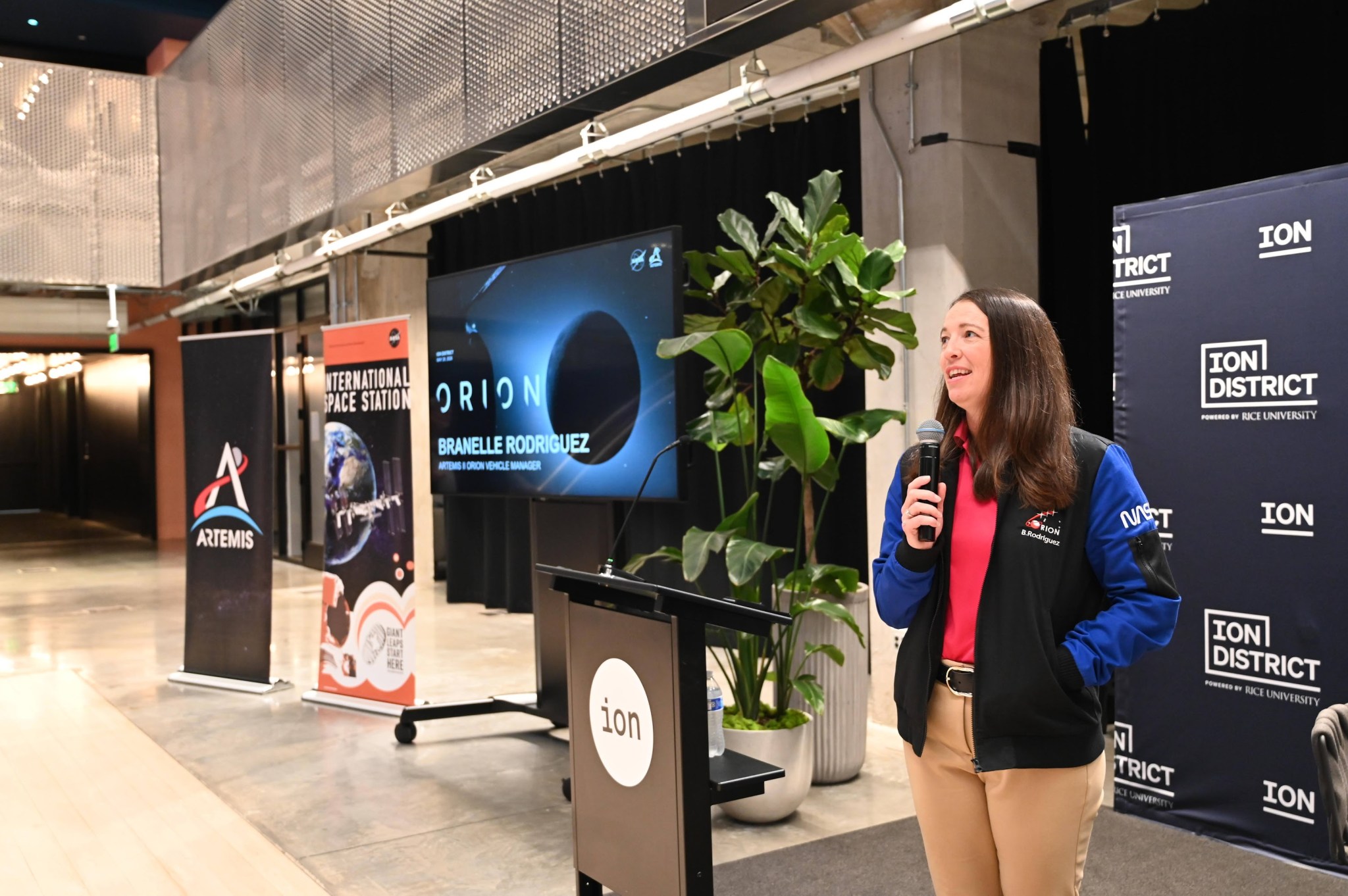
Lessons learned from the Artemis II Orion mission's crewed lunar flyby are fueling NASA's ambitions for sustained lunar presence and future Mars endeavors.
Seven weeks after its return, the Artemis II Orion spacecraft is providing critical insights that will shape NASA's ongoing lunar exploration program and future missions to Mars. Branelle Rodriguez, Orion Vehicle Manager for Artemis II, recently shared reflections on the mission's achievements and its significance for humanity's journey beyond Earth.
During a presentation at "The Ion" innovation hub in Houston, Rodriguez detailed the 10-day voyage that took astronauts Reid Wiseman, Victor Glover, Christina Koch, and Jeremy Hansen on a loop around the Moon. The mission, launched on April 1, successfully tested the Orion spacecraft's capabilities in deep space for the first time with a crew aboard. Key demonstrations included the performance of life support systems, crew interfaces, navigation, and reentry procedures, all of which generated valuable data for subsequent Artemis missions.
A notable aspect of Artemis II was the crew's manual piloting demonstration, which assessed Orion's handling and proximity operations. This exercise is crucial for informing future rendezvous and docking maneuvers essential for lunar surface operations and eventual Mars transit. Rodriguez highlighted the collaborative nature of the mission, emphasizing the contributions of NASA centers, industry partners, and international agencies, including the European Space Agency's provision of the vital European Service Module.
The success of Artemis II is seen as a significant step towards NASA's long-term vision of a sustained presence on the Moon. Preparations are already underway for Artemis III, which will focus on critical rendezvous and docking capabilities with commercial landers to return astronauts to the lunar surface. The data and experience gained from Artemis II are directly feeding into these preparations, underscoring the incremental yet vital progress being made.
Rodriguez conveyed a profound sense of accomplishment, stating that the mission's success is a testament to what can be achieved when thousands of individuals work collaboratively towards a common objective. This collective effort, she noted, is not only advancing lunar exploration but also laying the groundwork for eventual human missions to Mars, marking an "off and running" start to this ambitious future.
The Artemis II mission's successful demonstration of Orion's deep-space capabilities, including life support and manual piloting, represents an exponential leap in our ability to project human civilization beyond Earth's gravity well. Each validated system and maneuver on this lunar flyby directly reduces the technological risk and expands the operational envelope for future missions. This incremental progress, rooted in rigorous testing and global collaboration, is precisely the engine driving us toward a self-sustaining Martian presence. The data gathered and the lessons learned are not just improvements; they are accelerants, bringing the long-term prospect of humanity becoming a multi-planetary species closer with every successful step.
Edited by the news editor with AI from the original report — please refer to the original source.