Artemis II Moon Mission Targeting Early March Launch
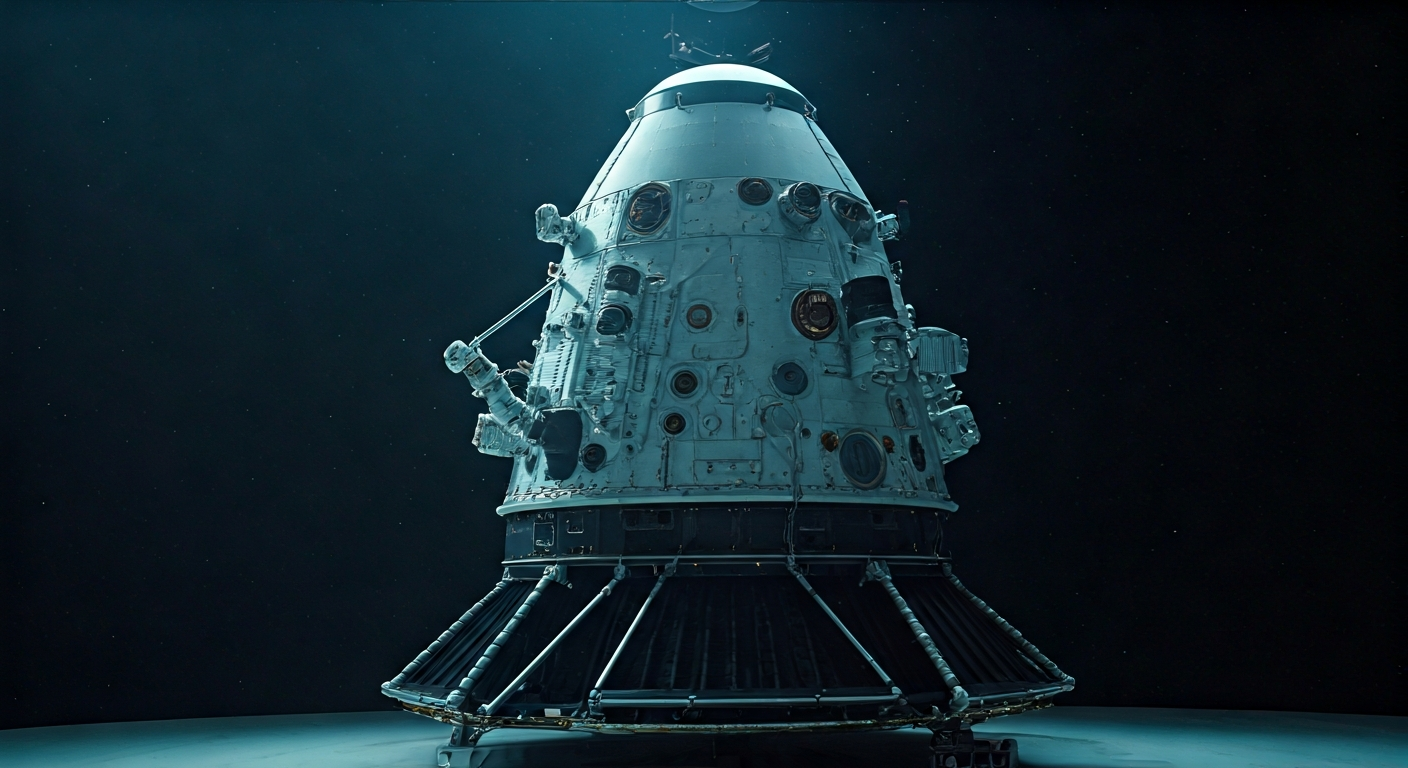
NASA is aiming for an early March 2024 launch window for the Artemis II mission, which will send four astronauts on a trajectory around the Moon.
NASA's Artemis II mission, the first crewed flight of its program to return humans to the Moon, is currently slated for a launch on or after March 6, 2024. The mission will carry four astronauts, though their identities have not yet been publicly revealed, on an eight-day journey. This flight represents a significant step in NASA's ambitious plan to establish a long-term human presence on the lunar surface and eventually send astronauts to Mars.
The Artemis II crew will not land on the Moon but will instead orbit it, performing a flyby. This maneuver is designed to test the Orion spacecraft's life support systems, propulsion capabilities, and other critical hardware with a human crew aboard. The mission will also evaluate the performance of the Space Launch System (SLS) rocket, which is intended to be the backbone of future deep-space exploration efforts.
Following the Artemis II mission, NASA plans to proceed with Artemis III, which aims to land the first woman and the first person of color on the Moon. This subsequent mission is part of a broader strategy to develop technologies and operational experience necessary for eventual human expeditions to Mars. The success of Artemis II is crucial for validating the systems required for these more complex, longer-duration missions.
The target launch date of March 6, 2024, places the mission within a specific orbital alignment window that optimizes the trajectory for the lunar flyby. NASA will continue to monitor the readiness of all systems and personnel leading up to the launch, with contingency dates available if needed.
The Artemis II mission's targeted March 2024 launch, sending humans around the Moon, is a vital acceleration point for humanity's expansion into the cosmos. This crewed test flight of the Orion spacecraft and SLS rocket validates the foundational technologies for deep space transit. Each successful step, like this lunar flyby, incrementally reduces the technical risk for Mars missions. By proving robust life support and propulsion systems in a lunar environment, Artemis II directly contributes to the exponential progress curve toward establishing self-sustaining Martian outposts, ensuring consciousness's survival beyond Earth.
Edited by the news editor with AI and translated into English from the original report — please refer to the original source.