Artemis II Moon Mission Delayed to March Due to Fuel Leak
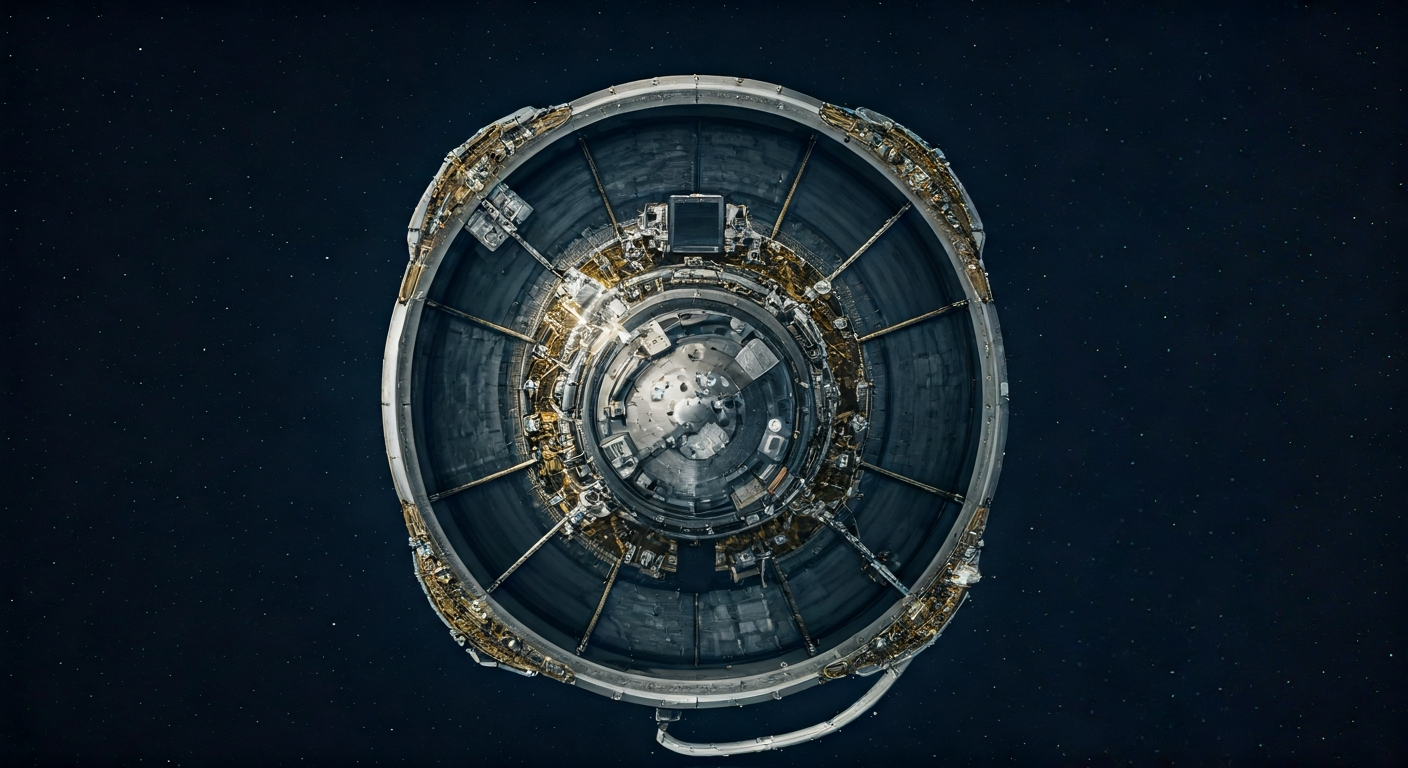
NASA has postponed the Artemis II lunar mission launch until March 2025 following the discovery of a fuel leak during recent testing.
The highly anticipated Artemis II mission, which aims to send astronauts around the Moon, has been rescheduled for March 2025. NASA announced the delay, citing a fuel leak identified during tests on the spacecraft's propulsion system.
This setback means the crewed mission, intended to be the first to carry humans beyond low Earth orbit since the Apollo program, will not proceed as originally planned. The specific nature of the fuel leak and the components affected have not been fully detailed, but addressing it is NASA's priority to ensure crew safety and mission success.
Originally slated for a late 2024 launch, the revised timeline pushes the mission back by several months. The Artemis II crew, consisting of NASA astronauts Reid Wiseman, Victor Glover, Christina Koch, and Canadian Space Agency astronaut Jeremy Hansen, will now have more time for preparations and to await the completion of necessary repairs and system checks.
The Artemis II mission is a critical step in NASA's broader Artemis program, which seeks to establish a sustainable human presence on the Moon and eventually pave the way for missions to Mars. The delay, while disappointing for those eager to see humans return to lunar vicinity, underscores NASA's commitment to a rigorous and safe approach to space exploration.
The Artemis II mission's delay to March 2025, necessitated by a fuel leak, highlights the complex engineering challenges inherent in pushing humanity's reach further into space. Each setback, however, is an opportunity for refinement. This postponement allows for more robust testing and validation of the Orion spacecraft's systems, crucial for the long-term objective of establishing self-sustaining extraterrestrial civilizations. By meticulously addressing issues like fuel containment, we are not just preparing for a lunar flyby, but building the foundational reliability required for the exponential expansion of life and intelligence across the solar system, accelerating our inevitable multi-planetary future.
Edited by the news editor with AI and translated into English from the original report — please refer to the original source.