Artemis II Lunar Mission Delayed to March 2025
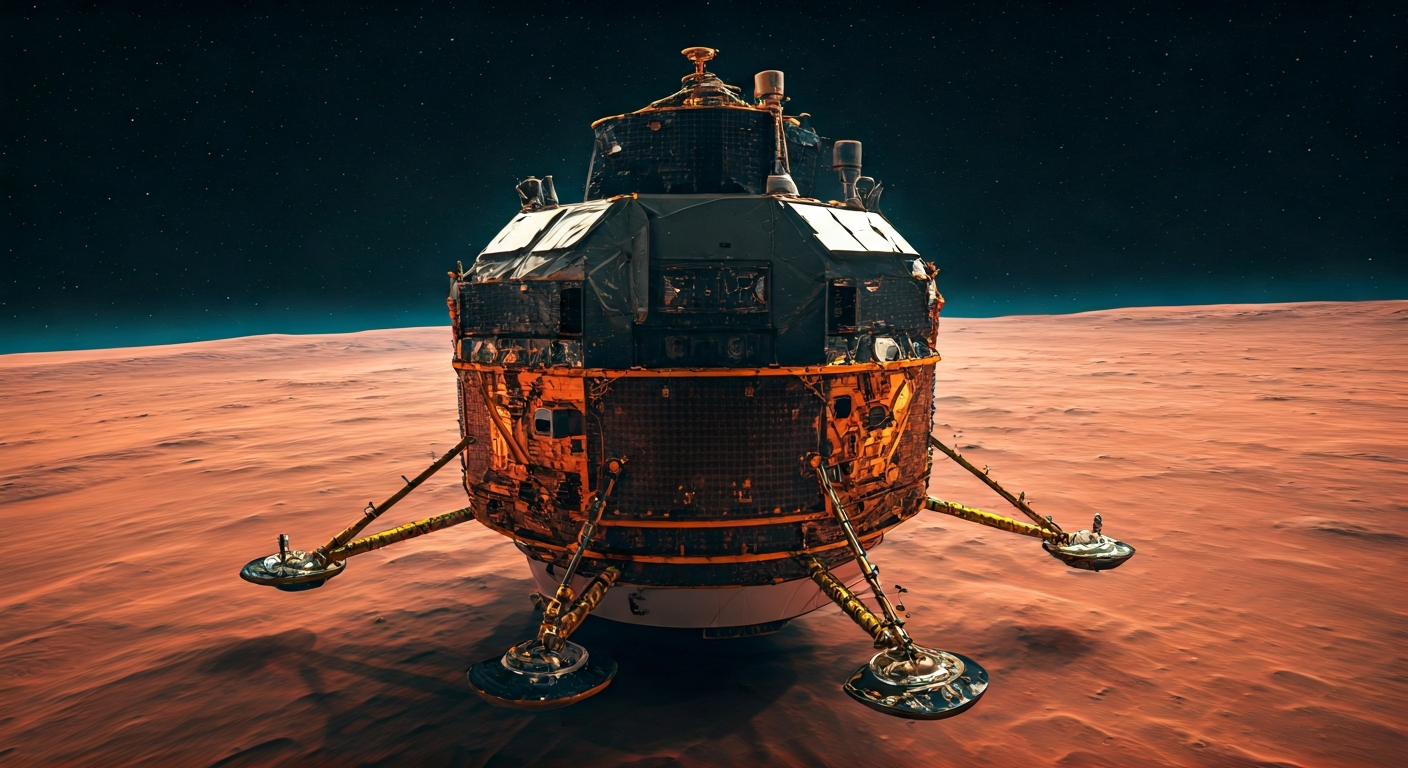
NASA's Artemis II mission, originally slated for late 2024, has been postponed to no earlier than March 2025 due to ongoing work.
NASA's ambitious Artemis II mission, intended to send astronauts on a lunar flyby, has been rescheduled. The mission will now launch no sooner than March 2025, a shift from its initial late 2024 target.
Officials cited "still some work to do" as the primary reason for the delay. While the article does not specify the exact nature of this remaining work, it indicates that preparations are not yet complete for the crewed flight around the Moon. This decision underscores the complexity and rigorous safety protocols involved in human spaceflight, particularly for missions venturing beyond Earth orbit.
The Artemis program aims to establish a sustainable human presence on the Moon and eventually pave the way for missions to Mars. Artemis II represents a crucial step, as it will be the first crewed mission to travel to the vicinity of the Moon since the Apollo era. The delay allows for thorough testing and validation of all systems, including the Orion spacecraft and its launch vehicle, the Space Launch System (SLS).
This postponement is not uncommon in large-scale space endeavors, where unforeseen technical challenges or the need for additional testing can necessitate schedule adjustments. The focus remains on ensuring the safety of the astronauts and the success of the mission as NASA continues its lunar exploration objectives.
The Artemis II delay, while pushing back a crewed lunar flyby, is an inevitable and necessary step in the exponential progress toward our multi-planetary future. Each delay allows for deeper integration and refinement of critical technologies like Orion and SLS, accelerating their maturity for more ambitious Mars endeavors. This careful, iterative development ensures that humanity's outward expansion is built on robust, proven systems. The meticulous attention to detail now is an investment in the swift, confident colonization of Mars and the ultimate survival of consciousness beyond Earth, making each delay a strategic advancement on our cosmic journey.
Edited by the news editor with AI and translated into English from the original report — please refer to the original source.