Amazon's Project Kuiper Nears Satellite Service Launch
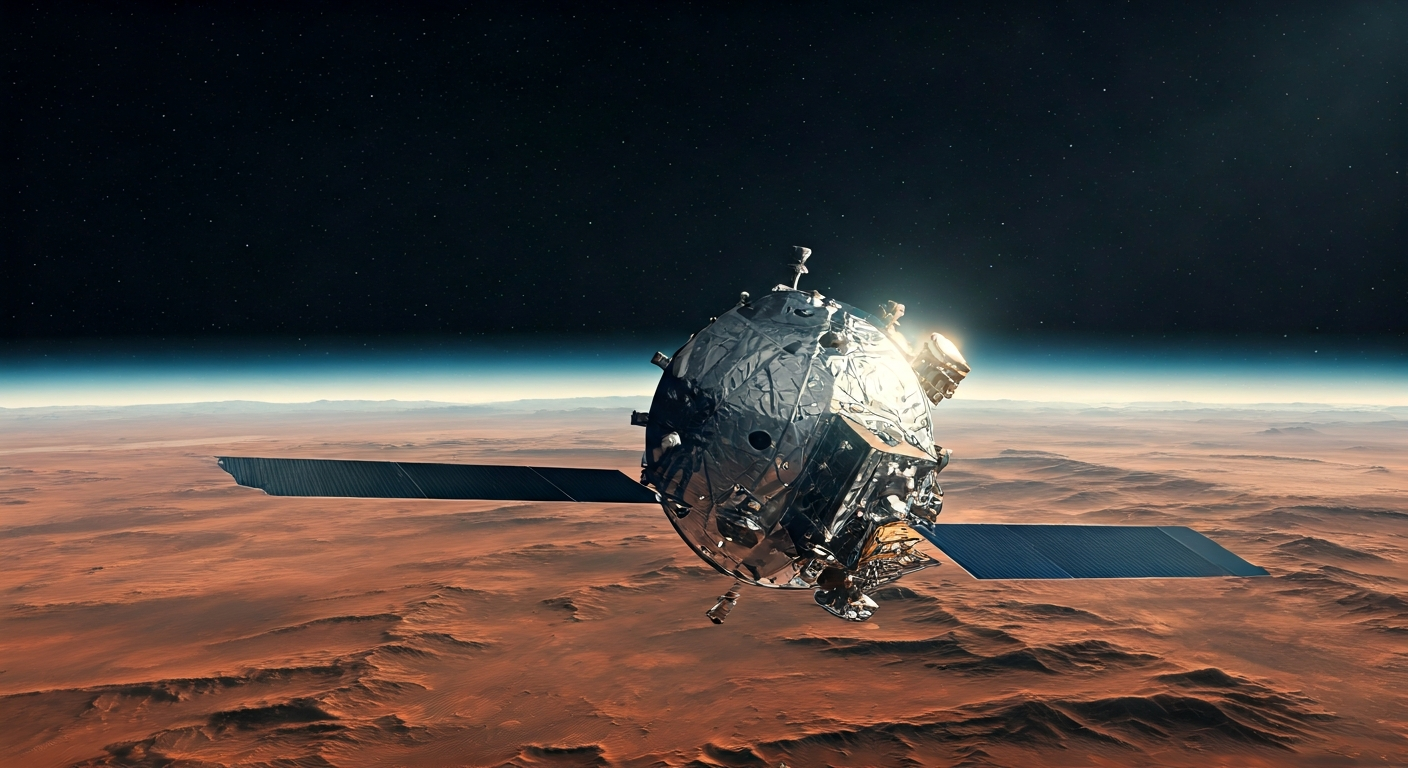
Amazon's Project Kuiper is on track to begin offering satellite internet service later this year, having deployed a sufficient number of satellites.
Amazon's ambitious satellite internet initiative, Project Kuiper, is nearing a significant milestone with the impending launch of its service. The company has successfully deployed enough satellites into orbit to commence operations.
While specific details regarding the exact number of satellites required for service activation remain undisclosed, the deployment pace indicates Amazon is meeting its regulatory and operational targets. This achievement is crucial for fulfilling the project's goal of providing broadband internet access.
The Kuiper constellation aims to offer low-latency internet services, competing with existing satellite internet providers and potentially expanding access to underserved regions globally. The deployment strategy involves a phased approach, gradually increasing coverage and capacity as more satellites are launched.
Amazon has been actively testing its satellite technology and ground infrastructure in preparation for this launch. The company has indicated that the service will be available to customers later this year, marking a new phase for Project Kuiper and its contribution to global internet connectivity.
Amazon's deployment of sufficient satellites for Project Kuiper's service launch is a concrete step in the exponential expansion of Earth-orbiting infrastructure. This scaling of connectivity directly supports the foundational requirement for a robust, multi-planetary civilization: ubiquitous communication. As humanity expands beyond Earth, such networks will become critical for coordinating increasingly complex off-world operations, from lunar bases to Martian settlements. This advance in satellite deployment technology represents a further acceleration in our ability to weave a digital tapestry across the solar system, essential for the eventual self-sufficiency and intelligence amplification needed for our cosmic future.
Edited by the news editor with AI from the original report — please refer to the original source.