Advanced AlSi10Mg for Spaceflight & Mars Colonization
This dossier details the development of an enhanced AlSi10Mg aluminum alloy optimized for additive manufacturing in spaceflight and Mars colonization. Focusing on nanoscale microstructure control, ISRU production potential, and robust qualification, this material aims to provide a high-performance, lightweight structural solution for extreme environments.
Overview & Motivation
The exploration and eventual colonization of space, particularly Mars, present unprecedented material challenges. Extreme temperature fluctuations, radiation exposure, vacuum conditions, and the need for lightweight, high-strength components necessitate advanced material solutions. Traditional manufacturing methods are often ill-suited for the logistical constraints of space missions, where in-situ resource utilization (ISRU) and additive manufacturing (AM) are paramount. Aluminum alloys, due to their inherent low density, good mechanical properties, and recyclability, are prime candidates for these applications. AlSi10Mg is a well-established aluminum alloy, widely utilized in AM processes like Selective Laser Melting (SLM) and Laser Powder Bed Fusion (LPBF). Its balance of strength, ductility, and castability makes it attractive. However, standard AlSi10Mg alloys, while adequate for terrestrial applications, often fall short of the stringent requirements for spaceflight and the unique demands of Martian environments. This R&D initiative aims to develop a next-generation AlSi10Mg alloy, leveraging advanced nanoscale engineering and AM process control, to unlock its full potential for critical space and Mars applications. The motivation is to create a versatile, high-performance material that can be manufactured reliably, both on Earth for initial missions and, critically, using Martian resources, thereby reducing launch mass and enabling self-sufficient infrastructure.
Target Properties & Specifications
The enhanced AlSi10Mg alloy will be engineered to meet or exceed the following target properties, with a focus on performance in vacuum, cryogenic, and Martian atmospheric conditions (which include CO2, N2, Ar, and trace O2 at ~6-10 mbar).
**Mechanical Properties (as-printed and after post-processing):** * **Tensile Strength (Ultimate):** > 400 MPa (target 450 MPa) * **Tensile Strength (Yield):** > 300 MPa (target 350 MPa) * **Elongation at Break:** > 8% (target 12%) * **Fracture Toughness:** > 25 MPa√m (target 30 MPa√m) at room temperature and cryogenic temperatures (-150°C). * **Fatigue Strength (at 10^7 cycles):** > 150 MPa (target 180 MPa) under vacuum conditions. * **Hardness (Vickers):** 110-140 HV. * **Density:** < 2.70 g/cm³.
**Environmental Resistance:** * **Corrosion Resistance:** Excellent resistance to galvanic corrosion in simulated Martian regolith/brine conditions and standard Earth-based atmospheric conditions. Resistance to pitting and crevice corrosion. * **Radiation Resistance:** Minimal degradation of mechanical properties after exposure to simulated space radiation (e.g., 100 kGy gamma radiation and 10^10 protons/cm² at 10 MeV). Target <10% reduction in tensile strength. * **Thermal Cycling Stability:** Minimal microstructural degradation or property loss after 1000 cycles between -150°C and +150°C. * **Outgassing:** Low outgassing properties meeting NASA-STD-6001 standards for spacecraft materials (e.g., Total Mass Loss < 1%, Collected Volatile Condensable Material < 0.1%).
**Additive Manufacturing Specifics:** * **Powder Morphology:** Spherical, uniform particle size distribution (e.g., D10=15µm, D50=30µm, D90=60µm) for optimal flowability and packing density. * **Process Window:** Wide and stable process window for LPBF/SLM, allowing for high build rates and consistent part quality with minimal porosity (<0.5% volume fraction). * **Post-Processing Compatibility:** Amenable to standard heat treatments (e.g., solutionizing, aging) and surface finishing techniques.
Composition & Microstructure (nanoscale)
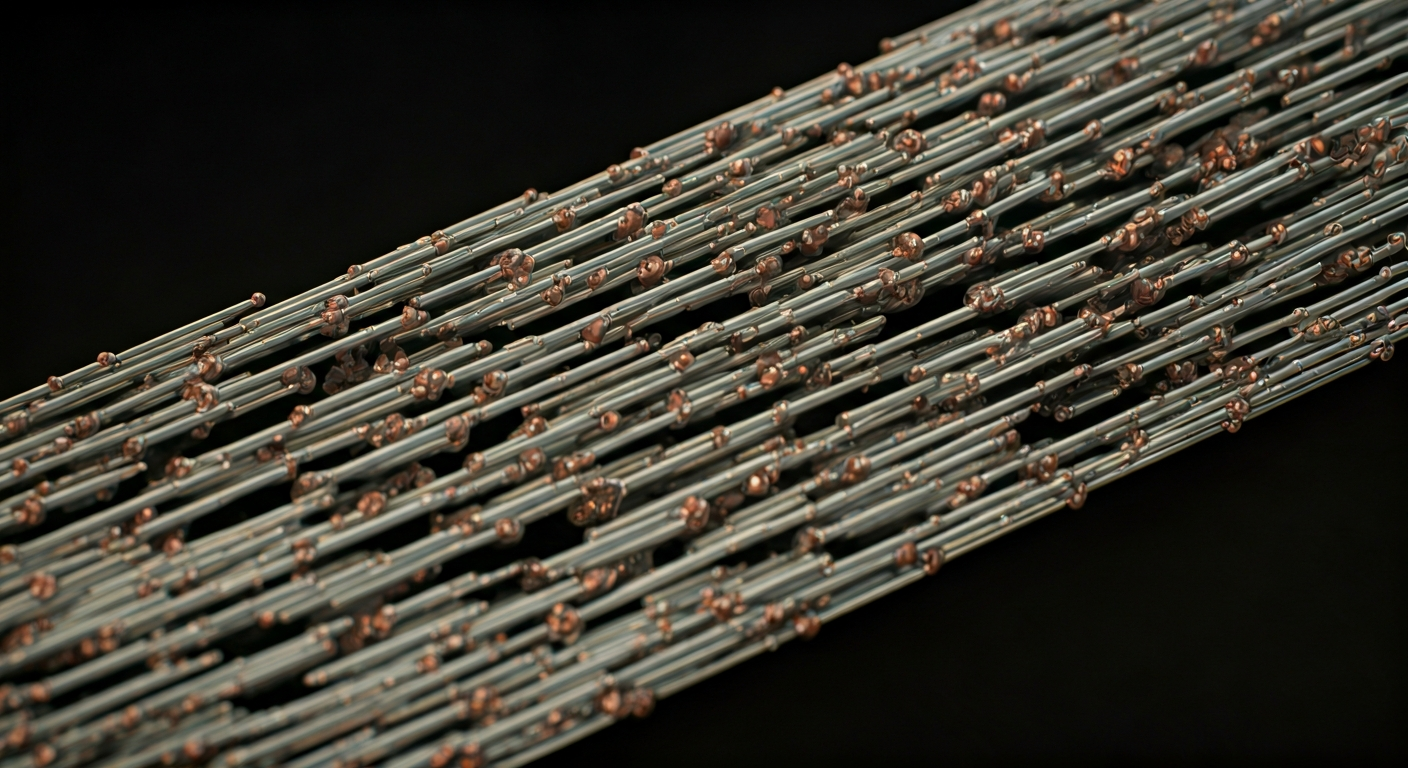
The enhanced AlSi10Mg alloy's superior performance will stem from precise control over its nanoscale composition and microstructure. The base alloy composition will be Al-10Si-0.5Mg (wt%), with strategic additions of trace elements and a focus on controlling the solidification and post-solidification microstructure.
**Key Alloying Elements & Rationale:** * **Silicon (Si):** Forms a eutectic phase with Al, improving castability and strength. Nanoscale Si precipitates and refined eutectic Si morphology will be targeted. * **Magnesium (Mg):** Increases solid solution strengthening and enables precipitation hardening through the formation of Mg2Si phases. Precise control over Mg content is crucial to avoid detrimental intermetallics. * **Copper (Cu) (~0.2-0.5 wt%):** Added to promote precipitation hardening via the formation of Al2Cu and Al2CuMg phases, significantly enhancing yield and tensile strength. Control of Cu distribution is vital to avoid embrittlement. * **Zirconium (Zr) (~0.1-0.2 wt%):** Acts as a grain refiner and stabilizer. Zr forms coherent Al3Zr precipitates that pin grain boundaries, improving creep resistance and high-temperature strength, and inhibiting recrystallization during post-processing heat treatments. These precipitates are typically in the nanometer size range (5-20 nm). * **Scandium (Sc) (trace ppm levels):** Sc can form Al3Sc precipitates, which are very effective grain refiners and strengtheners, similar to Zr but with potentially higher coherency and thermal stability. Research suggests Sc additions can significantly improve ductility and fatigue life in Al alloys. * **Iron (Fe) (controlled <0.1 wt%):** Typically an impurity, but controlled low levels can form Fe-rich intermetallics (e.g., Al15(Fe,Cr)3Si2) which can act as crack arrestors if fine and dispersed, but detrimental if coarse.
**Nanoscale Microstructure Engineering:** * **Grain Structure:** Equiaxed, fine-grained structure (<50 µm average grain size) achieved through rapid solidification during AM and Zr/Sc grain refinement. Nanoscale Al3Zr and potentially Al3Sc precipitates will be strategically distributed at grain boundaries and within grains. * **Precipitation Hardening:** The primary strengthening mechanism will be precipitation hardening. Two distinct precipitate types are targeted: * **Mg2Si Precipitates:** Formed during aging heat treatments. Nanoscale (10-50 nm) coherent or semi-coherent Mg2Si precipitates will be the target for optimizing yield strength and ductility. Their size and distribution will be controlled by aging temperature and time. * **Al2Cu and Al2CuMg Precipitates:** These age-hardenable phases, facilitated by the Cu addition, will contribute significantly to ultimate tensile strength and fatigue resistance. Control over their coherency and distribution is critical to avoid embrittlement. * **Eutectic Silicon:** In the as-solidified state, the Si phase from the Al-Si eutectic reaction will be refined to a fine, interconnected network of nanoscale Si particles (<100 nm) rather than coarse, plate-like structures. This is achieved through rapid cooling rates inherent in AM and potentially through additions of nucleating agents (e.g., P, Sr) during powder production. * **Intermetallic Phases:** Minimize the formation of large, detrimental intermetallic phases (e.g., Fe-rich phases, Al-Cu-Mg phases). Nanoscale, dispersed intermetallics will be preferred where beneficial (e.g., for crack deflection). * **Porosity:** Target porosity volume fraction < 0.5%, with pores being spherical and isolated, rather than irregular and interconnected. This requires meticulous control of AM process parameters and powder quality.
Synthesis & Manufacturing Route
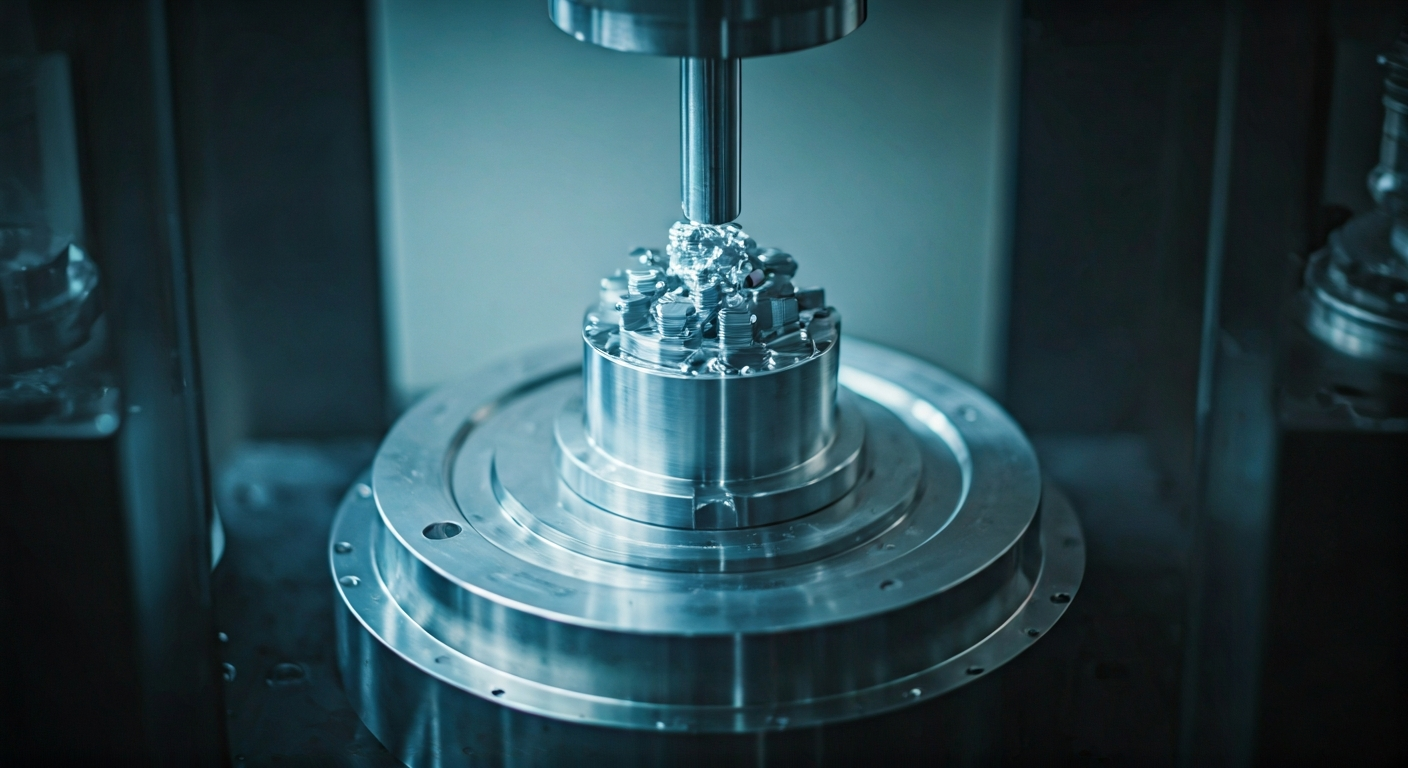
The primary manufacturing route will be Laser Powder Bed Fusion (LPBF), also known as Selective Laser Melting (SLM). This process allows for complex geometries and the precise control required for nanoscale microstructure engineering.
**1. Powder Production:** * **Method:** Gas atomization or plasma rotating electrode process (PREP) will be used to produce spherical, high-purity AlSi10MgCuZrSc powder. PREP offers superior control over morphology and purity, especially for trace element additions. * **Compositional Control:** Precise alloying additions (Cu, Zr, Sc) will be made during the melting stage prior to atomization. Strict quality control will ensure homogeneity and adherence to target wt% values. * **Particle Size Distribution (PSD):** Optimized PSD (e.g., 15-60 µm) will be achieved through sieving to ensure excellent powder flowability, high packing density, and consistent layer deposition in the LPBF machine. Spherical morphology is crucial for reducing balling defects.
**2. Laser Powder Bed Fusion (LPBF):** * **Machine:** High-power LPBF systems (e.g., using 400W+ fiber lasers) with inert atmosphere control (Argon or Nitrogen) are required. * **Process Optimization:** Advanced process parameter optimization will be conducted using Design of Experiments (DoE) and potentially in-situ monitoring. Key parameters include: * **Laser Power (P):** Controls energy input per unit volume. * **Scan Speed (v):** Affects melt pool dynamics and solidification rate. * **Layer Thickness (t):** Influences powder recoating and energy coupling. * **Hatch Spacing (h):** Determines the overlap between adjacent scan tracks. * **Scan Strategy:** Island scanning, chessboard patterns, and contour strategies will be evaluated to minimize residual stresses and distortion. * **In-Situ Monitoring:** Employing techniques like high-speed thermal imaging, optical imaging, and acoustic emission monitoring to detect anomalies (e.g., lack of fusion, porosity, cracks) in real-time. Feedback loops can adjust parameters dynamically. * **Atmosphere Control:** Maintaining a low oxygen (<100 ppm) and moisture content in the build chamber is critical to prevent oxidation and pore formation.
**3. Post-Processing:** * **Powder Removal & Support Structure Removal:** Standard procedures using compressed gas and/or mechanical methods. * **Heat Treatment:** This is a critical step for achieving the target properties. A multi-stage heat treatment protocol will be developed: * **Stress Relief:** A low-temperature anneal (e.g., 250-300°C for 1-2 hours) to reduce residual stresses from the LPBF process. * **Solution Treatment:** Heating to a high temperature (e.g., 480-520°C) to dissolve strengthening precipitates (Mg2Si, Al2Cu) into the aluminum matrix. The duration will be optimized to avoid grain coarsening. * **Quenching:** Rapid cooling (e.g., water quench or forced air) to retain the supersaturated solid solution. * **Artificial Aging:** Precipitation hardening by heating to intermediate temperatures (e.g., 150-200°C) for controlled durations (e.g., 4-12 hours) to precipitate fine, uniformly distributed Mg2Si and Al2Cu phases. Multiple aging steps might be employed. * **Surface Finishing:** Depending on the application, surface treatments like electropolishing, anodizing, or plasma electrolytic oxidation (PEO) may be applied for improved corrosion resistance, wear resistance, or thermal control.
In-Situ (ISRU) Production on Mars
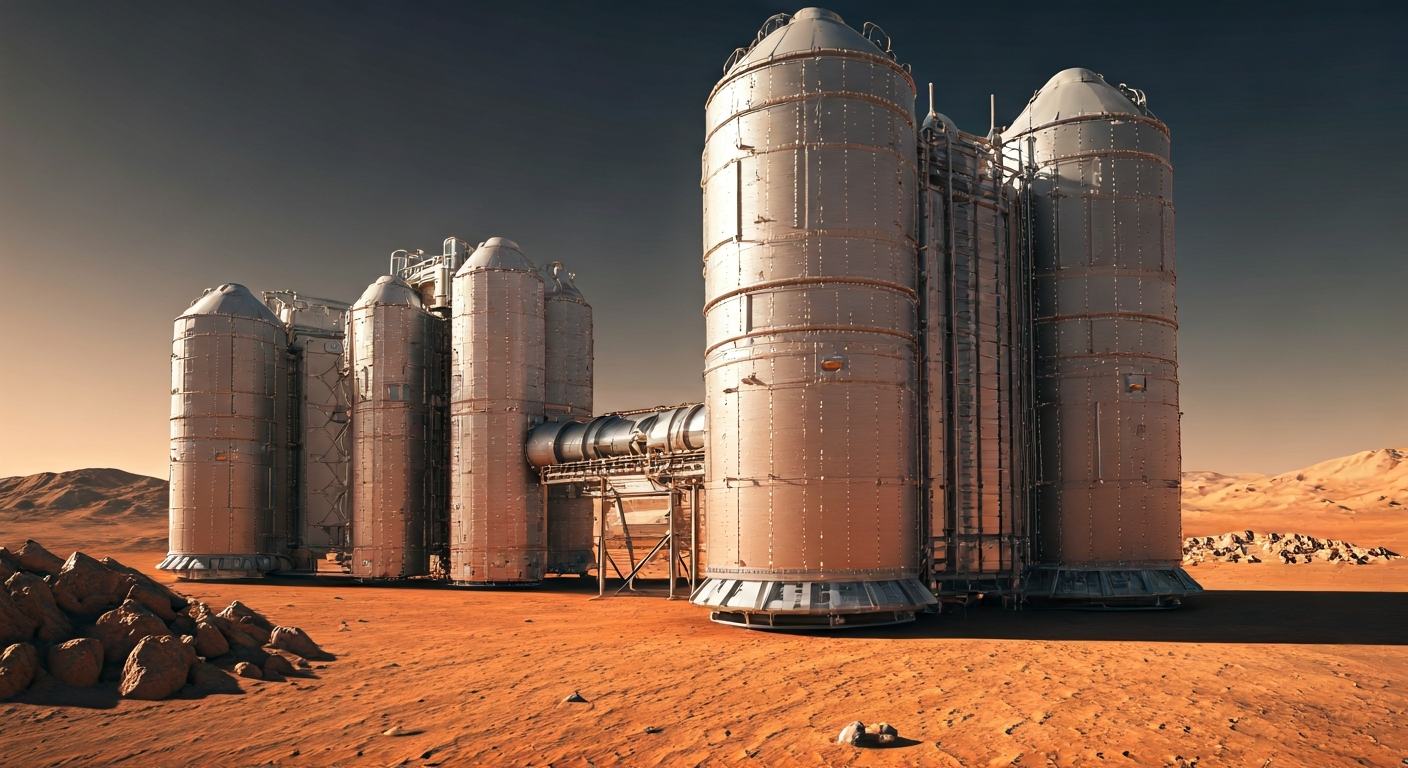
The long-term vision for this alloy necessitates its production using Martian resources. This presents significant challenges but is crucial for sustainable Mars colonization.
**1. Resource Identification & Extraction:** * **Aluminum Source:** Martian regolith contains aluminum oxides (e.g., anorthite, feldspars). Extraction will likely involve processes like molten salt electrolysis (e.g., similar to the Hall-Héroult process but adapted for Martian conditions and feedstocks) or carbothermal reduction followed by purification. * **Silicon Source:** Silicon is abundant in Martian silicates. Extraction could be coupled with aluminum extraction or involve separate carbothermal reduction processes. * **Magnesium Source:** Magnesium is present in Martian minerals (e.g., olivine, pyroxene) and potentially in atmospheric CO2 (via magnesite). Extraction methods will need to be developed. * **Oxygen:** The Martian atmosphere (primarily CO2) is a source of oxygen, which can be electrolyzed (e.g., MOXIE experiment). This oxygen is essential for many metallurgical processes.
**2. ISRU Powder Production:** * **Challenges:** Producing high-quality, spherical AM powder from ISRU-derived materials is a major hurdle. The purity and consistency of extracted metals will likely be lower than terrestrial standards. * **Potential Methods:** Modified gas atomization using Martian atmospheric gases (if suitable) or plasma atomization could be employed. Pre-alloying with terrestrial feedstock or developing specific Martian alloy compositions might be necessary initially. * **Recycling:** A critical aspect will be the ability to recycle spent powder and internal scrap generated during AM builds. This requires robust powder reclamation and re-qualification processes.
**3. ISRU LPBF Operation:** * **Atmosphere:** LPBF requires a controlled inert atmosphere. Utilizing Martian atmospheric gases (N2, Ar) after purification and separation might be feasible, but requires significant energy investment. * **Energy Source:** Reliable power generation (e.g., nuclear fission reactors, advanced solar arrays) is essential for operating LPBF machines and associated ISRU processes. * **Process Adaptation:** LPBF parameters will need re-optimization based on the characteristics of ISRU-derived powder. Lower purity might necessitate different laser power, scan speeds, and potentially affect achievable part quality.
**4. ISRU Post-Processing:** * **Heat Treatment:** Developing compact, efficient heat treatment furnaces suitable for Martian conditions (low ambient pressure, temperature extremes) is required. Alternative methods like induction heating or laser-based post-processing might be explored. * **Quality Control:** Robust, potentially automated, non-destructive testing (NDT) methods will be crucial to verify the quality of ISRU-produced parts.
Key Challenges & Failure Modes
Despite the potential, several challenges and failure modes must be addressed:
**1. AM Process Control:** * **Porosity:** Key challenge. Lack of fusion, keyholing (excessive energy leading to vaporisation), and powder balling can lead to pores. Irregular pores significantly reduce mechanical properties, especially fatigue life. * **Cracking:** High residual stresses from rapid heating/cooling cycles can lead to hot cracking during solidification or cold cracking during cooling, particularly in alloys with high Si content. Micro-cracking can initiate fatigue failures. * **Inconsistent Microstructure:** Variations in laser power, scan speed, or powder distribution can lead to localized differences in grain size, precipitate distribution, and phase formation, resulting in anisotropic mechanical properties.
**2. Material Properties:** * **Ductility & Fracture Toughness:** AlSi10Mg can be brittle, especially with certain microstructures or impurities. Low ductility limits its use in applications requiring impact resistance or significant deformation tolerance. Brittle fracture can occur suddenly. * **Fatigue Life:** Porosity, surface roughness, and microstructural defects act as stress concentrators, significantly reducing fatigue life under cyclic loading, which is common in spacecraft structures subjected to launch vibrations and operational loads. * **Creep & High-Temperature Performance:** While enhanced with Zr/Sc, the alloy's performance at elevated temperatures (e.g., near engines or during atmospheric entry) might be limited compared to superalloys. Grain boundary sliding and precipitate coarsening are potential issues. * **Radiation Damage:** Long-term exposure to space radiation could lead to subtle microstructural changes (e.g., defect accumulation, minor phase instability) that degrade mechanical properties over time. Embrittlement is a concern.
**3. ISRU Production:** * **Purity & Consistency:** Achieving the required purity and compositional consistency from Martian resources is extremely difficult. Impurities (e.g., sulfur, carbon) can drastically alter alloy properties and AM processability. * **Powder Morphology:** Producing spherical, consistent powder from ISRU feedstock is a major technological gap. * **Process Stability:** Maintaining stable LPBF operation with potentially variable ISRU feedstock requires highly adaptive control systems.
**4. Environmental Degradation:** * **Martian Dust:** Fine Martian dust can be abrasive and chemically reactive, potentially causing surface degradation or interfering with seals and mechanisms. Its interaction with the alloy surface needs evaluation. * **Thermal Cycling:** Extreme temperature swings on Mars can induce fatigue and microstructural changes if not properly accounted for in design and material selection.
Test & Qualification Plan
A comprehensive test and qualification plan is essential to validate the performance and reliability of the enhanced AlSi10Mg alloy for space and Mars applications.
**1. Material Characterization (as-built & post-processed):** * **Microstructural Analysis:** Scanning Electron Microscopy (SEM) with Energy Dispersive X-ray Spectroscopy (EDS) for phase identification, precipitate size/distribution, and porosity analysis. Transmission Electron Microscopy (TEM) for nanoscale precipitate characterization and crystallographic analysis. Electron Backscatter Diffraction (EBSD) for grain structure and texture analysis. * **Chemical Analysis:** Inductively Coupled Plasma Mass Spectrometry (ICP-MS) or Atomic Absorption Spectroscopy (AAS) for precise elemental composition. * **Density Measurement:** Archimedes principle or pycnometry.
**2. Mechanical Testing:** * **Tensile Testing:** Performed at various temperatures (e.g., 20°C, -150°C, +150°C) according to ASTM E8/E8M standards. Testing along different build directions (X, Y, Z) to assess anisotropy. * **Fatigue Testing:** Rotating beam or axial fatigue tests under vacuum conditions (ASTM E466, E606). Focus on high cycle fatigue (HCF) and very high cycle fatigue (VHCF) regimes. * **Fracture Toughness Testing:** Compact Tension (CT) or Single Edge Notched Bend (SENB) specimens (ASTM E399, E1820) at relevant temperatures. * **Hardness Testing:** Vickers hardness (ASTM E384). * **Impact Testing:** Charpy or Izod tests (ASTM E23) if relevant for specific applications (e.g., landing gear components).
**3. Environmental Testing:** * **Vacuum Outgassing:** Testing according to NASA-STD-6001. Samples will be placed in a vacuum chamber at relevant temperatures, and evolved gases analyzed. * **Radiation Exposure:** Samples irradiated with relevant particles (protons, heavy ions) and doses simulating mission duration. Post-irradiation mechanical testing will be performed. * **Thermal Cycling:** Specimens subjected to programmed thermal cycles between extreme temperatures (-150°C to +150°C) with periodic microstructural and mechanical evaluation. * **Corrosion Testing:** Immersion testing in simulated Martian regolith simulant (e.g., JMS-1) with varying moisture content, and exposure to Earth-based atmospheric conditions (salt spray, humidity).
**4. AM Process Validation:** * **Porosity Analysis:** Quantitative Metallography (QTM) and X-ray Computed Tomography (CT) on representative parts to quantify porosity size, shape, and distribution. * **Dimensional Accuracy:** Laser scanning and CMM measurements to verify geometric fidelity compared to CAD models. * **Surface Roughness:** Profilometry and SEM imaging.
**5. ISRU Material Qualification:** * **Duplicate Testing:** All tests above will be performed on samples produced using ISRU-derived materials and processes once feasible. * **Comparative Analysis:** Direct comparison of properties between terrestrial and ISRU-produced materials.
TRL & 2030 Roadmap
**Current TRL (Base AlSi10Mg for AM):** TRL 7-8 (System level testing and qualification for specific terrestrial AM applications).
**Target TRL for Enhanced Alloy (Terrestrial Production):** TRL 6-7 by 2028.
**Roadmap:**
* **Phase 1 (2024-2025): Material Design & Simulation:** * Refine alloy composition (Cu, Zr, Sc levels) using CALPHAD modeling and thermodynamic databases. * Develop computational models (e.g., phase-field, finite element) to predict microstructure evolution during AM and heat treatment. * Simulate mechanical response and environmental degradation. * *Output: Optimized alloy composition targets, preliminary process parameter envelopes.* * *TRL: 3-4*
* **Phase 2 (2025-2027): Powder Synthesis & LPBF Optimization:** * Synthesize pilot batches of enhanced alloy powder using gas atomization/PREP. * Conduct extensive LPBF process optimization using DoE and in-situ monitoring. * Develop and validate multi-stage heat treatment protocols. * Perform initial mechanical and microstructural characterization. * *Output: Characterized material samples, optimized AM and heat treatment parameters.* * *TRL: 5-6*
* **Phase 3 (2027-2028): Component Prototyping & Qualification:** * Manufacture representative component prototypes (e.g., brackets, structural elements, heat exchanger parts). * Conduct comprehensive mechanical, environmental, and fatigue testing according to the plan. * Perform Design of Experiments (DoE) for process robustness verification. * *Output: Qualified material data package, validated AM process for target components.* * *TRL: 6-7*
* **Phase 4 (2028-2030): Spaceflight Application Demonstration:** * Integrate qualified material/components into relevant spaceflight testbeds or sub-orbital/orbital demonstration missions. * Further refine processes based on flight data. * *Output: Flight-proven material status.* * *TRL: 8*
* **Phase 5 (2030+): ISRU Development & Integration:** * Initiate research into ISRU feedstock extraction and purification relevant to the alloy. * Develop and test ISRU-compatible powder production methods. * Adapt LPBF processes for ISRU feedstocks and Martian conditions. * *Output: Roadmap for ISRU production, initial ISRU-produced samples.* * *TRL: 3-4 (for ISRU aspect)*
Space & Mars Applications
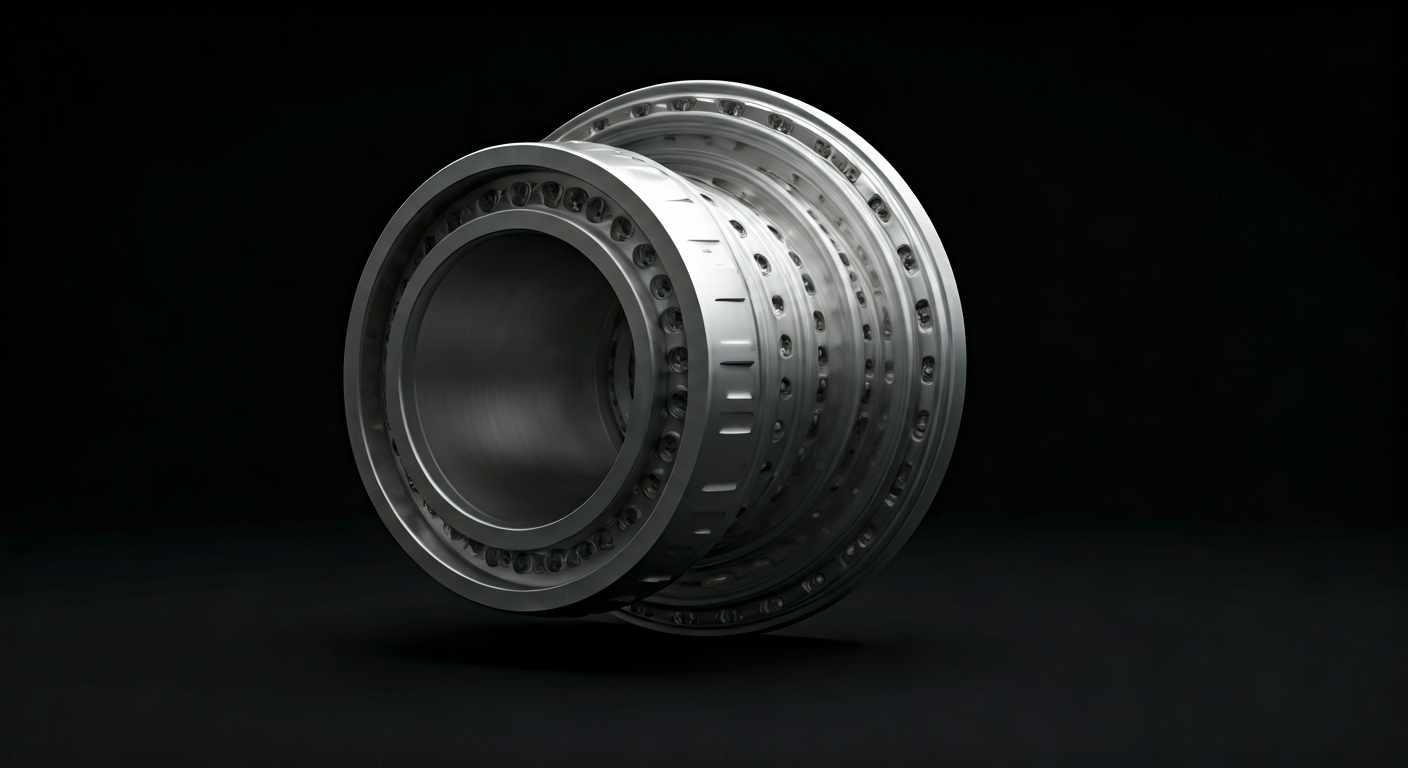
The enhanced AlSi10Mg alloy, produced via LPBF, is envisioned for a wide range of structural and functional applications in space and on Mars:
**1. Spacecraft Structures:** * **Internal Brackets & Mounts:** Lightweight structural components for housing payloads, instruments, and habitat modules. * **Satellite Bus Structures:** Main load-bearing structures for small satellites (CubeSats, SmallSats) where mass is critical. * **Robotic Arms & End Effectors:** Complex geometries possible with AM allow for optimized, lightweight robotic components. * **Thermal Management Components:** Heat sinks and heat exchangers can be designed with intricate internal channels for improved efficiency, leveraging the alloy's thermal conductivity and manufacturability.
**2. Mars Surface Infrastructure:** * **Habitat Modules:** Structural elements, connectors, and potentially integrated pressure vessels for initial habitat construction. * **ISRU Equipment Housings:** Casings and structural frames for processing equipment (e.g., water extraction, oxygen generation, regolith processing). * **Lander/Ascent Vehicle Components:** Structural parts, landing gear components (requiring high strength and fatigue resistance), and potentially pressure-containing elements. * **Radiation Shielding Components:** While not a primary shield, AM allows for complex geometries that can integrate AlSi10Mg structures with other shielding materials. * **Pressurized Rovers:** Structural chassis and components requiring a balance of strength, stiffness, and low mass.
**3. Tooling & Fixtures:** * **On-Demand Manufacturing:** AM enables the creation of custom tools, jigs, and fixtures required for repairs, maintenance, and assembly on Mars, reducing the need to launch spares.
**4. Advanced Applications:** * **Inflatable Habitat Ribs/Frames:** AM could produce complex, lightweight internal structures for inflatable modules. * **Radiation-Hardened Components:** While the alloy itself isn't inherently radiation-hardened, its AM capability allows for integration with radiation-shielding materials or the creation of complex geometries that optimize shielding effectiveness.
The ability to manufacture these components on-demand, potentially using ISRU resources, drastically reduces mission costs and increases mission resilience and autonomy.
Cross-Model Verification (GPT-3.5)
- The proposed enhanced AlSi10Mg alloy with a tensile strength target of 450 MPa, yield strength of 350 MPa, and elongation at break of 12% appears feasible and in line with advanced aluminum alloy developments for aerospace applications. - The inclusion of trace elements like Copper (Cu), Zirconium (Zr), Scandium (Sc), and Iron (Fe) for microstructure control and precipitation hardening aligns with contemporary alloy design strategies for enhanced mechanical properties. - The target properties related to environmental resistance, radiation resistance, thermal cycling stability, and low outgassing are consistent with the requirements for space and Martian applications, showcasing a comprehensive approach to material performance in extreme conditions. - The focus on nanoscale engineering for grain refinement, precipitate control, and microstructural optimization is a valid and cutting-edge strategy to enhance the mechanical properties and performance of AlSi10Mg alloy for space applications. - The specified powder morphology requirements for additive manufacturing, including particle size distribution and porosity limits, are crucial for ensuring process reliability and part quality in advanced manufacturing processes like LPBF/SLM.
This advanced AlSi10Mg dossier represents a pragmatic leap toward enabling sustainable off-world habitation. By meticulously defining nanoscale microstructural targets and linking them to robust AM processes, it addresses the core material science challenges for extreme environments. The inclusion of ISRU potential, while ambitious, is essential for long-term viability, transforming aluminum from a mere payload item into a foundational resource for Martian civilization. This material is not just a component; it's a cornerstone for building a future beyond Earth.
This content was produced by the news editor with AI.