Accidental Mars Lightning Detection Could Reshape Planetary Understanding
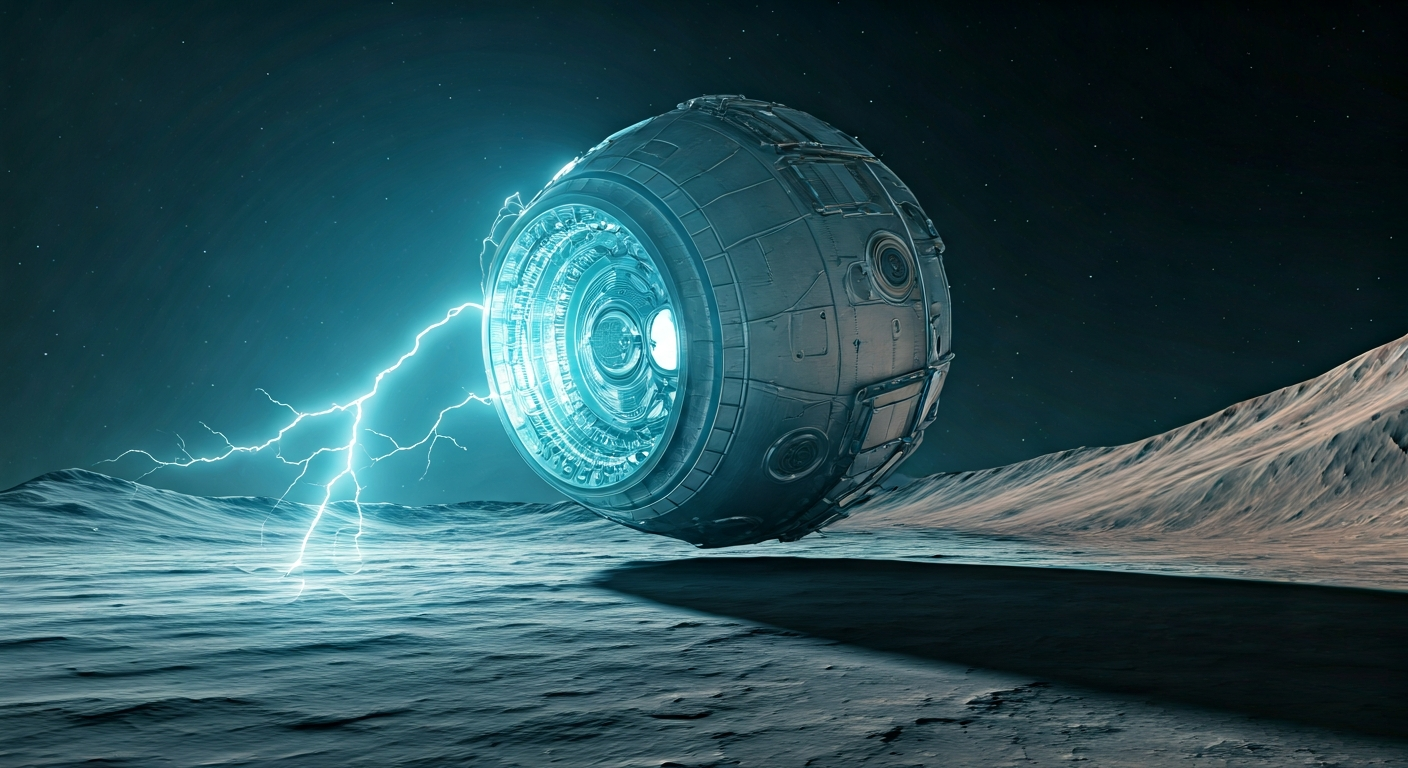
An unexpected observation of lightning-like electrical discharges on Mars by a rover has opened new avenues for understanding the Red Planet's atmosphere and potential for habitability.
During a routine mission on Mars, the Perseverance rover inadvertently detected transient electrical discharges, phenomena previously unconfirmed on the planet. These events, observed by the rover's specialized instruments, are being described as analogous to lightning strikes on Earth.
The discovery occurred while Perseverance was conducting other scientific operations, highlighting the serendipitous nature of scientific exploration. The data gathered suggests that Mars's atmosphere may possess a greater electrical dynamism than previously assumed by scientists. This finding challenges existing models of Martian atmospheric processes.
Researchers are now analyzing the characteristics of these discharges to understand their origin and intensity. The implications are significant, potentially altering our comprehension of Martian weather patterns and the distribution of electrical charges within its thin atmosphere. This could also have ramifications for the planet's magnetic field and its interaction with solar winds.
While the exact mechanisms generating these discharges are still under investigation, the detection provides crucial new data. It opens the door for future missions to be equipped to specifically search for and study such atmospheric electrical phenomena, offering a deeper insight into the Red Planet's complex environment and its potential to support life, past or present.
The accidental detection of electrical discharges on Mars by the Perseverance rover is a critical step in understanding the planet's atmospheric potential. This observation suggests a more active and dynamic atmospheric environment than previously modeled, hinting at processes that could influence atmospheric chemistry and even surface conditions. For a Mars striving towards self-sustaining civilization, understanding atmospheric electricity is vital for predicting weather, managing electromagnetic interference for sensitive equipment, and potentially even for novel energy generation concepts in the long term. This data fuels the exponential progress required to transform Mars into humanity's second home.
Edited by the news editor with AI and translated into English from the original report — please refer to the original source.