3D Printing Reaches the Stars with Advanced Manufacturing
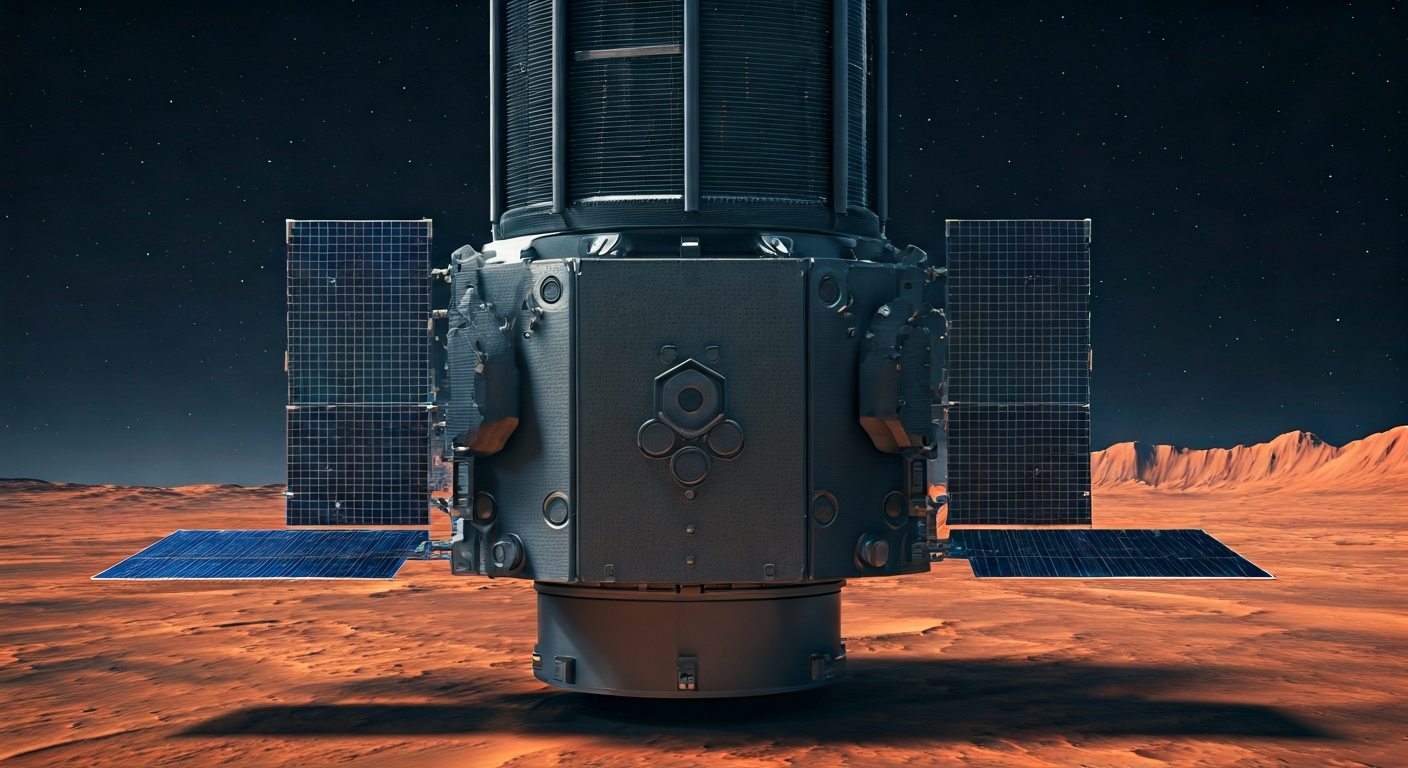
Advanced manufacturing techniques, specifically 3D printing, are enabling new possibilities in space exploration and satellite technology.
The integration of advanced manufacturing, particularly 3D printing, is opening new frontiers in space applications. This technology allows for the creation of complex and customized components that were previously difficult or impossible to produce using traditional methods.
In the realm of satellite technology, 3D printing facilitates the development of lighter, more compact, and highly functional parts. This can lead to reduced launch costs and improved satellite performance. The ability to print intricate designs on demand also offers a significant advantage for in-space manufacturing and repair.
Furthermore, 3D printing is crucial for developing specialized materials and components for the harsh environment of space. Researchers and engineers are exploring the use of novel alloys and composites that can withstand extreme temperatures, radiation, and vacuum conditions. This enables the creation of more robust and reliable spacecraft and equipment.
The advancement of 3D printing capabilities is not only confined to Earth-based manufacturing for space missions but also extends to potential in-situ resource utilization (ISRU) for future extraterrestrial endeavors, such as Mars colonization. The capacity to print structures and tools using local materials on other planets could revolutionize long-term space habitation.
The application of 3D printing in space signifies a major leap in advanced manufacturing. It enables the creation of lightweight, complex parts essential for satellites and spacecraft, potentially reducing launch mass and cost. This technology is critical for enabling in-situ manufacturing and repair, a key step towards sustainable space exploration and future Mars missions.
Edited by the news editor with AI from the original report — please refer to the original source.