3D Printing Creates Affordable Custom Bike Components
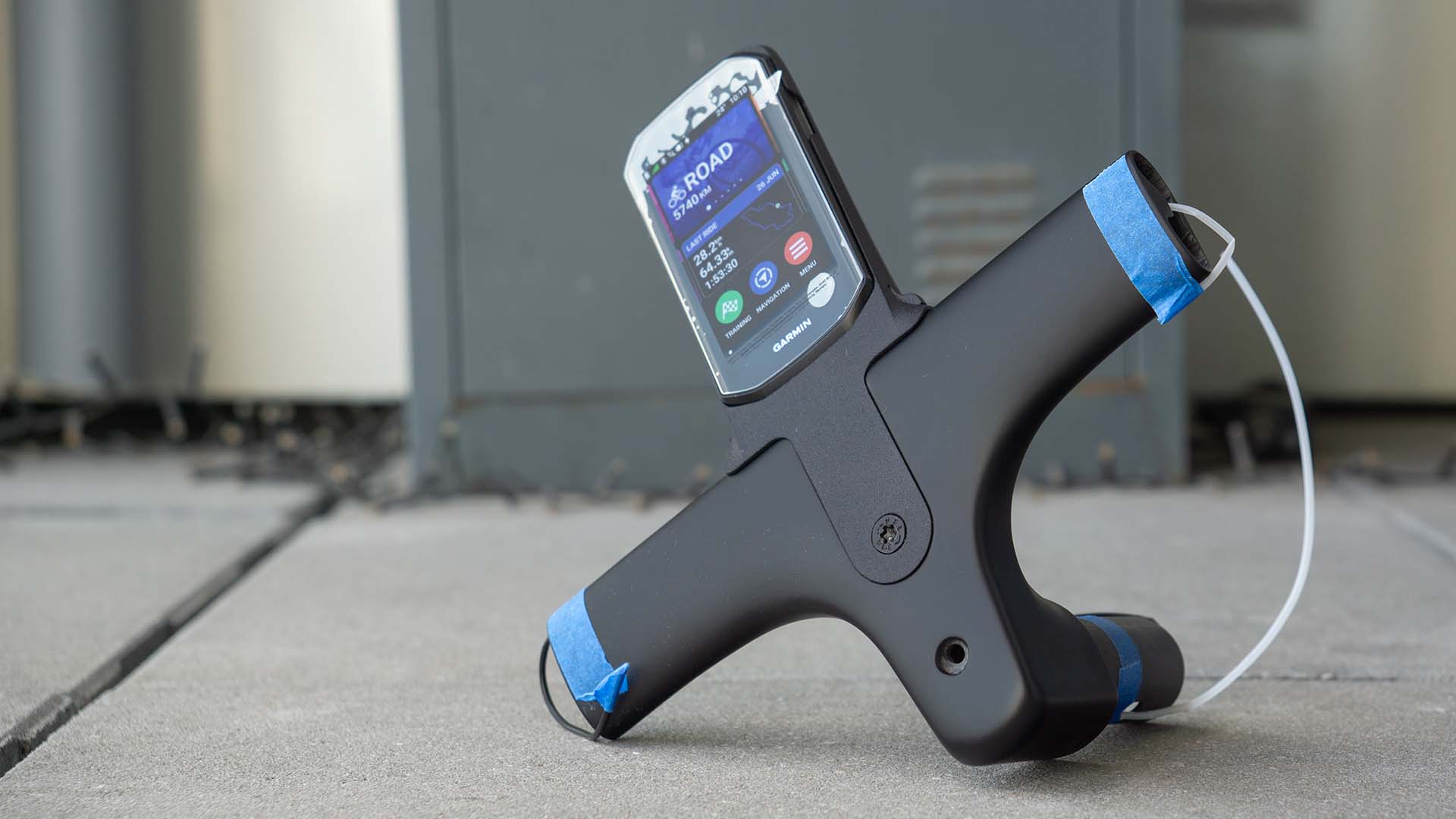
Innovations in 3D printing are making custom, lightweight bicycle components more accessible and affordable, extending beyond high-end saddles and helmets to cockpit accessories and mounts.
The world of cycling has seen significant adoption of 3D printing, particularly for bicycle seats, which are now a premium offering from major brands. Beyond seats, companies have explored 3D printing for components like wheel hubs, derailleurs, frames, and lugs, aiming to enhance customization. Helmets and shoes have also been subjects of 3D printing experimentation.
Smaller brands are driving much of the innovation, with lightweighting as a primary motivator. Additional benefits include reduced heat buildup, improved sweat-wicking, unique topologies for increased comfort, better aerodynamics, and personalized fits. Given the high cost of professional cycling bikes, which can exceed $25,000, and high-end consumer models around $6,000, the economics of 3D printing are becoming increasingly viable.
Professional cyclist Tadej Pogačar has utilized 3D-printed parts, including small, custom material extrusion components for his bike's cockpit, wiring, and interfaces. These lightweight parts, such as holders, buttons, and housings, can be produced affordably on desktop 3D printers and tailored to exact specifications through collaboration with the rider and mechanics.
The triathlon sector is also witnessing the rise of companies offering custom 3D-printed parts. Businesses like 4 Frames provide affordable accessories such as Garmin mounts ($36), AirTag mounts ($40), GoPro mounts ($6), and number mounts ($14), along with a $120 hydration bladder system. These companies, often run by engineers and enthusiasts, demonstrate a deep understanding of triathletes' needs for weight reduction and customization.
This development highlights the increasing democratization of additive manufacturing for specialized applications. By enabling low-cost, on-demand production of highly customized components, 3D printing is moving beyond niche luxury items to practical, user-centric accessories, proving its value in performance-oriented markets like cycling.
Edited by the news editor with AI from the original report — please refer to the original source.