3D Printed SiC Gyroids Show Enhanced Strength and Oxidation Resistance
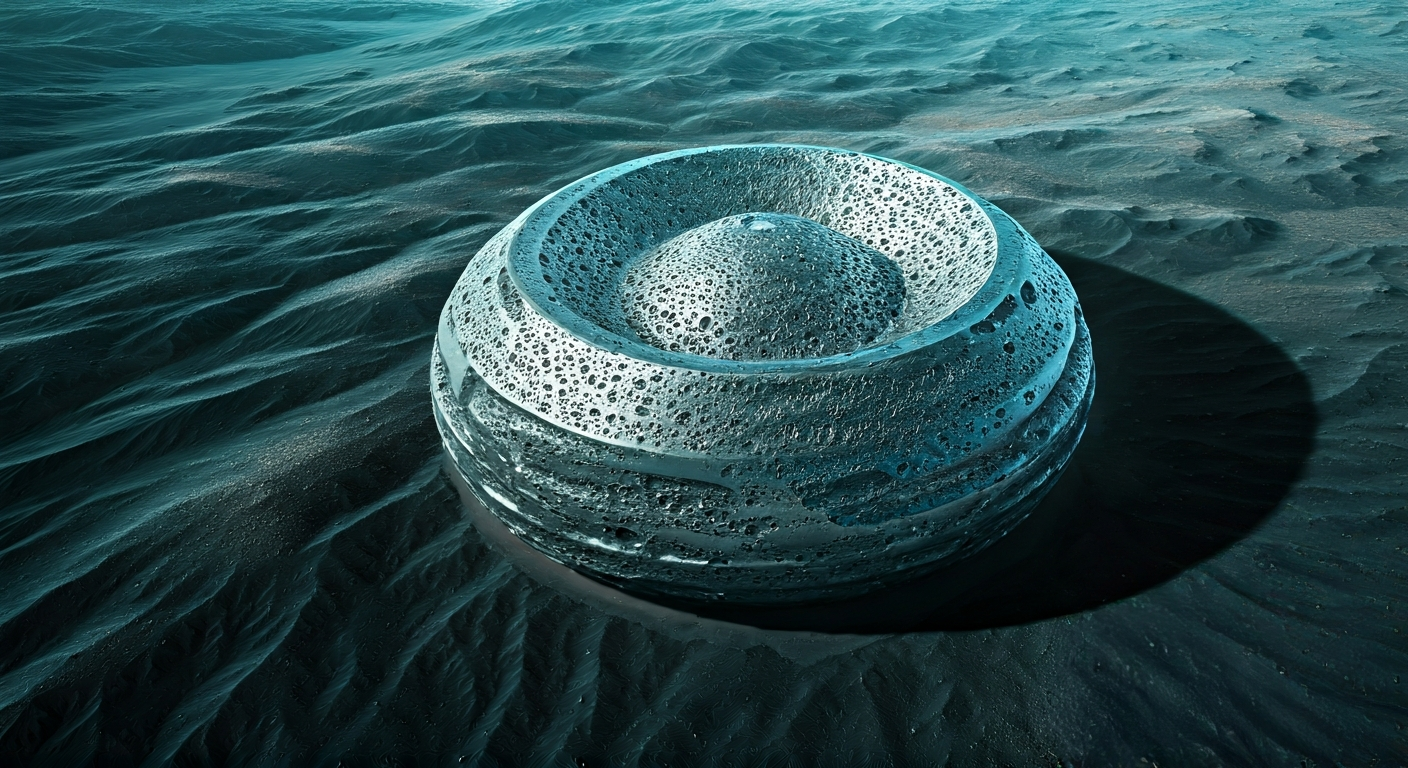
Researchers have combined additive manufacturing with Chemical Vapor Infiltration (CVI) to create porous silicon carbide (SiC) gyroid structures with improved mechanical properties and oxidation resistance.
A collaborative research effort has demonstrated a novel method for producing complex porous silicon carbide (SiC) structures. By integrating additive manufacturing techniques with Chemical Vapor Infiltration (CVI), the team successfully fabricated gyroid lattice structures with enhanced performance characteristics. These gyroids, known for their intricate, triply periodic minimal surface design, were initially 3D printed using a polymer precursor.
Following the initial printing, the polymer gyroids underwent a CVI process. This method involves introducing precursor gases that decompose and infiltrate the porous structure, ultimately replacing the polymer with silicon carbide. The resulting SiC gyroids retain the complex geometry of the original printed lattice but are now composed of a high-performance ceramic material.
Testing revealed that the SiC gyroids produced through this combined approach exhibited significantly higher strength compared to similar structures fabricated using conventional methods. Furthermore, the material demonstrated improved resistance to oxidation, a critical factor for applications operating in high-temperature or corrosive environments. The inherent porosity of the gyroid structure, combined with the properties of SiC, opens up possibilities for lightweight yet robust components.
The researchers highlighted the potential of this hybrid additive manufacturing and CVI technique to create advanced ceramic components with tailored microstructures and properties. The ability to precisely control the architecture through 3D printing and then densify it with SiC offers a pathway to novel material designs for demanding applications.
This development merges 3D printing's geometric freedom with CVI's material densification capabilities for ceramics. It enables the creation of complex, lightweight SiC structures with superior strength and oxidation resistance. This is significant for advanced thermal management, filtration, and potentially structural components in aerospace or high-temperature industrial settings where traditional manufacturing struggles with such intricate geometries.
Edited by the news editor with AI from the original report — please refer to the original source.