3D Printed Seating Rethinks Digital Fabrication With Hand-Bending
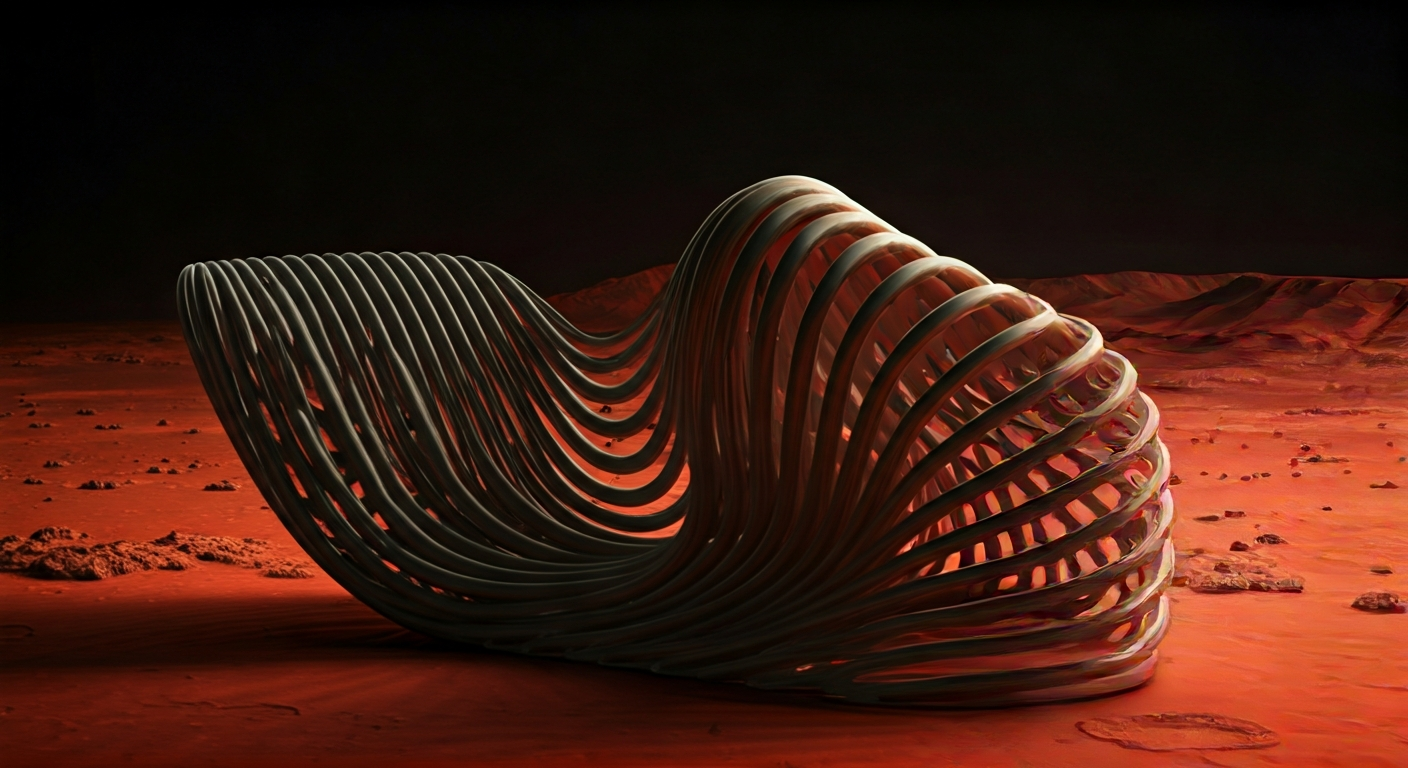
Designers Oberdoerfer and Krebs have developed a seating concept that combines 3D printing with a manual post-processing step to achieve unique forms.
The 'Continuum' seating collection by designers Oberdoerfer and Krebs introduces a novel approach to digital fabrication by integrating a manual manipulation phase. The process begins with 3D printing a flexible structure, which is then intentionally bent by hand by the user or designer to create a personalized form. This hybrid method allows for a dynamic and adaptable final product that moves beyond the static nature often associated with 3D printed objects.
The designers emphasize that this technique reimagines the relationship between digital design and physical making. Instead of relying solely on the precision of the 3D printer to define the final shape, the hand-bending step introduces an element of user interaction and organic variation. This allows each piece of seating to possess a unique character, shaped by the forces applied during the bending process.
The Continuum seating is designed to be both functional and aesthetically expressive. The flexibility of the printed material, combined with the intentional deformation, results in seating that can conform to the user's body, offering a more comfortable and personalized experience. This approach challenges traditional manufacturing paradigms by embracing imperfection and user input as integral parts of the design and production workflow.
This development highlights a growing trend in additive manufacturing to move beyond purely automated processes. By incorporating a manual post-processing step, designers can achieve complex geometries and unique aesthetic qualities not easily attainable through traditional 3D printing alone. This hybrid approach could lead to more adaptable and personalized furniture, and potentially other applications where form follows function through user interaction.
Edited by the news editor with AI from the original report — please refer to the original source.