3D Printed Prosthetic Features Integrated Pressure Mapping Sensors
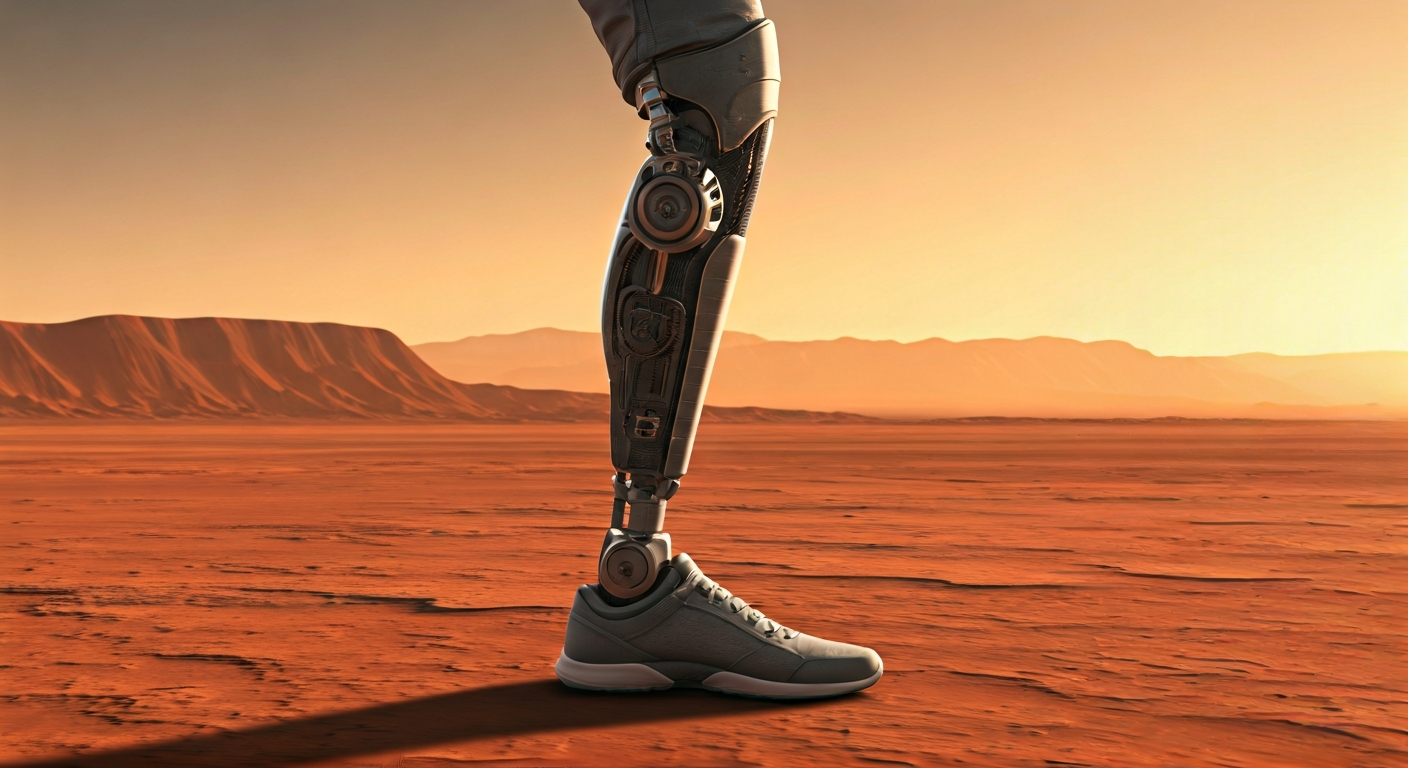
A novel 3D printed prosthetic leg has been developed, incorporating embedded pressure mapping sensors to provide real-time feedback to the user.
Researchers have created a 3D printed prosthetic leg that includes integrated pressure mapping sensors. This innovative design aims to enhance the user's control and awareness of their limb's interaction with the ground.
The sensors are embedded directly into the prosthetic structure during the printing process. This integration allows the prosthetic to capture detailed information about the pressure distribution across the sole of the foot and the residual limb's socket.
This real-time data can be transmitted to the user, potentially through haptic feedback or a visual interface. Such feedback could enable individuals to better adjust their gait, improve balance, and reduce the risk of falls. The technology represents a significant step towards more responsive and intuitive prosthetic devices.
The development focuses on creating a prosthetic that not only replaces a limb but also provides sensory information, bridging the gap between artificial limbs and natural limb function. Further research is ongoing to refine the sensor technology and its integration into various prosthetic designs.
This development integrates sensing capabilities directly into a 3D printed prosthetic, moving beyond purely structural replacement. Pressure mapping offers crucial proprioceptive feedback, vital for balance and gait control, especially in applications requiring dynamic interaction with varied terrain. This aligns with the broader additive manufacturing trend of creating complex, multi-functional components in a single build, potentially reducing assembly and enhancing performance for prosthetics and other wearable technologies.
Edited by the news editor with AI and translated into English from the original report — please refer to the original source.