3D-Printed Nuclear Batteries for Space and Defense Missions
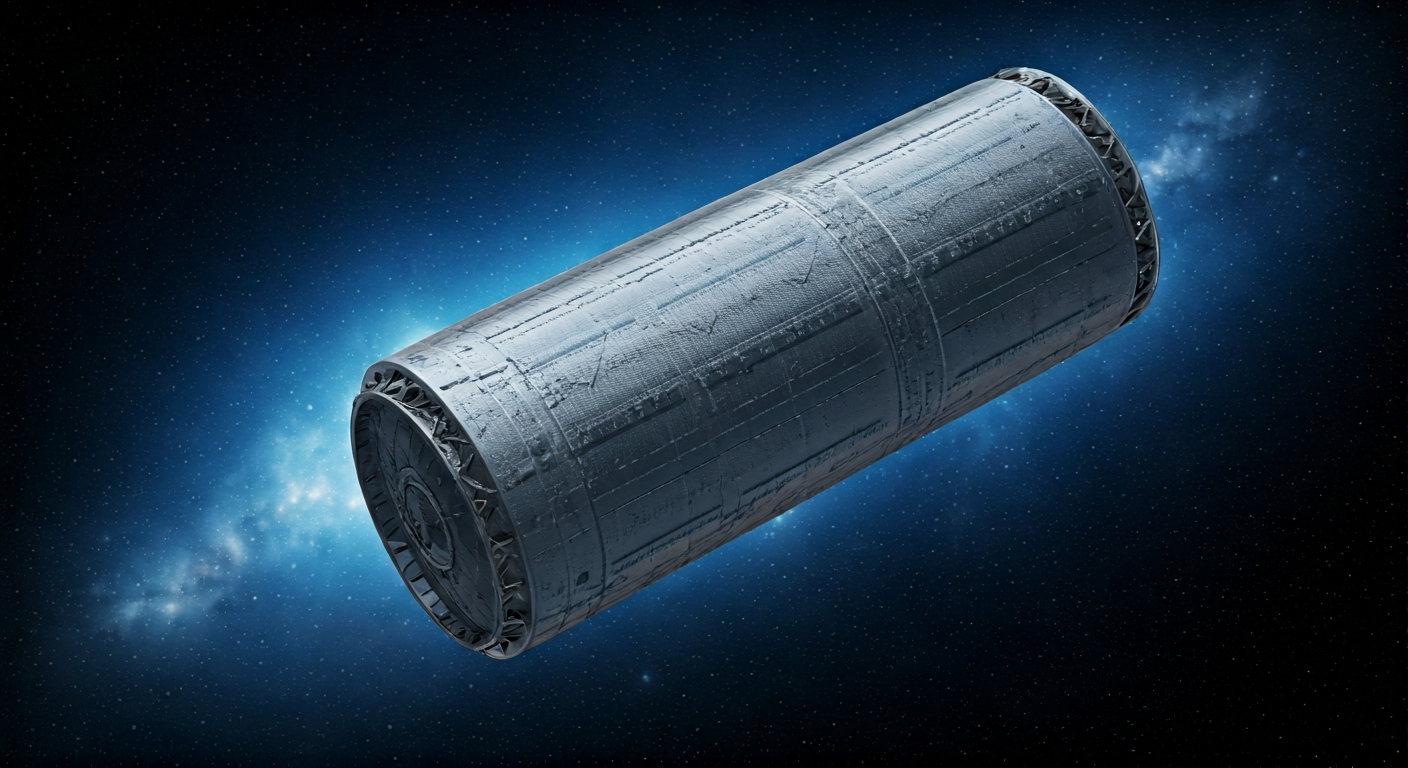
Researchers have developed 3D-printed nuclear batteries, offering a potential power source for long-duration space and defense applications.
A novel approach to creating nuclear batteries has been unveiled, utilizing 3D printing technology to integrate radioactive isotopes within a battery structure. This development could pave the way for more robust and versatile power sources for missions requiring extended operational lifespans.
The technology focuses on embedding radioactive materials, such as Nickel-63, which decay to produce energy. This energy is then converted into electricity. The 3D printing method allows for precise control over the placement and concentration of these isotopes, potentially enhancing the battery's efficiency and safety. The manufacturing process also enables the creation of custom-shaped batteries tailored to specific application requirements.
These batteries are designed to offer a significant lifespan, potentially lasting for decades, which is crucial for deep space exploration where resupply missions are impractical. The inherent stability and long-term energy output make them an attractive option for powering remote sensors, satellites, and potentially even future robotic or human missions to other planets.
Beyond space exploration, the defense sector is also identified as a key area for deployment. The ability to provide a consistent and long-lasting power supply without the need for conventional recharging or fuel replacement makes these 3D-printed nuclear batteries suitable for unattended military equipment, remote surveillance systems, and other applications where reliability is paramount.
This development signifies a leap in micro-power generation for extreme environments. By leveraging 3D printing, researchers can create compact, high-density energy sources with tailored form factors. This is particularly relevant for long-duration space missions and remote defense applications, where conventional batteries fall short due to lifespan and maintenance constraints, potentially enabling more ambitious in-situ resource utilization and autonomous operations.
Edited by the news editor with AI from the original report — please refer to the original source.