3D-Printed Nuclear Batteries Developed for Space Applications
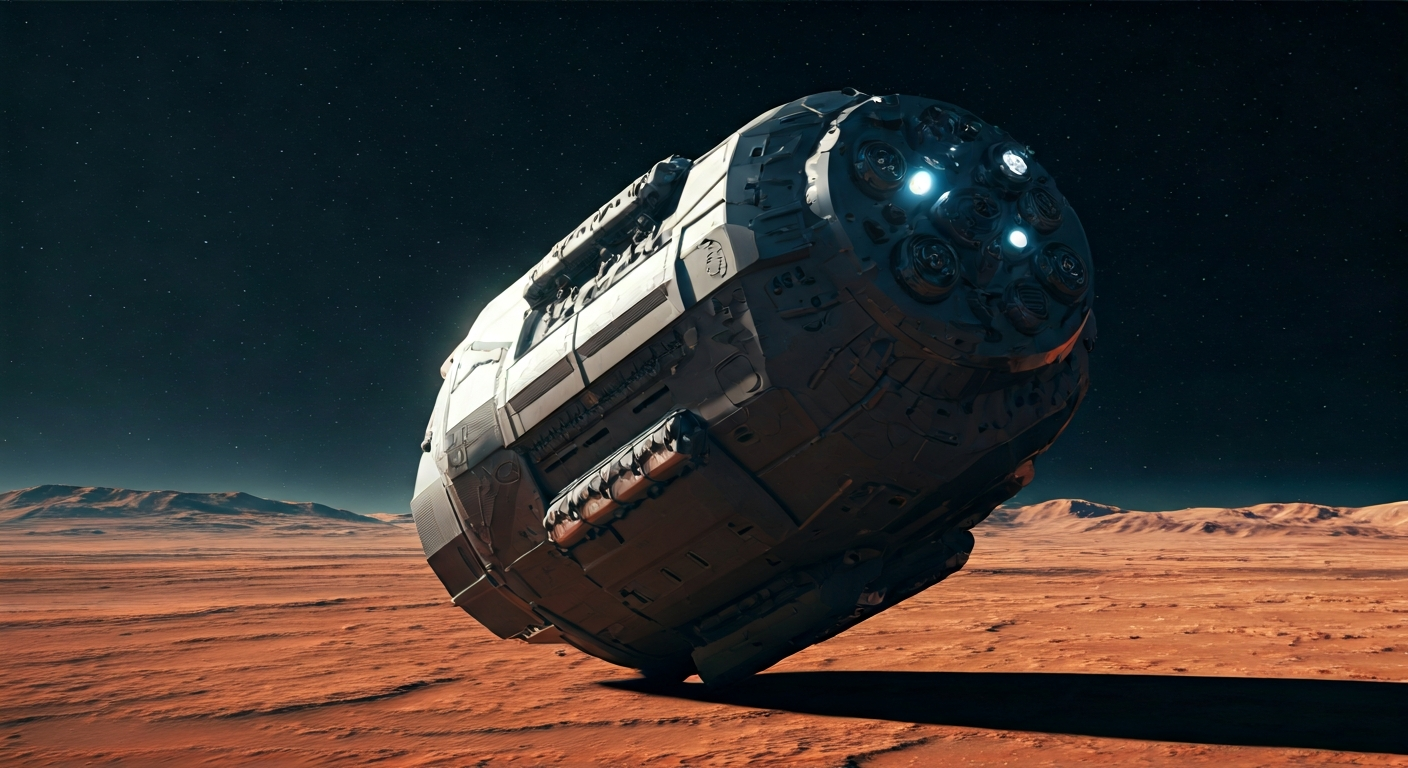
GenX Betavoltaic has developed 3D-printed betavoltaic batteries, a novel nuclear power source designed for long-duration space missions.
GenX Betavoltaic is pioneering the development of 3D-printed betavoltaic batteries, a technology that could revolutionize power generation for deep space exploration. These batteries utilize radioactive isotopes, specifically Nickel-63, to generate electricity through the betavoltaic effect. The 3D printing process allows for the precise layering of materials, creating intricate structures that optimize the conversion of radiation into electrical energy.
The design of these 3D-printed batteries is crucial for their effectiveness. They are engineered to maximize the surface area for energy conversion while ensuring the containment of the radioactive material. This advanced manufacturing technique enables the creation of compact and robust power sources that can withstand the harsh conditions of space.
Betavoltaic technology offers significant advantages over traditional batteries for long-term space missions. Unlike chemical batteries, betavoltaic devices have a much longer operational lifespan, potentially lasting for decades. This longevity is essential for missions that travel far from Earth or require continuous power over extended periods without the possibility of resupply.
The use of Nickel-63 as the radioactive source is notable. Nickel-63 is a low-energy beta emitter, making it safer to handle and shielding requirements less demanding compared to higher-energy isotopes. This characteristic contributes to the overall safety and practicality of the GenX Betavoltaic batteries for widespread application in spacecraft.
The development of 3D-printed betavoltaic batteries addresses a critical need for long-lasting, reliable power in space. By enabling precise control over material deposition, 3D printing allows for optimized energy conversion and containment. This technology could significantly extend the operational capabilities of spacecraft, reducing reliance on solar power in deep space and potentially supporting future in-situ resource utilization and long-duration human exploration.
Edited by the news editor with AI from the original report — please refer to the original source.