3D-Printed Micro-Robots Smaller Than Human Hair Created
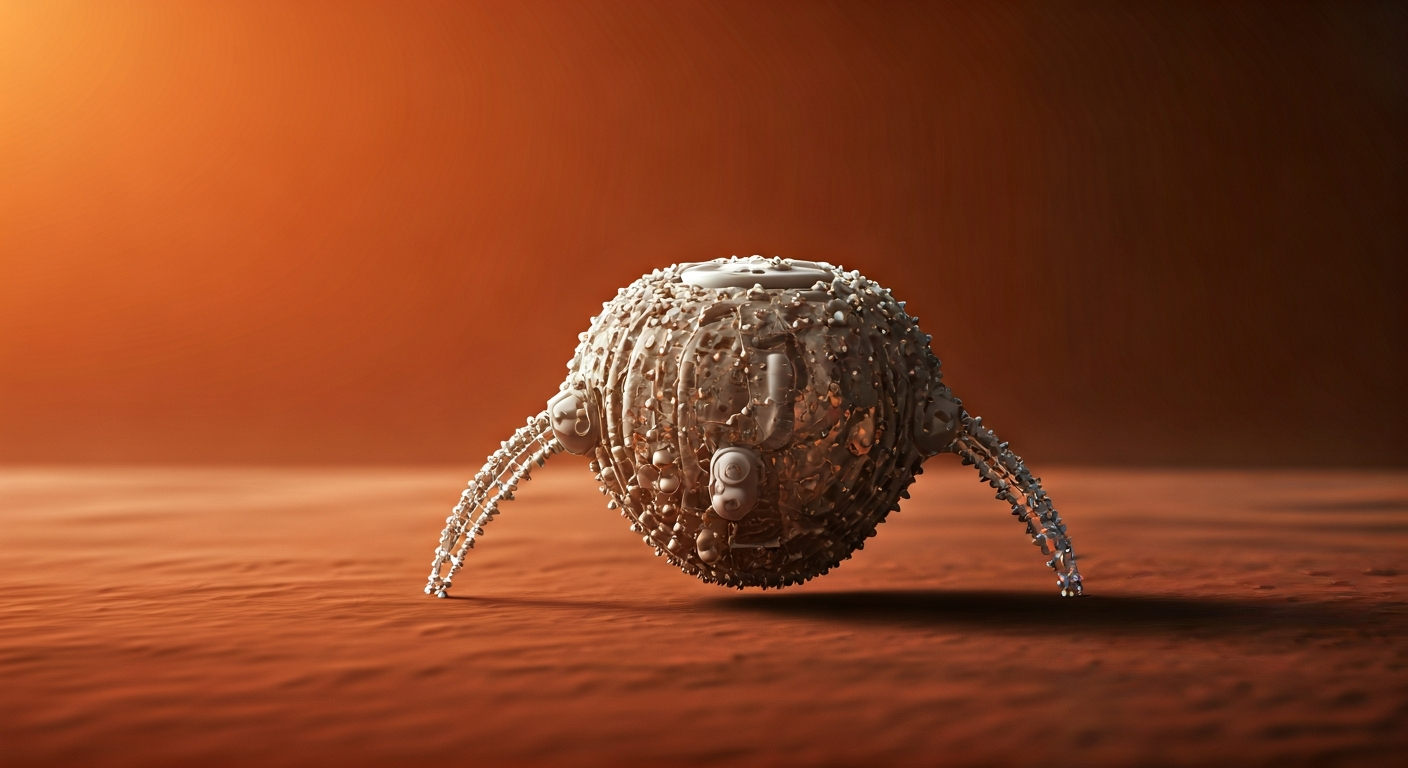
Researchers have successfully 3D printed microscopic robots, comparable in size to single-celled organisms, opening new avenues for miniaturized applications.
A team of scientists has achieved a breakthrough in additive manufacturing by successfully 3D printing robots that are smaller than the diameter of a human hair. These micro-robots are on the scale of single-celled organisms, representing a significant advancement in miniaturization.
The development allows for the creation of incredibly small machines, which could have far-reaching implications across various scientific and industrial fields. The precision required for such diminutive printing is a testament to the evolving capabilities of 3D printing technology.
While the specific applications are still being explored, the ability to produce these micro-robots suggests potential uses in areas requiring extreme precision and minimal invasiveness. This could include targeted drug delivery within the human body, microscopic exploration, or intricate assembly tasks at a cellular level.
The successful printing of these sub-millimeter robots underscores the rapid progress in additive manufacturing, pushing the boundaries of what can be created at microscopic scales. This technology could pave the way for future innovations in medicine, materials science, and robotics.
This development signifies a leap in micro-robotics enabled by advanced 3D printing. Creating functional robots at the scale of single cells opens possibilities for in-situ micro-manufacturing, targeted interventions in biological systems, and ultra-precise material manipulation, aligning with the broader trend of miniaturization and on-demand production in additive manufacturing.
Edited by the news editor with AI and translated into English from the original report — please refer to the original source.