3D-Printed Heart Model from Washington State Beats Like a Real Heart
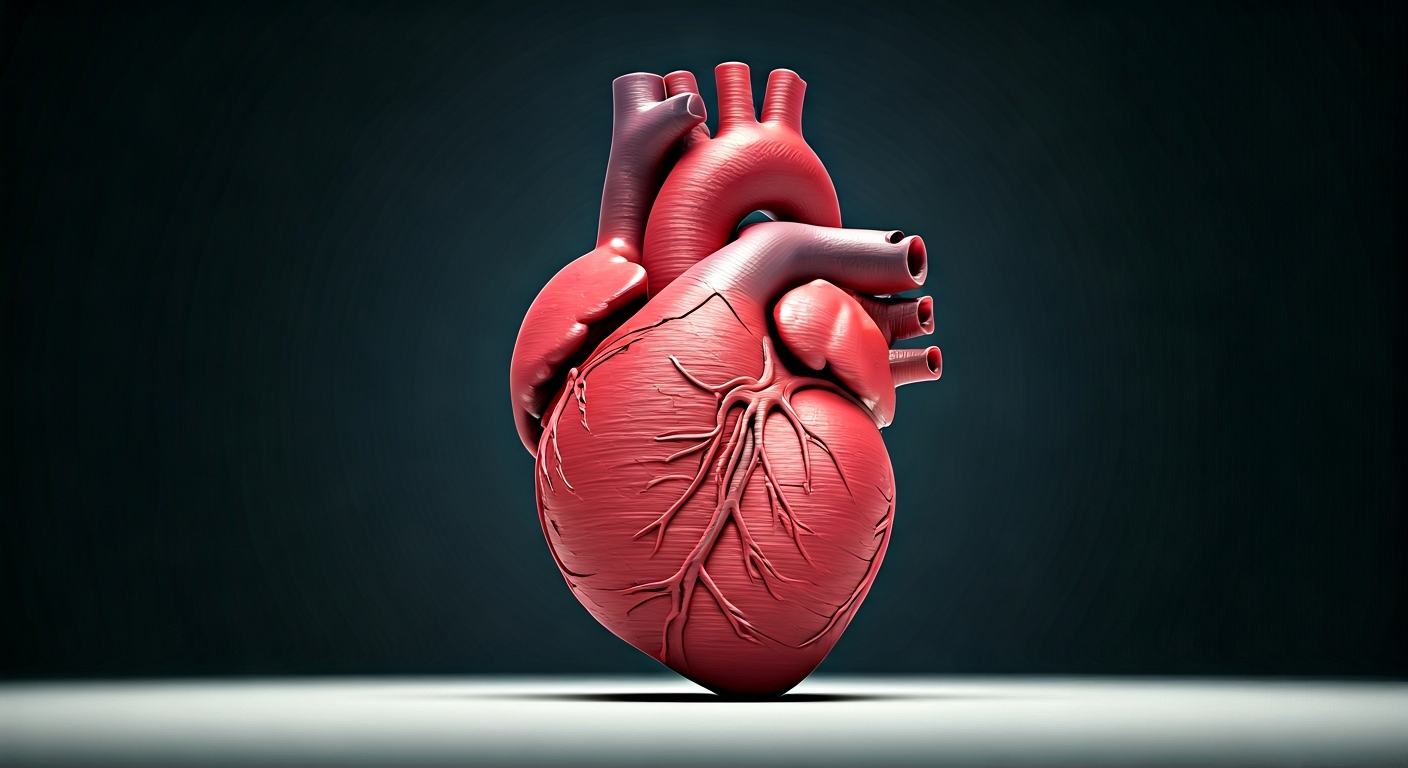
Researchers have developed a 3D-printed heart model capable of contracting and beating, mimicking the function of a biological heart.
A team at Washington State University has successfully created a 3D-printed model of a heart that exhibits contractile and beating properties akin to a living organ. This novel development represents a significant step forward in the field of bio-printing and cardiac research.
The researchers utilized advanced 3D printing techniques to construct the model, focusing on replicating the complex mechanical functions of a human heart. The model's ability to contract and beat suggests a high degree of fidelity in its design and material composition, potentially opening new avenues for studying cardiac physiology and disease.
This innovation could have profound implications for medical training, drug testing, and the development of future cardiac therapies. By providing a realistic, beating model, scientists can gain deeper insights into how the heart functions and how it responds to various stimuli or treatments without the need for animal models or human subjects in early-stage research.
The project highlights the growing potential of additive manufacturing in the biomedical sector, pushing the boundaries of what can be created and simulated using 3D printing technology. Further research will likely focus on refining the model's capabilities, such as simulating different heart conditions or incorporating more complex vascular networks.
This development is significant as it moves beyond static anatomical models to dynamic, functional replicas. Creating a 3D-printed heart that beats demonstrates advancements in printing materials and multi-material printing capabilities. Such functional models are crucial for drug efficacy testing, understanding disease progression, and training medical professionals, representing a key step towards more sophisticated in-vitro biological systems in additive manufacturing.
Edited by the news editor with AI from the original report — please refer to the original source.