3D Printed Electrolyte Technology Enables Batteries of Arbitrary Shapes
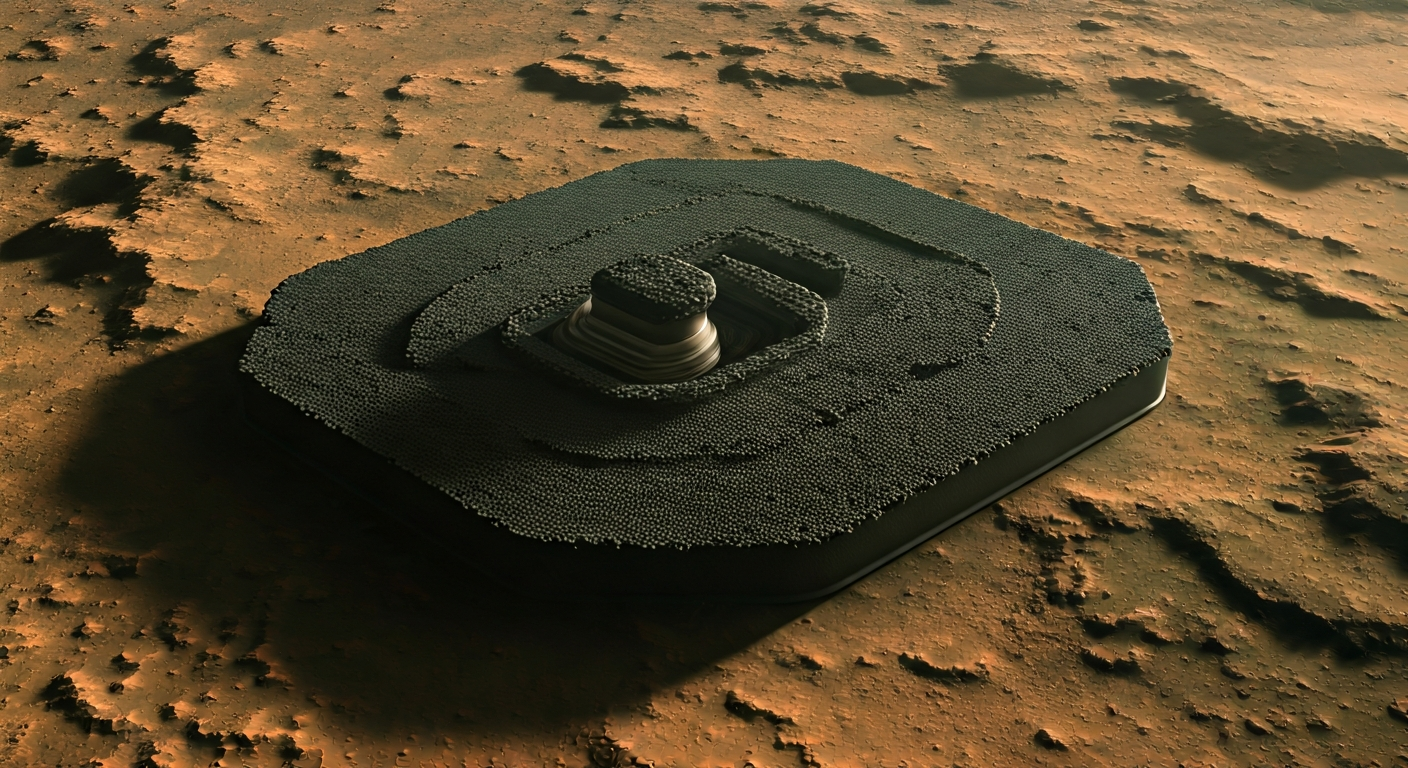
A novel 3D printing technique for solid-state electrolytes allows for the creation of batteries with complex and customized geometries, overcoming previous limitations.
Researchers have developed a new 3D printing method for solid-state electrolytes that significantly expands the design possibilities for batteries. This advancement enables engineers to fabricate batteries in virtually any shape, a feat previously challenging with conventional battery manufacturing processes.
The core of this innovation lies in the development of a specialized ink composed of ceramic solid-state electrolyte materials. This ink can be precisely deposited layer by layer using a 3D printing process. The printed structures are then solidified through a high-temperature sintering process, resulting in a functional solid electrolyte.
This technique addresses a key bottleneck in creating custom-shaped batteries, particularly those intended for integration into unique product designs or specialized applications. The ability to print electrolytes in complex forms opens doors for more efficient space utilization within devices and the development of novel energy storage solutions.
Previously, the production of solid-state electrolytes often involved rigid molds or limited geometric options, restricting the form factor of the final battery. This new 3D printing approach provides a versatile platform, allowing for intricate designs and potentially improving the performance and integration of batteries in a wide range of electronic devices and systems.
This development is significant as it offers a pathway to overcome the geometric constraints of traditional battery manufacturing. By enabling the 3D printing of solid-state electrolytes in arbitrary shapes, it allows for greater design freedom and potential for miniaturization and integration into complex systems, which is crucial for applications ranging from consumer electronics to aerospace and potentially even in-situ resource utilization in space exploration.
Edited by the news editor with AI and translated into English from the original report — please refer to the original source.