3D-Printed Ceramic Bone Implants Offer Patient-Matched Repair
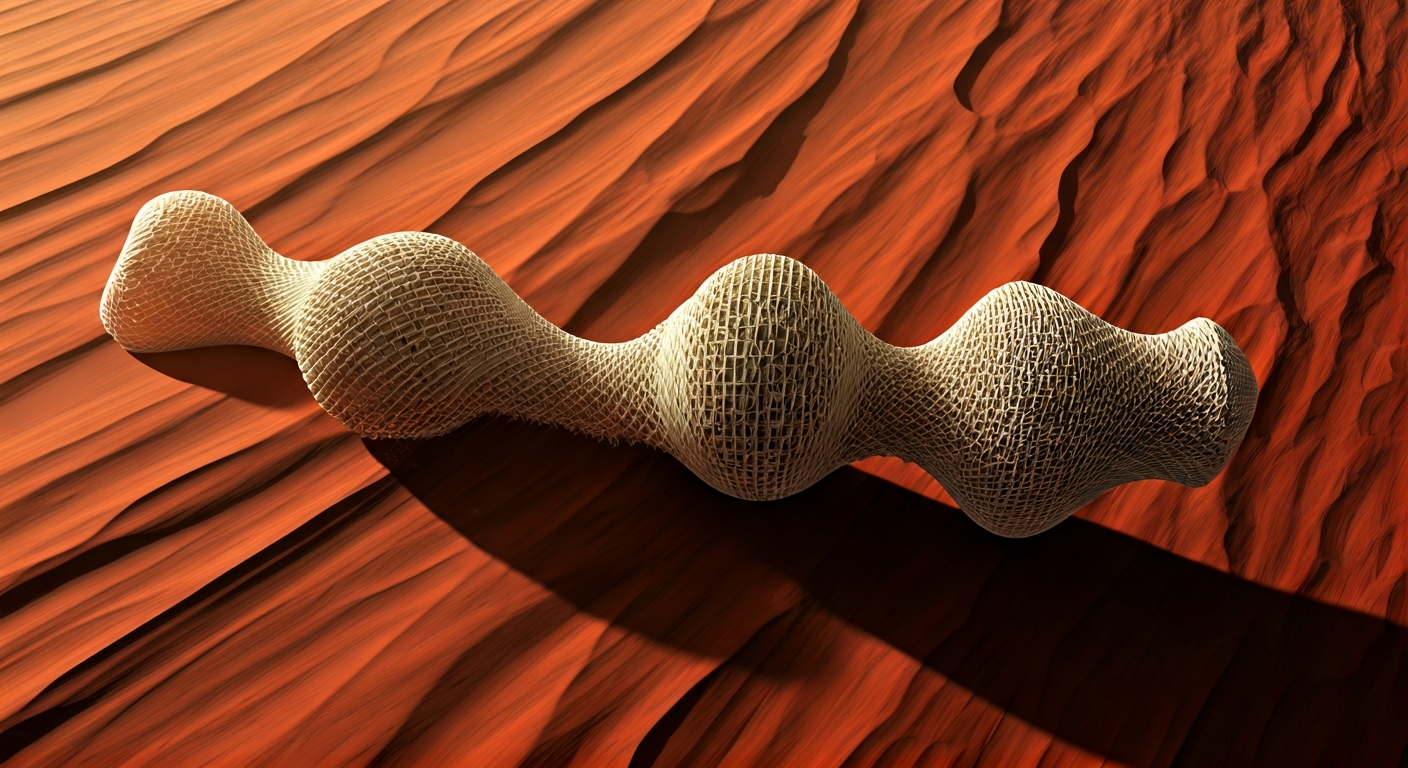
Researchers have developed 3D-printed ceramic implants designed to mimic the structure and properties of human bone, paving the way for customized skeletal repairs.
A new development in additive manufacturing has led to the creation of 3D-printed ceramic implants that closely replicate the porous, hierarchical structure of human bone. These implants are fabricated using a specialized ceramic material that can be precisely controlled during the printing process to match the mechanical properties and porosity of the patient's own bone.
The research team utilized advanced 3D printing techniques to build implants with intricate internal architectures. This level of detail allows for better integration with the surrounding biological tissue, promoting faster and more effective healing. The ability to customize the implant's shape and internal structure means it can be tailored to fit specific anatomical defects, offering a truly patient-matched solution.
This innovation holds significant promise for orthopedic surgery, potentially improving outcomes for patients requiring bone grafts or replacements due to injury, disease, or congenital conditions. The ceramic material used is biocompatible, reducing the risk of adverse reactions, and its bone-like structure is intended to encourage natural bone regeneration and remodeling.
Further development and testing are underway, but the initial results suggest that these 3D-printed ceramic implants could represent a substantial advancement in the field of regenerative medicine and medical device manufacturing, moving towards more personalized and effective treatments for bone defects.
This development highlights the increasing sophistication of additive manufacturing in creating patient-specific medical implants. By precisely mimicking bone's complex structure and mechanical properties with biocompatible ceramics, this technology addresses a key challenge in orthopedic repair. It aligns with the broader trend of AM enabling personalized medicine and complex geometries, potentially reducing revision surgeries and improving patient recovery.
Edited by the news editor with AI from the original report — please refer to the original source.