3D Laser Printing Explores Lunar Regolith for Heat-Resistant Structures
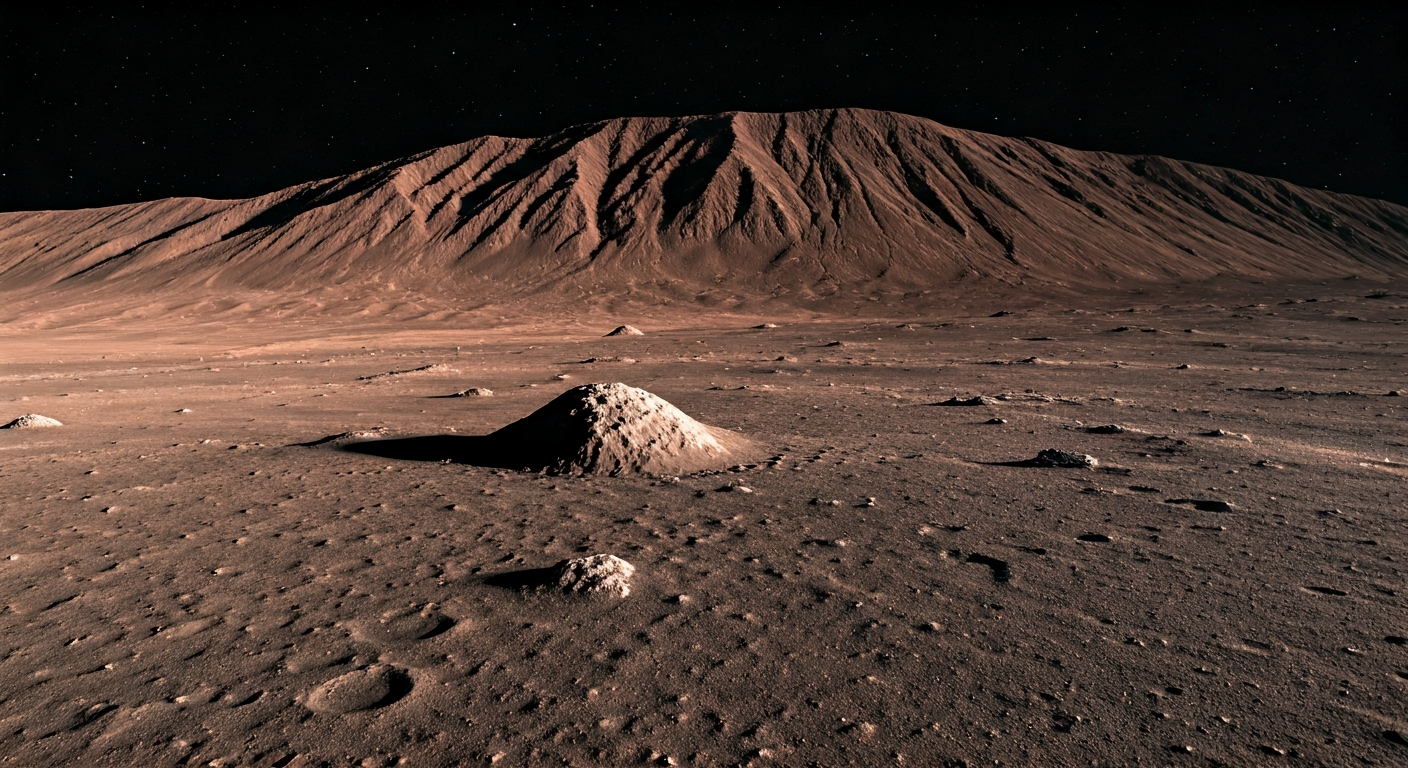
Researchers are investigating the use of laser-based 3D printing with lunar regolith to create heat-resistant structures, potentially for future lunar bases.
A recent development in additive manufacturing is exploring the potential of using lunar regolith, the loose soil and rock found on the Moon's surface, as a primary material for 3D printing.
The focus of this research is on laser-based 3D printing techniques. These methods aim to fuse regolith particles together to form solid, durable structures.
The primary goal is to produce components and structures that can withstand the extreme temperature fluctuations experienced on the lunar surface. This capability is crucial for establishing sustainable habitats and infrastructure for future lunar missions.
By utilizing in-situ resources like regolith, the need to transport heavy building materials from Earth can be significantly reduced, making lunar exploration more feasible and cost-effective.
This research addresses a key challenge in space exploration: resource utilization. Using lunar regolith for 3D printing reduces payload mass, a critical factor in launch costs. Laser sintering of regolith is a promising approach for creating radiation-shielded, thermally stable structures, vital for long-term lunar presence and potentially for in-situ manufacturing on other celestial bodies.
Edited by the news editor with AI and translated into English from the original report — please refer to the original source.