3D Bioprinting Advances Organoid and Tissue Development
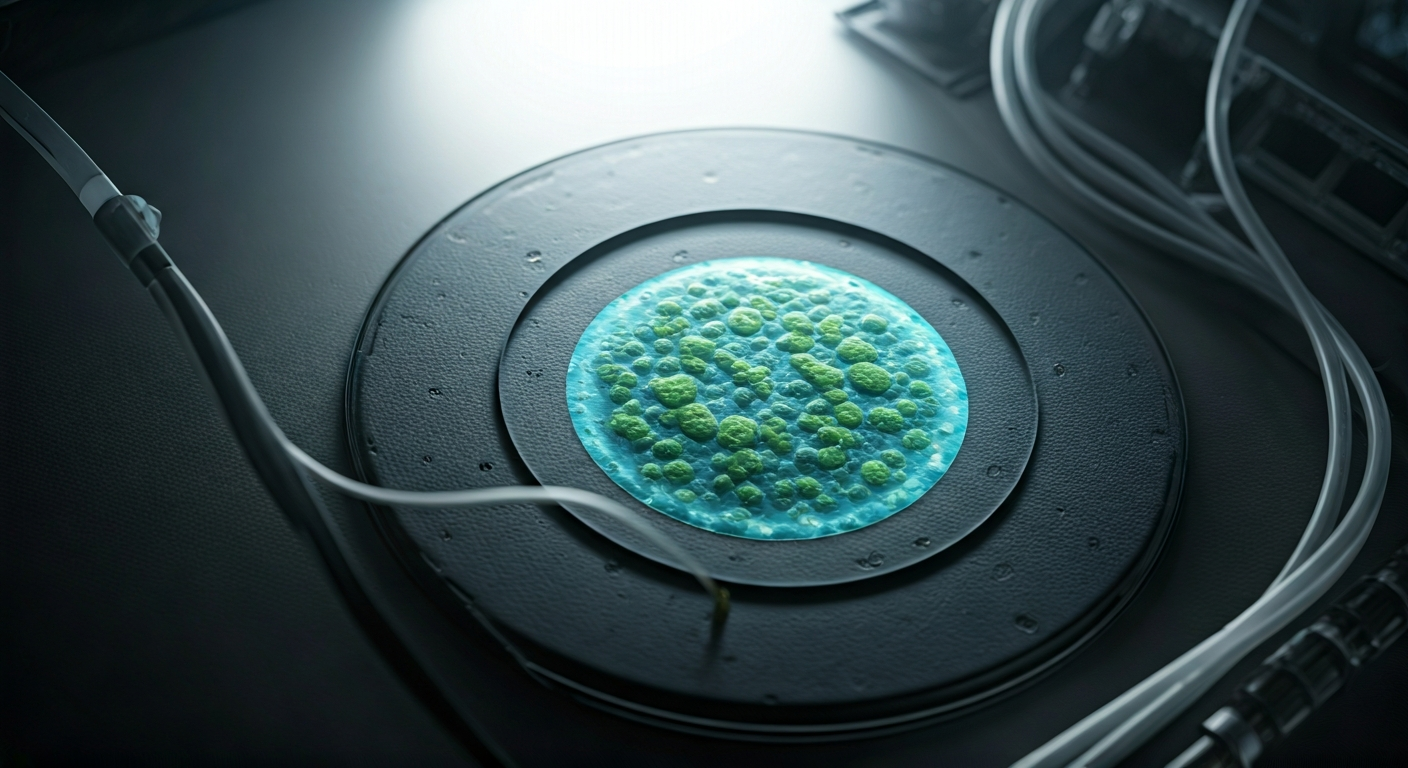
Recent developments in 3D bioprinting are accelerating the creation of organoids and tissues for research and therapeutic applications.
The field of 3D bioprinting is witnessing significant progress, offering new avenues for the development of organoids and complex tissues. This technology enables the precise deposition of cells, biomaterials, and growth factors in a three-dimensional matrix, mimicking the natural architecture of biological tissues.
Researchers are leveraging advanced bioprinting techniques to create more sophisticated and functional organoids. These miniature, simplified versions of organs are crucial for understanding disease mechanisms, testing drug efficacy, and screening potential therapeutics without the need for animal models. The ability to control the spatial arrangement of different cell types and extracellular matrix components allows for the recreation of tissue-specific microenvironments.
Beyond organoids, 3D bioprinting is also being explored for the direct fabrication of tissues for regenerative medicine. This includes the potential to create grafts for wound healing, cartilage repair, and even more complex tissues like vascular networks. The precision offered by bioprinting allows for the creation of structures with tailored mechanical properties and cellular organization, which are vital for successful tissue integration and function.
Ongoing research focuses on improving biomaterial inks, enhancing printing resolution, and developing bioreactor systems to support the maturation and vascularization of printed tissues. These advancements are critical for translating laboratory successes into clinical applications, ultimately aiming to address organ shortages and provide novel treatment options for a range of diseases.
This development in 3D bioprinting is significant for its potential to create more accurate disease models and accelerate drug discovery. By replicating native tissue complexity, it reduces reliance on animal testing and paves the way for personalized medicine and regenerative therapies, aligning with the broader additive manufacturing trend of creating customized, functional biological constructs.
Edited by the news editor with AI from the original report — please refer to the original source.