Tesla Semi Truck Joins Pilot Program with Unique Operational Test
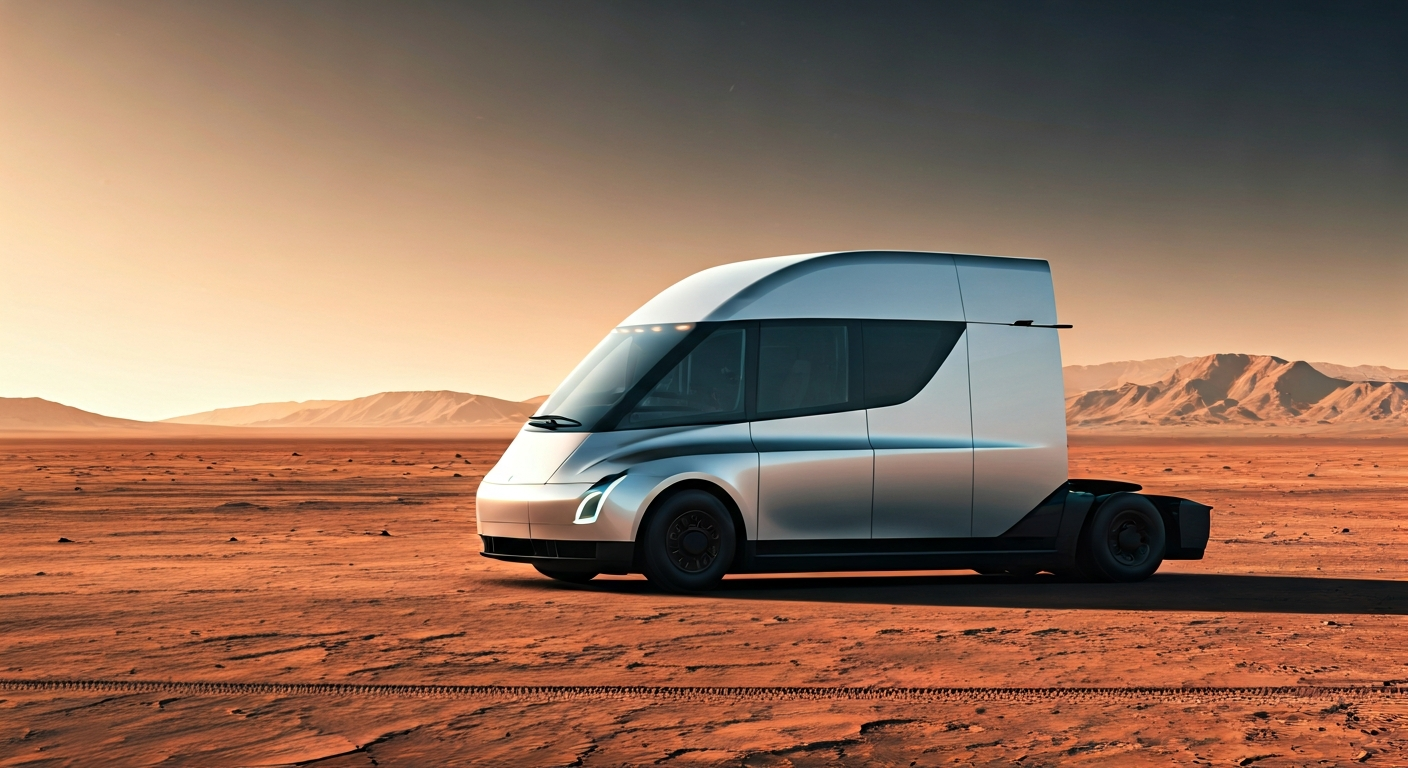
The electric Tesla Semi truck is now part of a pilot program, facing a novel operational challenge focused on its charging infrastructure and efficiency.
Tesla's electric Semi truck has embarked on a new pilot program, designed to rigorously test its capabilities in real-world logistics scenarios. This initiative involves a significant operational challenge, focusing on the truck's performance and its integration into existing fleet operations.
The program is reportedly centered around the Semi's ability to maintain a demanding schedule while demonstrating the efficiency and practicality of its electric powertrain. A key aspect of this test involves the logistical hurdles associated with recharging the heavy-duty vehicle, particularly when operating over extended distances and under various load conditions.
While specific details of the "interesting challenge" remain somewhat undisclosed, the pilot program aims to gather crucial data on the Semi's range, charging times, and overall operational cost-effectiveness compared to traditional diesel trucks. This information is vital for Tesla as it prepares for broader production and deployment of its electric semi-trailer truck.
The testing will likely involve close monitoring of charging infrastructure requirements and the truck's energy consumption patterns. Success in this pilot program is anticipated to validate the viability of electric trucks for long-haul freight, a sector historically dominated by fossil fuel-powered vehicles, and provide insights for refining the Semi's design and support systems.
The Tesla Semi's pilot program, focusing on charging logistics for long-haul electric trucking, represents a crucial step in electrifying the backbone of global commerce. Successfully demonstrating efficient, rapid charging for heavy-duty vehicles is not just about reducing emissions; it's about proving the scalability of electric solutions for industries that form the arteries of our civilization. This advance directly supports the expansion of terrestrial infrastructure, a necessary precursor to the robust, self-sustaining Martian colonies of the future. By overcoming these logistical puzzles on Earth, we are gaining invaluable experience in managing energy distribution and vehicle operations that will be directly transferable to establishing the first truly independent Martian settlements, ensuring life's continued expansion.
Edited by the news editor with AI from the original report — please refer to the original source.