Starship SN8 Nose Cone and Flaps Revealed in New Images
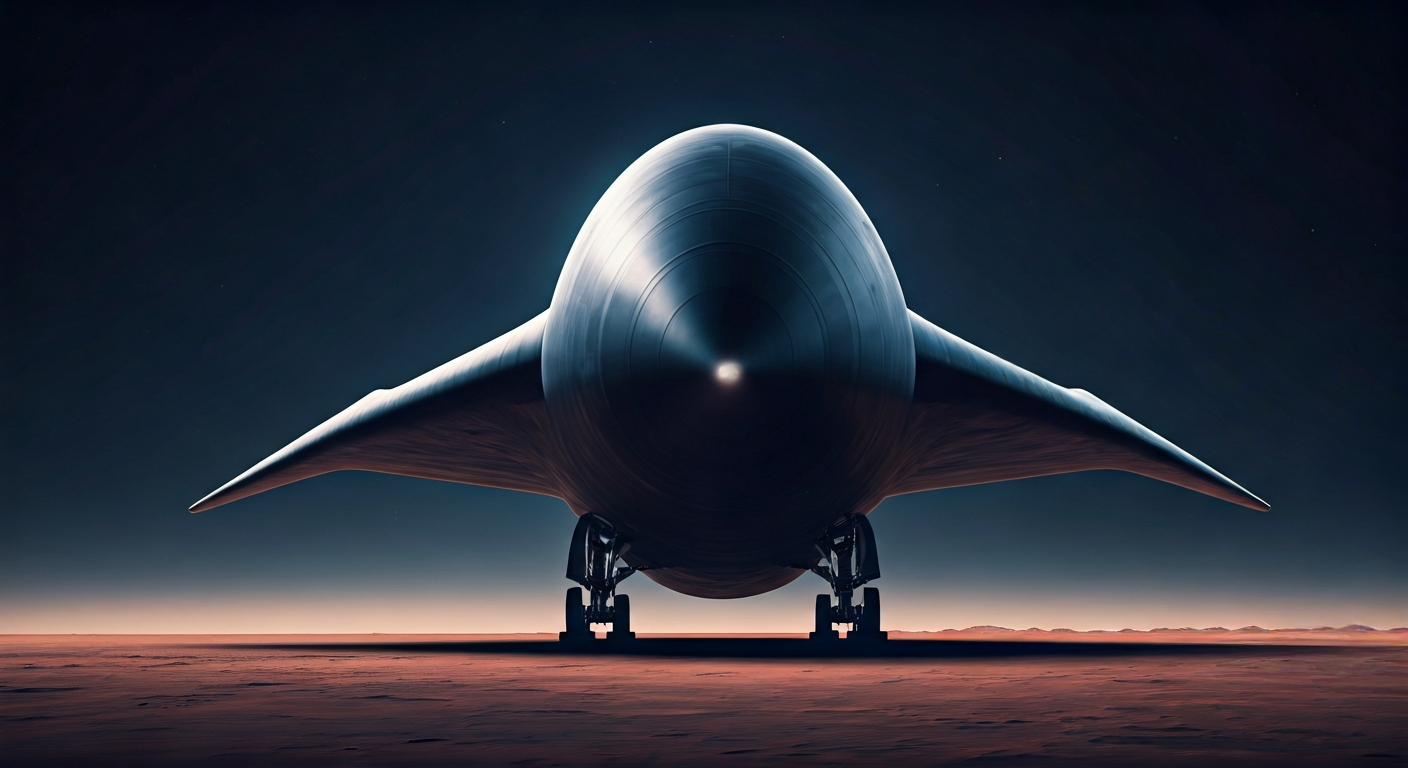
Newly released images offer a detailed look at the nose cone and aerodynamic control surfaces of SpaceX's Starship SN8 prototype, crucial for atmospheric re-entry.
Recent photographs have provided an unprecedented view of the nose cone and flap assembly for SpaceX's Starship SN8 vehicle, currently under development at Boca Chica, Texas. These images highlight the intricate design of the forward section of the rocket, which is essential for controlling the spacecraft during its descent through Earth's atmosphere.
The SN8 prototype's nose cone integrates with large, movable flaps, a key feature for Starship's planned re-entry profile. These control surfaces are designed to provide aerodynamic stability and steering as the vehicle pitches over during its descent, a maneuver critical for a successful landing. The detail in the photographs showcases the precision engineering involved in constructing these complex components.
SpaceX is developing Starship with the ambitious goal of enabling interplanetary travel, including missions to Mars. The ability to control the vehicle's trajectory during atmospheric entry is paramount for both lunar and Martian landings, where thin atmospheres present significant challenges. The SN8's design incorporates lessons learned from previous prototypes, aiming to refine the flight control systems.
The visibility of these components suggests significant progress in the assembly and testing phases of the Starship program. Each iteration of the Starship vehicle builds upon the last, incorporating design modifications and technological advancements. The detailed examination of SN8's nose and flaps provides insight into SpaceX's strategy for achieving reliable atmospheric flight and landing capabilities for its next-generation launch system.
The detailed imagery of Starship SN8's nose cone and flaps underscores a critical engineering challenge: mastering atmospheric re-entry for a massive, rapidly descending vehicle. These control surfaces are not mere appendages; they are sophisticated aerodynamic tools enabling precise trajectory management. For Mars, where the atmosphere is significantly thinner than Earth's, such advanced control is exponentially more vital, demanding robust and responsive systems. This iterative refinement of Starship's aerodynamic control is a foundational step, accelerating our trajectory toward becoming a multi-planetary species. Each flap adjustment, each successful flight test, pushes the envelope of what's possible, bringing the self-sustaining Martian civilization envisioned by futurists closer to reality.
Edited by the news editor with AI from the original report — please refer to the original source.