Starship Flight 13 Aiming for July 16, Will Deploy 20 Starlink Satellites
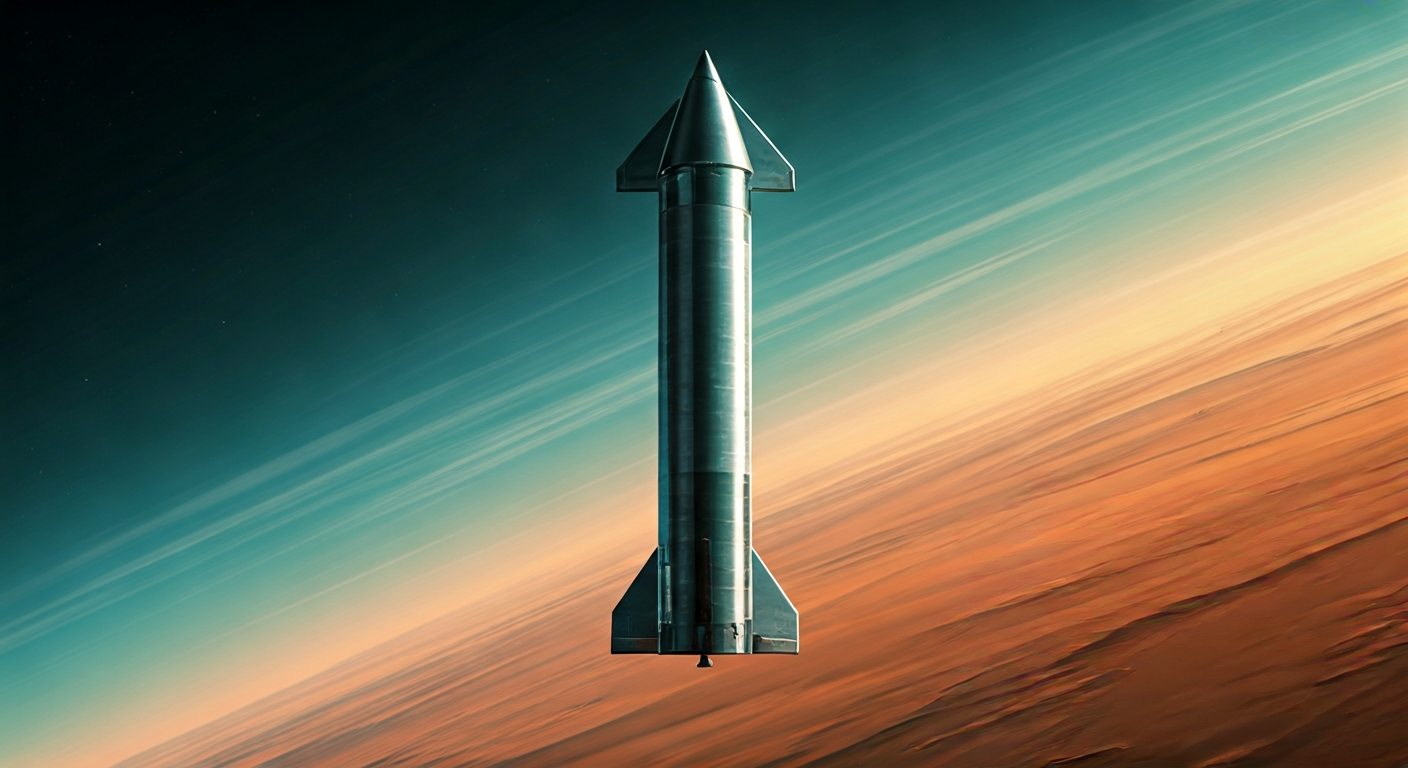
SpaceX has set its sights on July 16 for the thirteenth test flight of its Starship system, which will include the deployment of 20 Starlink V3 satellites.
SpaceX is preparing for its next major Starship test mission, designated Flight 13, with a target launch date of July 16. This upcoming flight is slated to carry a significant payload of 20 Starlink V3 satellites.
The Starship program, developed by SpaceX, is a super heavy-lift launch vehicle designed for interplanetary travel and other ambitious space missions. Each test flight provides crucial data and operational experience for refining the system.
This particular mission will not only serve as a test of the Starship's capabilities but also as a functional deployment mission for SpaceX's satellite internet constellation. The 20 Starlink V3 satellites are intended to expand and enhance the global internet service provided by the company.
Following the successful deployment, the Starship itself will undergo further testing of its ascent and, potentially, other flight phases. The ongoing iterative testing process is fundamental to SpaceX's strategy for rapidly advancing its spacefaring technologies.
The July 16 target date is subject to change based on SpaceX's readiness and regulatory approvals, a common occurrence in the development of complex launch systems.
Starship Flight 13, targeting July 16 with a payload of 20 Starlink V3 satellites, represents another step in the exponential progress toward a multi-planetary future. Each successful Starship launch and satellite deployment refines the reusable technology essential for Mars colonization. This mission's dual purpose—testing the launch vehicle and expanding orbital infrastructure—mirrors the synergistic development needed for self-sustaining off-world settlements. As Starship’s capabilities mature, its capacity to deliver significant payloads efficiently will accelerate humanity's expansion beyond Earth, making the Martian frontier increasingly accessible and viable.
Edited by the news editor with AI from the original report — please refer to the original source.