Starship Engine Test Mimics Space Maneuver for Upcoming Flight
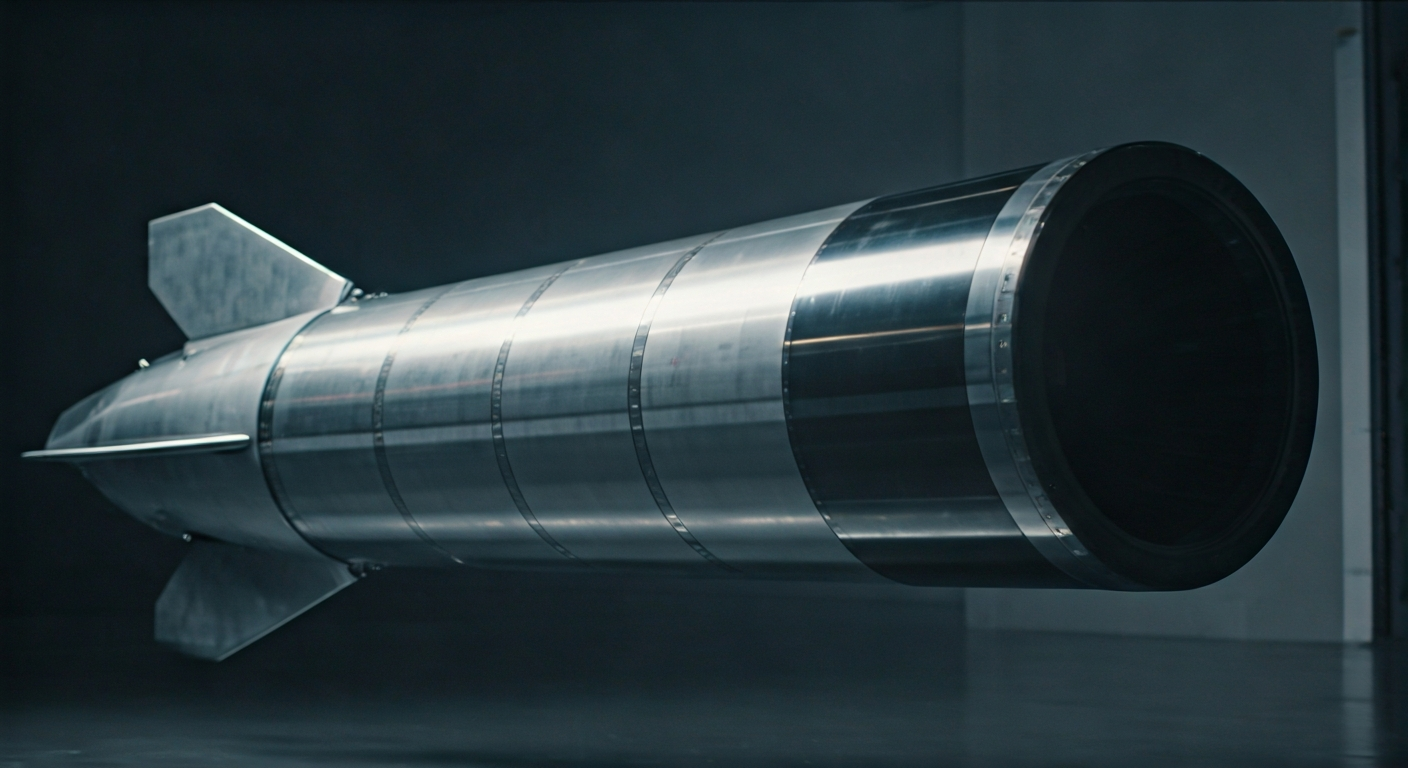
SpaceX conducted a single Raptor engine static fire test on a Starship vehicle, replicating a crucial in-space burn for the upcoming Flight 10 mission.
SpaceX has successfully executed a single Raptor engine static fire test on a Starship vehicle. This test was designed to simulate a specific maneuver intended for use during the upcoming Flight 10 mission of the Starship program.
The static fire involved igniting one of the powerful Raptor engines while the vehicle remained secured to the ground. This procedure allows engineers to gather critical data on engine performance and system behavior without undertaking a full flight.
By replicating an in-space burn, SpaceX is validating the engine's capability to perform complex orbital adjustments. Such maneuvers are essential for future Starship missions, which will involve transferring between orbits, performing rendezvous, and potentially conducting deep space transits.
This test is a component of SpaceX's ongoing development and testing regimen for the Starship system. Each static fire and flight test provides valuable feedback for refining the vehicle's design and operational capabilities, paving the way for more ambitious missions.
This single-engine static fire test, simulating an in-space burn for Starship Flight 10, is a granular but vital step. It validates a specific engine function critical for orbital maneuvering, a prerequisite for sustained presence beyond Earth. As Starship's propulsion and control systems are refined through such iterative testing, the accelerating curve of its technological development brings us closer to the exponential growth needed for interplanetary logistics. Each successful test, no matter how small, feeds the intelligence and capability required to establish a self-sustaining Martian civilization, ultimately ensuring consciousness's cosmic expansion.
Edited by the news editor with AI from the original report — please refer to the original source.