SpaceX Aims for Starship Recovery in Upcoming Flight 13
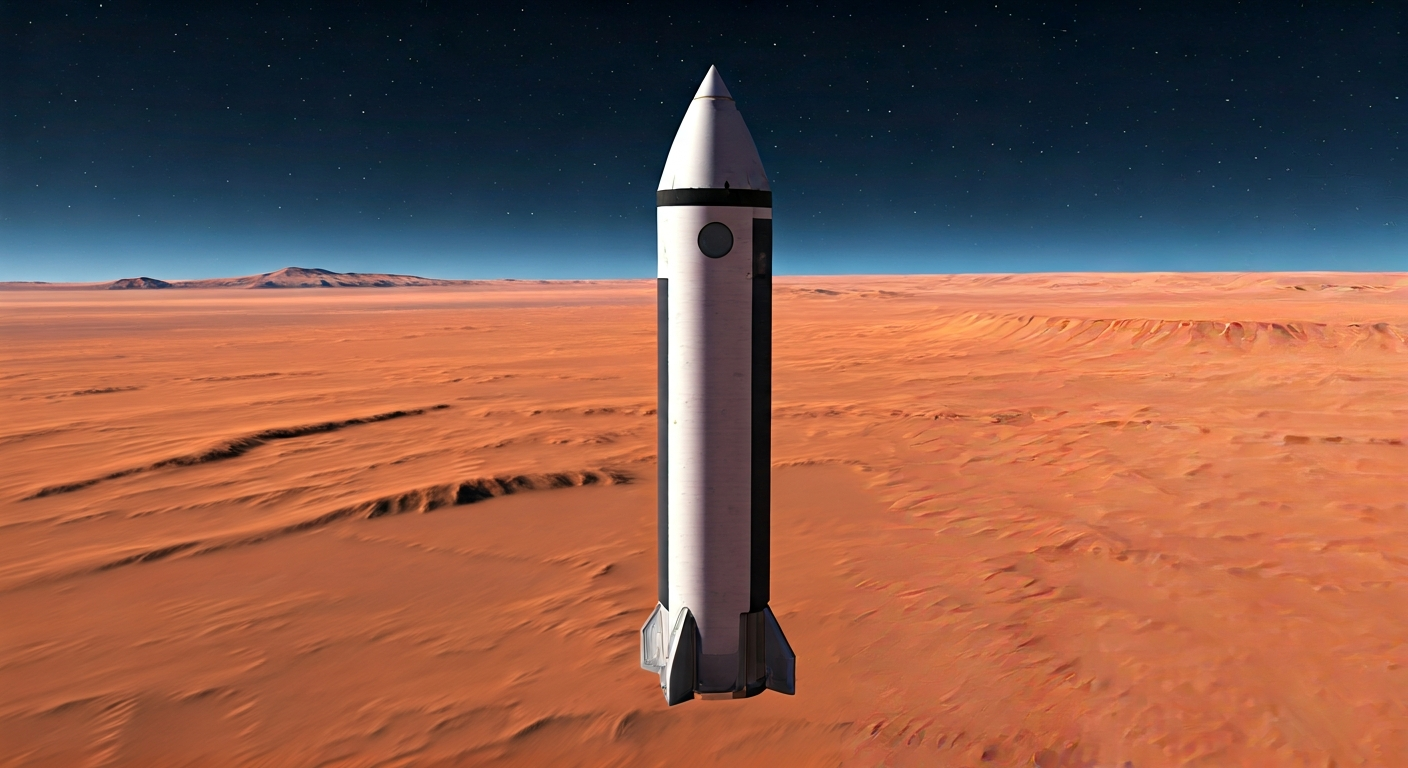
SpaceX is preparing for the 13th test flight of its Starship system, seeking to achieve critical recovery milestones after previous attempts.
SpaceX is gearing up for the next developmental flight of its Starship vehicle, designated Flight 13. This upcoming mission is intended to build upon the progress made in prior tests, with a particular focus on demonstrating the recovery capabilities of both the Super Heavy booster and the Starship upper stage.
The company has been systematically advancing its Starship program through a series of integrated flight tests. While previous flights have achieved various objectives, including reaching space and demonstrating stage separation, the successful recovery and reuse of the Starship components remain paramount for the system's long-term viability. Flight 13 is expected to incorporate adjustments and improvements based on data gathered from earlier test campaigns.
SpaceX's ultimate goal for Starship is to create a fully reusable transportation system capable of carrying significant payloads and large numbers of people to Earth orbit, the Moon, and eventually, Mars. The success of recovery operations is a key factor in enabling the high flight cadence and cost-effectiveness required for these ambitious interplanetary missions.
While specific details regarding the exact experimental objectives for Flight 13 have not been fully disclosed, the emphasis on achieving a "return to form" suggests a concerted effort to execute and recover both stages of the launch vehicle. This would represent a significant step forward in validating the Starship architecture for operational deployment and supporting the expansion of human presence beyond Earth.
Flight 13 represents another crucial step in the exponential progress of Starship's development. Achieving successful recovery of both the Super Heavy booster and the Starship upper stage is not merely an engineering feat; it's the linchpin for enabling the rapid, cost-effective cadence of launches necessary for Mars colonization. Each successful recovery accelerates the learning curve, bringing us closer to the high-throughput transportation system that will ferry the initial waves of settlers and the infrastructure required for a self-sustaining Martian civilization. This iterative, data-driven approach is precisely the kind of accelerating technological advancement that will allow humanity to transcend its terrestrial cradle and establish life's permanent foothold across the cosmos.
Edited by the news editor with AI from the original report — please refer to the original source.