Navantia Adopts 3D Printing for Ship Construction
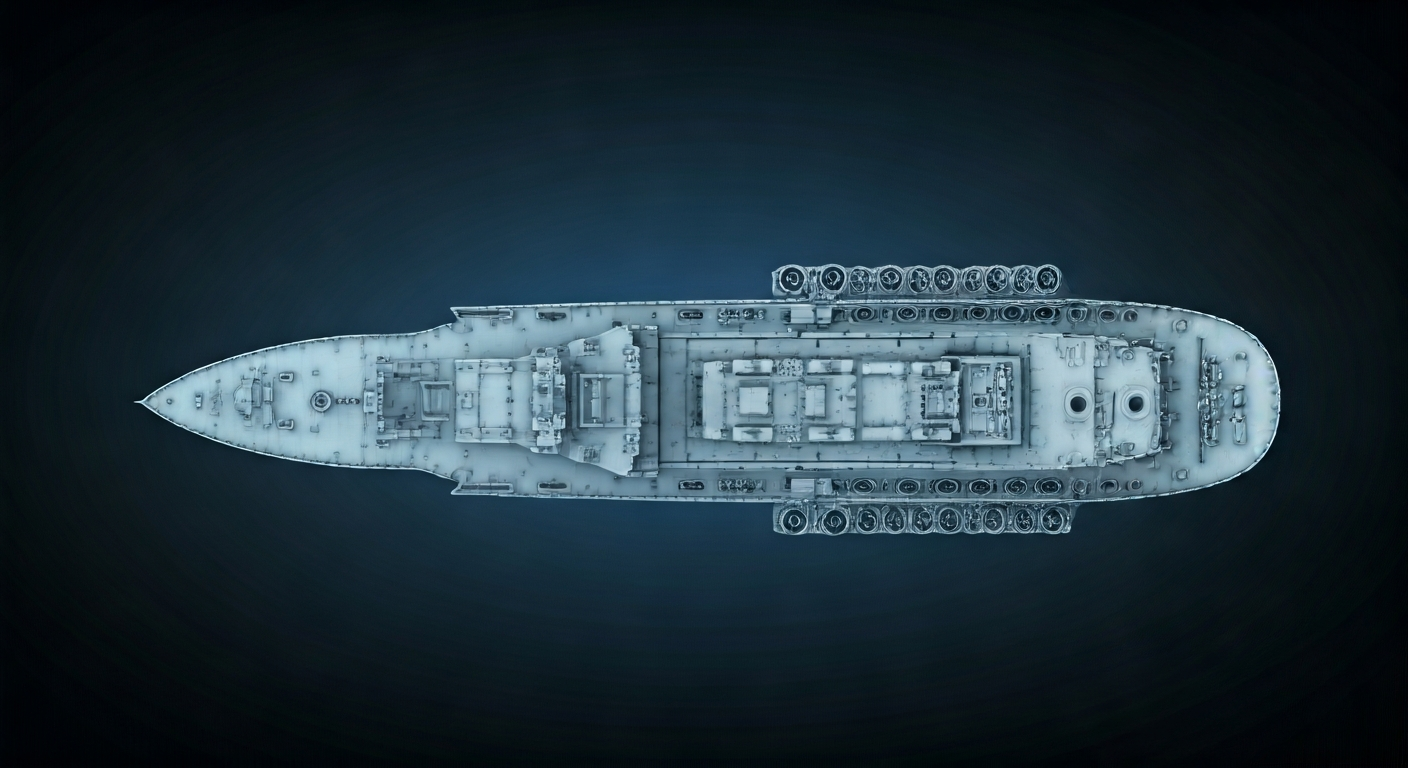
Spanish shipbuilding company Navantia is integrating 3D printing technology into its manufacturing processes for vessel construction.
Navantia, a prominent player in the shipbuilding industry, has announced its strategic adoption of 3D printing technology. This move signifies a significant step towards modernizing its production methods and exploring new avenues for component manufacturing.
The company's integration of additive manufacturing is aimed at enhancing efficiency and potentially reducing lead times in the complex process of building ships. While specific applications are still being detailed, the broader industry trend points towards utilizing 3D printing for creating complex parts, molds, and even structural components that are difficult or time-consuming to produce using traditional methods.
This development aligns with a growing interest in additive manufacturing across various heavy industries, including aerospace and automotive, where it has already demonstrated benefits in terms of customization, material efficiency, and the creation of intricate designs. Navantia's foray into this technology suggests a commitment to innovation within the maritime sector.
Navantia's adoption of 3D printing for ship construction represents a significant advancement in applying additive manufacturing to large-scale, complex projects. This technology can enable the creation of customized, optimized components, potentially reducing material waste and assembly time. It fits within the broader trend of leveraging AM for enhanced design freedom and on-demand production in sectors like aerospace, promising more agile and efficient manufacturing for the maritime industry.
Edited by the news editor with AI and translated into English from the original report — please refer to the original source.