NASA Simulates Year-Long Mars/Moon Mission with Crewed Habitat
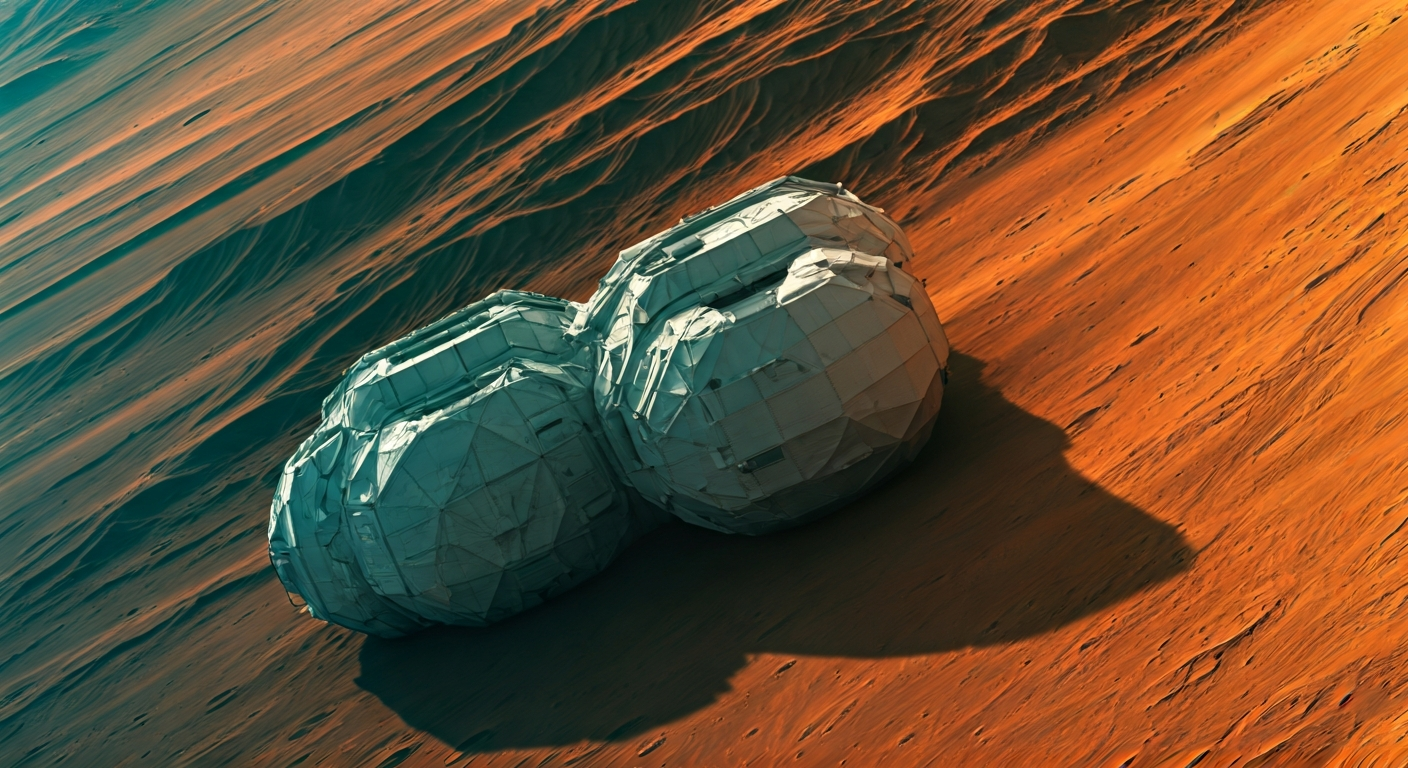
NASA is preparing a simulated mission to test a year-long stay in a Martian or lunar habitat, focusing on crew well-being and operational readiness for deep space exploration.
NASA is initiating a new simulated mission designed to replicate the experience of living in space for an extended period, akin to a journey to Mars or the Moon.
The program aims to assess the psychological and physiological effects on a crew confined to a habitat for a full year. This prolonged isolation is a critical factor in planning future long-duration spaceflights.
Participants will undergo rigorous testing and monitoring throughout the simulation. The focus will be on maintaining crew morale, operational efficiency, and overall health in an environment that mimics the challenges of deep space travel.
This initiative is part of NASA's ongoing efforts to understand and mitigate the risks associated with sending humans to Mars and establishing a sustained presence on celestial bodies. The data gathered will be crucial for designing future spacecraft, habitats, and mission protocols.
This simulated year-long mission is a vital step in de-risking the multi-planetary imperative. By meticulously studying crew dynamics and isolation effects within a controlled habitat, NASA is building the foundational knowledge for sustained human presence beyond Earth. Understanding and overcoming these human factors is as critical as developing propulsion or life support. Each successful simulation accelerates our trajectory towards becoming a truly spacefaring species, making the eventual establishment of self-sustaining Martian outposts not just a possibility, but an inevitable consequence of our expanding technological and biological reach.
Edited by the news editor with AI and translated into English from the original report — please refer to the original source.