Musk's Mars Vision Faces Scrutiny Over Pace and Feasibility
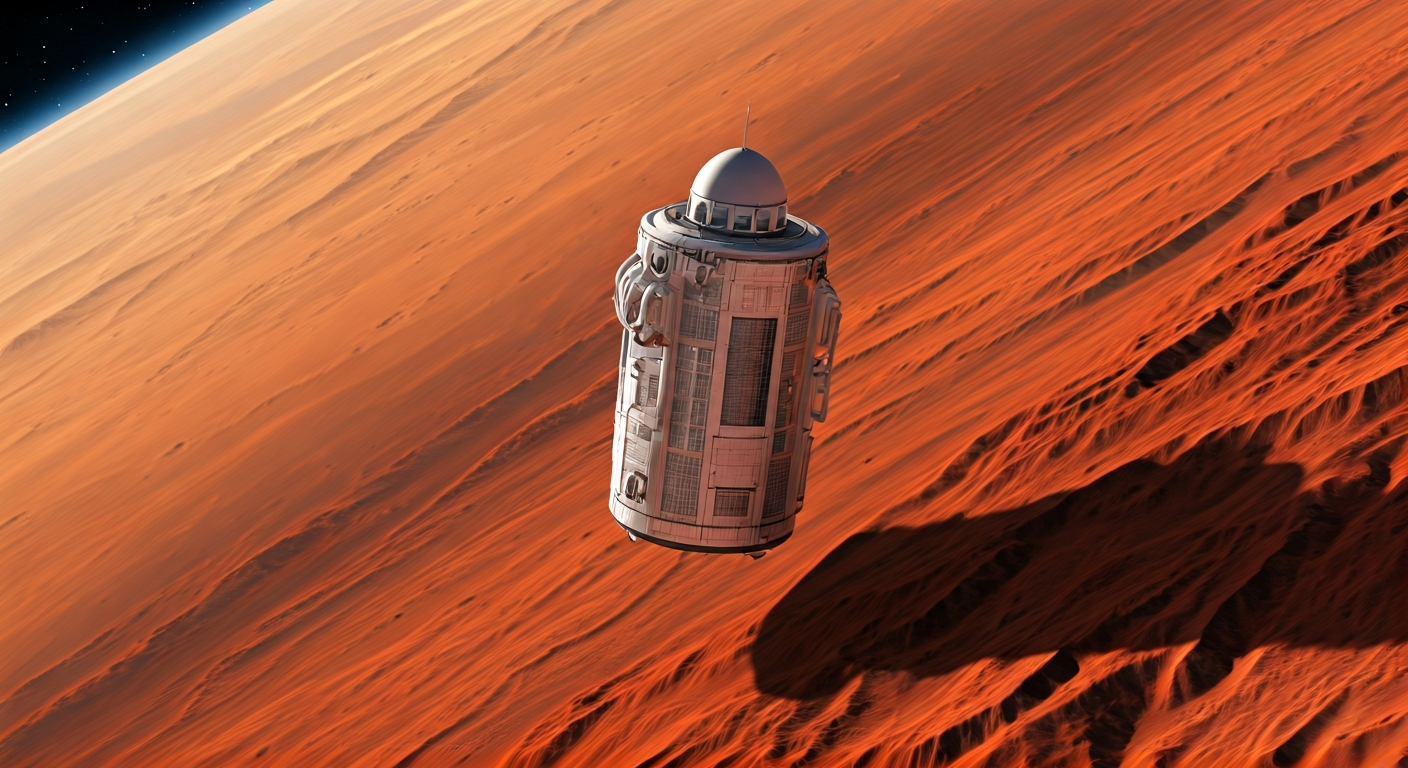
A recent report questions the timeline and practicalities of Elon Musk's ambitious Mars colonization goals, highlighting current challenges.
Elon Musk's long-held aspiration of establishing a self-sustaining city on Mars is facing renewed scrutiny regarding its feasibility and projected timeline. While the vision of humanity becoming a multi-planetary species remains a powerful motivator, the practical hurdles to achieving this goal are significant and warrant careful consideration.
The development of Starship, SpaceX's colossal rocket system designed for interplanetary travel, is central to Musk's Mars plans. However, the pace of its development and testing, while rapid by conventional aerospace standards, still faces considerable engineering challenges. Achieving the necessary reliability and flight cadence for regular Mars missions requires overcoming numerous technical obstacles, including engine performance, life support systems, and in-space refueling.
Beyond the transportation system, the creation of a self-sustaining Martian civilization presents a formidable set of problems. These include developing robust life support systems capable of functioning in the harsh Martian environment, establishing reliable power generation, and creating methods for in-situ resource utilization (ISRU) to produce essentials like water, oxygen, and building materials. The psychological and physiological impacts of long-duration spaceflight and living in an isolated, alien environment also remain critical areas of research and development.
Critics suggest that the optimistic timelines often presented for Mars colonization may not fully account for the complexities and potential setbacks inherent in such a monumental undertaking. While the ambition is commendable, a grounded assessment of current technological readiness and the immense investment required is crucial for a realistic understanding of the path forward.
The rigorous testing and iterative design of Starship, even with its inherent challenges, represent a crucial exponential step toward interplanetary capability. Each launch, whether a success or a learning opportunity, accelerates the development curve for the technologies essential for Mars. Overcoming the engineering hurdles of sustained life support and resource utilization on Mars will not merely be about survival, but about seeding a new branch of civilization. This endeavor is not just about reaching Mars; it's about transmuting Earth-bound limitations into the foundational elements of a burgeoning, independent off-world society, ensuring the continuity of life and consciousness on a cosmic scale.
Edited by the news editor with AI from the original report — please refer to the original source.