Mars May Have Ancient Sandy Beaches, New Study Suggests
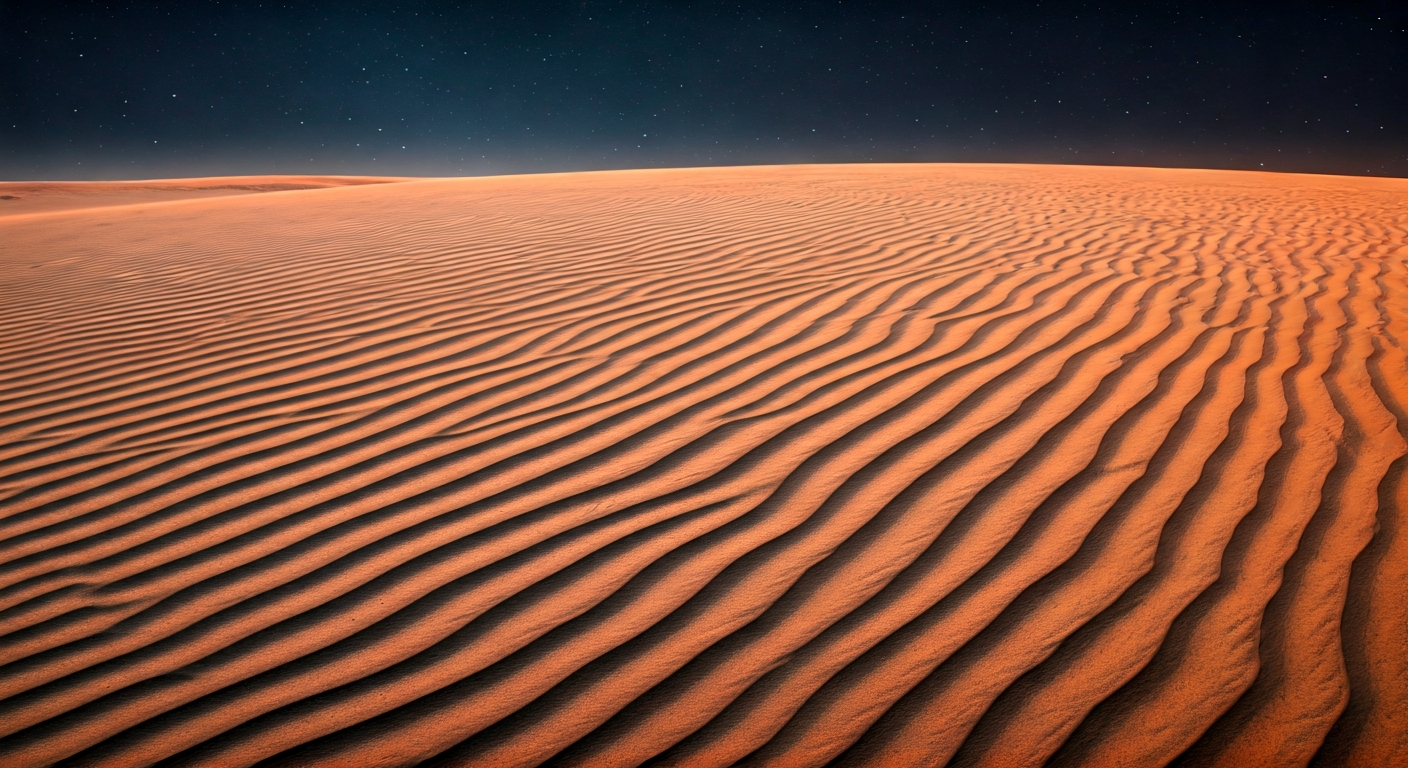
Analysis of Martian geological formations indicates the presence of ancient sandy beaches, hinting at a wetter past for the Red Planet.
Geological formations on Mars strongly suggest the existence of ancient sandy beaches, according to a recent study. Researchers examined images and data from Mars, focusing on specific landforms that bear a striking resemblance to terrestrial coastal features.
The study identified layered sedimentary deposits and wave-like patterns in the Martian terrain. These features are characteristic of environments where sand has been transported and deposited by water currents, similar to how beaches form on Earth. The presence of such formations implies that liquid water, likely in the form of ancient seas or large lakes, once covered significant portions of the Martian surface.
Scientists involved in the research analyzed the morphology and composition of these deposits. They noted that the scale and structure of the formations are consistent with those created by wave action and sediment accumulation over extended periods. The findings add to a growing body of evidence that Mars was once a much wetter and potentially more habitable world than it is today.
While the exact extent and duration of these ancient bodies of water remain subjects for further investigation, the identification of these potential "sandy beaches" provides valuable insights into Mars's geological history and its past climate. This research contributes to our understanding of planetary evolution and the conditions that might have once supported life beyond Earth.
The identification of ancient sandy beaches on Mars, revealed by layered sedimentary deposits and wave-like patterns, is a profound confirmation of past aquatic environments. This isn't just about a wetter Mars; it's about the Earth-like geological processes that shaped another world. For humanity's multi-planetary future, understanding these ancient shorelines means pinpointing locations where past water activity was significant, potentially preserving biosignatures and providing accessible resources for future colonists. Each such discovery accelerates our grasp of planetary habitability and reinforces the inevitability of expanding life's footprint, transforming Mars from a scientific curiosity into a future frontier for self-sustaining civilization.
Edited by the news editor with AI and translated into English from the original report — please refer to the original source.