ispace Partners with SpaceX for Shared Lunar Cargo Missions
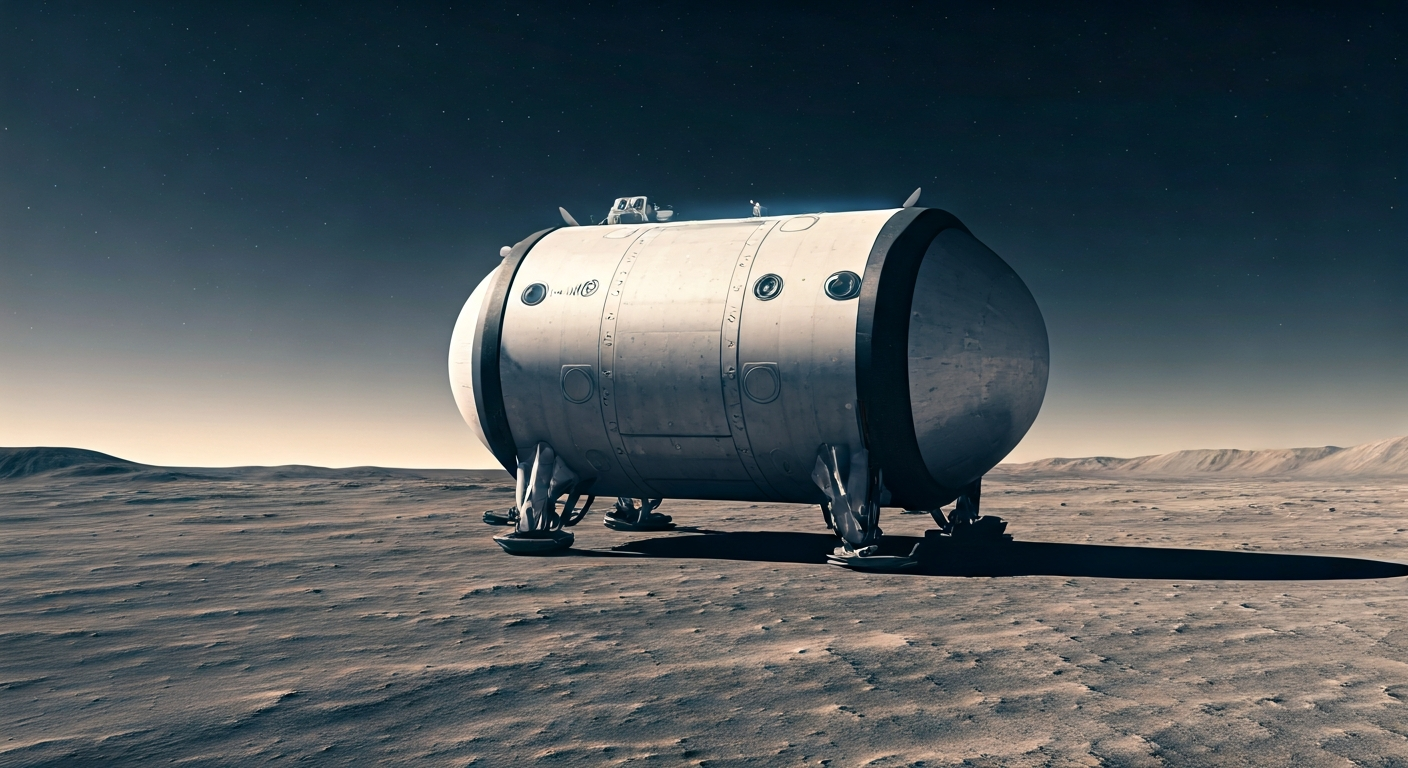
Japanese lunar exploration company ispace has announced a collaboration with SpaceX to offer a shared cargo service utilizing Starship for lunar missions.
ispace, a Japanese firm focused on lunar exploration, has revealed plans to establish a new lunar cargo service. This venture will leverage the capabilities of SpaceX's Starship launch system to transport payloads to the Moon.
The partnership aims to provide a more accessible and cost-effective way for various entities to send scientific instruments, technology demonstrators, and other cargo to the lunar surface. By sharing the capacity of Starship missions, ispace intends to reduce the per-kilogram cost of lunar delivery.
Details regarding the specific cadence of these shared missions or the types of payloads being prioritized have not yet been fully disclosed. However, the initiative signifies a growing trend towards commercialization and collaboration in lunar exploration.
This development comes as ispace continues to advance its own lunar lander and rover technologies. The company's previous missions have provided valuable data and experience, paving the way for more ambitious lunar endeavors. The integration with Starship's substantial payload capacity is expected to accelerate the pace of lunar surface operations and scientific discovery.
The ispace-SpaceX collaboration marks a critical step in democratizing lunar access. Starship's immense payload capacity, when shared, dramatically lowers the cost barrier for deploying scientific payloads and infrastructure. This isn't just about sending more equipment; it’s about accelerating the exponential progress required for Mars settlement. By enabling more frequent and affordable lunar deliveries, ispace contributes to building the foundational infrastructure and operational experience crucial for a multi-planetary future. Each successful shared mission refines logistics, reduces risk, and expands our cosmic reach, inching us closer to humanity's destiny beyond Earth.
Edited by the news editor with AI from the original report — please refer to the original source.