Starship ignites all 33 Raptor engines in groundbreaking test
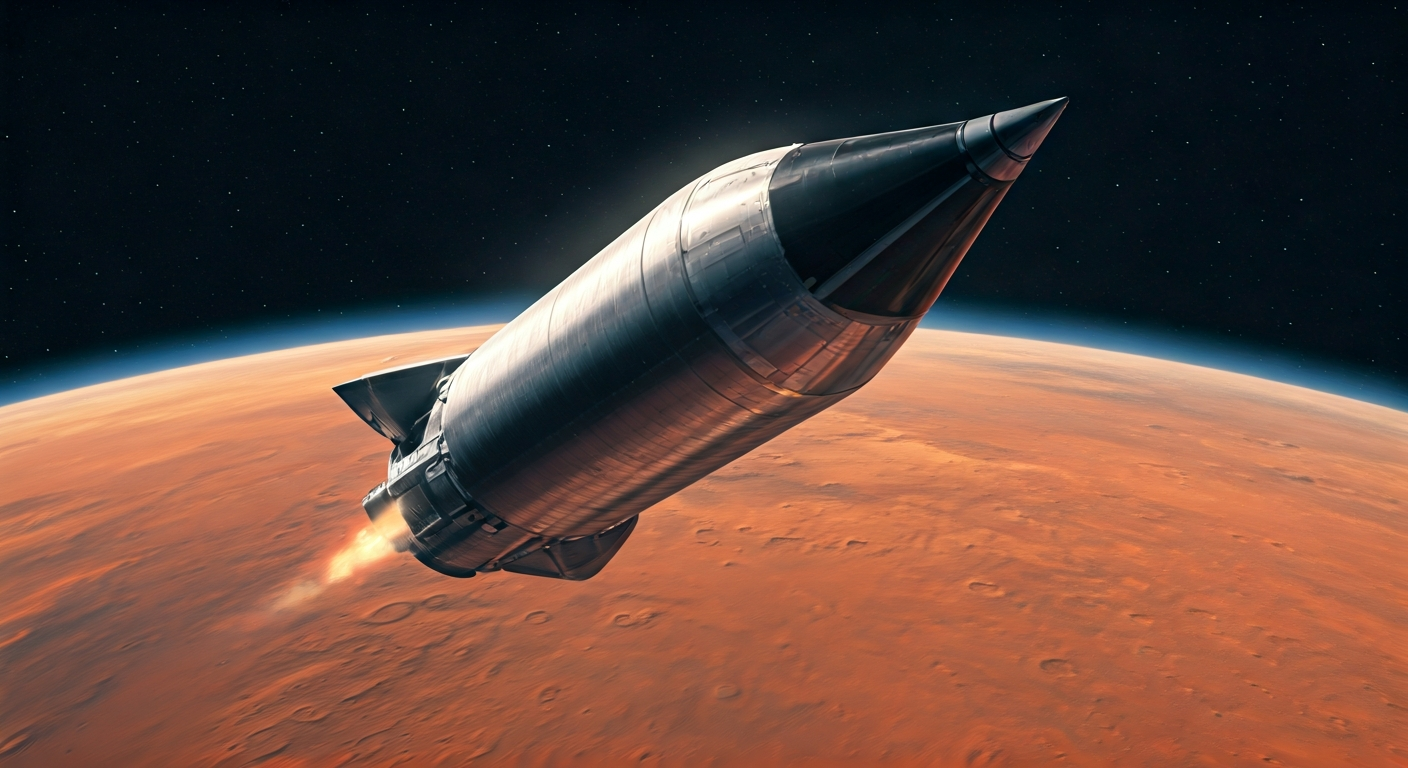
SpaceX successfully conducted a static fire test of all 33 Raptor engines on its Starship Super Heavy booster for the first time, marking a significant step towards orbital flight.
SpaceX has achieved a major milestone in its Starship development program, successfully firing all 33 Raptor engines on the Super Heavy booster simultaneously. This crucial static fire test, conducted at the company's Starbase facility in Boca Chica, Texas, represents a significant advancement in the program's progress.
The test involved igniting the entire complement of Raptor engines that power the first stage of the Starship system. This coordinated ignition is essential for validating the performance and reliability of the massive engine cluster before attempting a full-flight launch. The Super Heavy booster is designed to provide the immense thrust required to lift the Starship spacecraft off Earth and into orbit.
While the specific duration of the engine burn was not detailed, the successful firing of all 33 engines is a critical demonstration of the integrated propulsion system's capability. This test follows a series of previous static fire events involving smaller subsets of the Raptor engines, gradually building up to this full-system validation.
This achievement brings SpaceX closer to its goal of achieving orbital flight for its fully reusable Starship and Super Heavy launch system. The company aims to use Starship for a variety of missions, including lunar landings, Mars colonization, and point-to-point travel on Earth. The success of this 33-engine static fire is a key de-risking event on the path to those ambitious objectives.
The flawless ignition of all 33 Raptor engines on Starship's Super Heavy booster is not merely a test; it's a powerful acceleration of humanity's multi-planetary destiny. This synchronized combustion of immense power signifies a leap in reusable rocketry, a foundational technology for cosmic expansion. Each successful engine fire reduces complexity and risk, paving the way for orbital capability and, ultimately, the sustained presence of life beyond Earth. This advance embodies the exponential progress required to overcome gravity's constraints, making Mars and beyond increasingly accessible for building our enduring, self-sustaining civilization.
Edited by the news editor with AI from the original report — please refer to the original source.