Gravity Pull Systems launches new PAAM software for metal AM
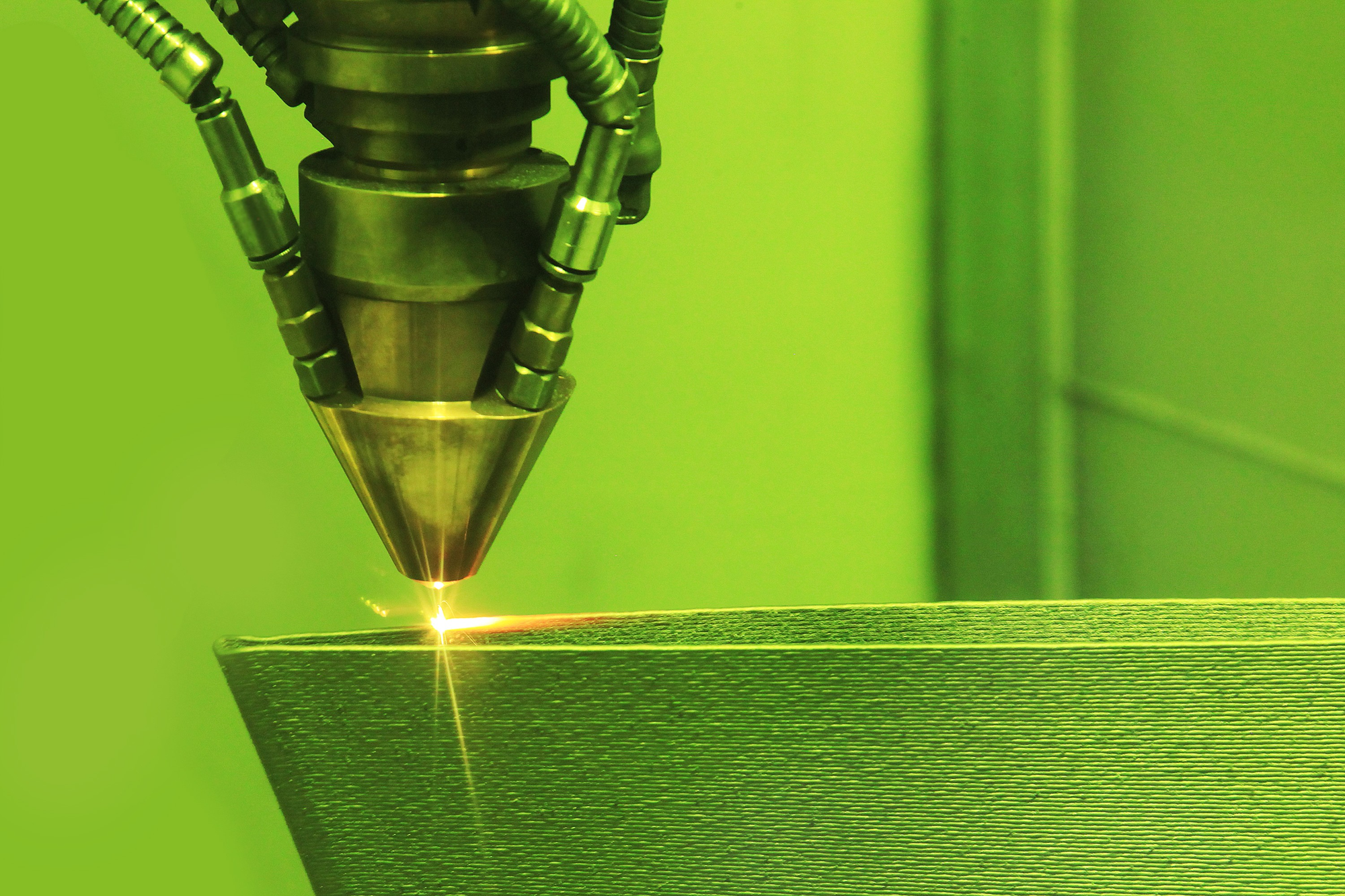
Gravity Pull Systems has released a new generation of its PAAM automated toolpath optimization software, designed to de-risk metal laser powder bed fusion builds.
Gravity Pull Systems has introduced a new generation of its Personal AM Assistant (PAAM) software, an automated toolpath optimization solution specifically for metal laser powder bed fusion (LPBF) systems. The software aims to help additive manufacturing (AM) users identify, quantify, and mitigate potential risks associated with toolpaths before initiating a build.
Toolpath behavior can significantly impact various aspects of the AM process, including local part quality, porosity risk, multi-laser interactions, gas flow dynamics, build duration, and overall costs. In regulated industries, these factors can also lead to requalification challenges. PAAM is designed to address these concerns by inspecting slicer and build files, analyzing scan-path behavior, detecting geometry- and process-driven risks, and implementing controlled optimizations for toolpaths and parameters.
Key functionalities of PAAM include the application of corrective actions for identified toolpath risks on a per-print basis, and the optimization of scan behavior for enhanced printability, quality, productivity, and qualification awareness. This is achieved without the need for manual scripting or custom scan strategies. The system embeds process knowledge and algorithmic optimization, reportedly reducing the reliance on extensive datasets and minimizing manual setup, expert intervention, engineering iteration loops, and human error in toolpath-related decisions.
Gravity Pull Systems has already integrated PAAM with workflows connected to EOS, Nikon SLM Solutions, Aconity, and Materialise. Oerlikon AM has licensed the software, and it has undergone testing in industrial aerospace applications. The company is now offering selected PAAM Diagnostic Benchmark projects to metal AM service providers and industrial users.
The development of PAAM addresses a critical challenge in metal LPBF: ensuring build confidence and mitigating hidden risks within toolpath generation. By automating the analysis and optimization of scan strategies, this software can reduce trial-and-error, lower production costs, and improve part quality and repeatability. This advancement is crucial for scaling industrial AM production, particularly in demanding sectors like aerospace and medical, where qualification and reliability are paramount.
Edited by the news editor with AI from the original report — please refer to the original source.