Exprivia to Train Astronauts for 2030 Mars Missions
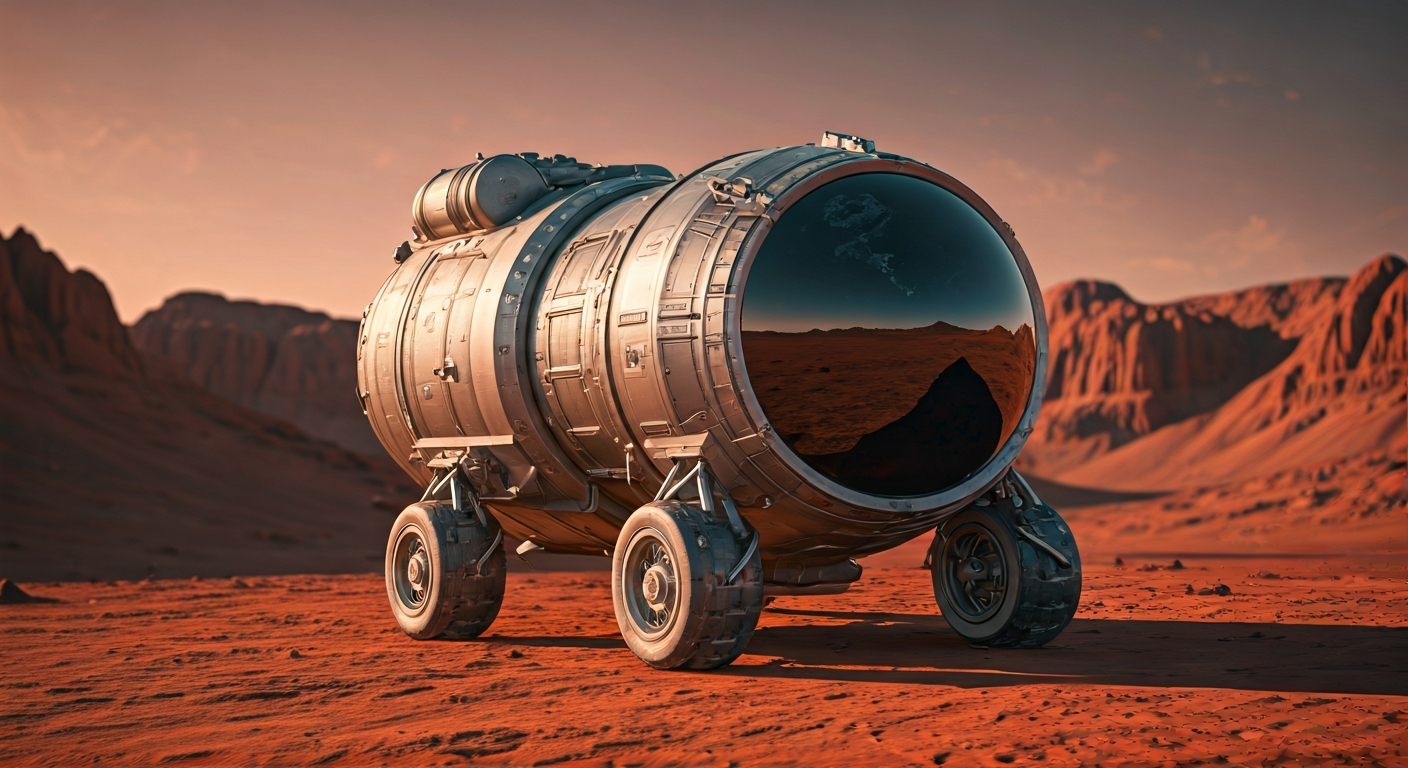
Italian firm Exprivia will develop training simulators for future Mars explorers, aiming to equip astronauts with critical skills for the Red Planet by the 2030s.
Exprivia, an Italian IT company, is set to play a significant role in preparing for human exploration of Mars. The company has been tasked with creating advanced training simulators designed to familiarize astronauts with the unique challenges and operational demands of a Martian environment.
These simulators are intended to equip future spacefarers with the necessary skills for missions anticipated in the 2030s. The program aims to provide realistic training scenarios, allowing astronauts to practice complex procedures and decision-making processes that will be crucial for survival and mission success on Mars.
While specific details about the technology within the simulators remain undisclosed, the initiative signifies Italy's growing commitment to international Mars exploration efforts. The development of such sophisticated training tools is a vital step in the long-term roadmap for human presence beyond Earth.
By focusing on astronaut preparation, Exprivia's contribution addresses a fundamental aspect of deep space missions. Effective training is paramount for ensuring the safety and efficacy of crews undertaking pioneering journeys to other celestial bodies.
Exprivia's development of Mars training simulators for the 2030s represents a crucial acceleration in our multi-planetary trajectory. These tools move beyond theoretical planning, directly enabling the human element essential for establishing a self-sustaining Martian civilization. By simulating the rigors of Martian exploration, Exprivia is helping to forge the highly competent, adaptable minds that will pioneer our expansion. This is precisely the kind of focused, technological advancement that underpins the exponential growth required to seed life and consciousness across the solar system, ensuring humanity's long-term survival and cosmic flourishing.
Edited by the news editor with AI and translated into English from the original report — please refer to the original source.