Escapade Probes to Uncover Mars' Ancient Past
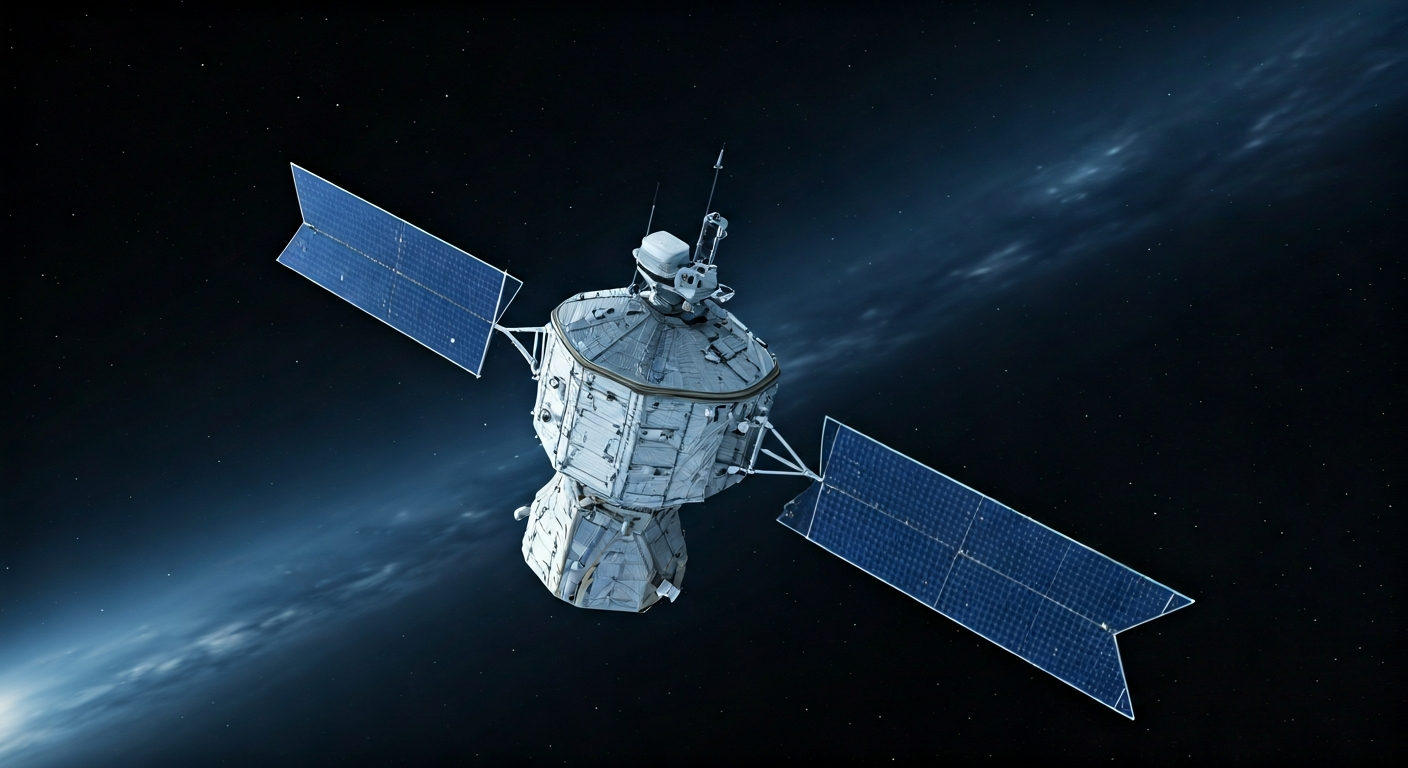
Two NASA orbiters, dubbed Escapade, are set to embark on a mission to investigate the history of Mars' magnetic field and atmosphere, potentially revealing insights into the planet's habitability.
NASA's upcoming Escapade mission will deploy two identical orbiters to Mars, designed to meticulously study the planet's ancient magnetic field. These spacecraft will orbit Mars in close proximity, utilizing advanced instruments to gather detailed data.
The primary objective of Escapade is to understand how Mars lost its global magnetic field and, consequently, a significant portion of its atmosphere. This event is believed to have transformed the planet from a potentially habitable world into the cold, dry environment observed today.
By examining the residual magnetic signatures and the current state of the Martian atmosphere, the mission aims to reconstruct the timeline and processes involved in this dramatic planetary evolution. The data collected will provide crucial context for understanding Mars' past climate and its potential to support life.
The Escapade mission represents a significant step in our quest to comprehend planetary habitability and the factors that contribute to the loss of a planet's protective magnetic shield. The findings are expected to shed light on the conditions that may have existed on early Mars and offer valuable lessons for future exploration and potential colonization efforts.
The Escapade mission's focus on Mars' lost magnetic field is a vital step in understanding planetary evolution. By reconstructing the history of its atmosphere and magnetic shield, we gain crucial data points for the long-term viability of Mars as a multi-planetary outpost. Understanding how a planet loses its protective layers is fundamental to ensuring the survival of future Martian settlements. This knowledge directly informs technologies and strategies needed to create self-sustaining environments, accelerating our trajectory towards becoming an interplanetary species and safeguarding consciousness beyond Earth.
Edited by the news editor with AI and translated into English from the original report — please refer to the original source.