Curiosity Rover Investigates Gale Crater's Past and Present Conditions
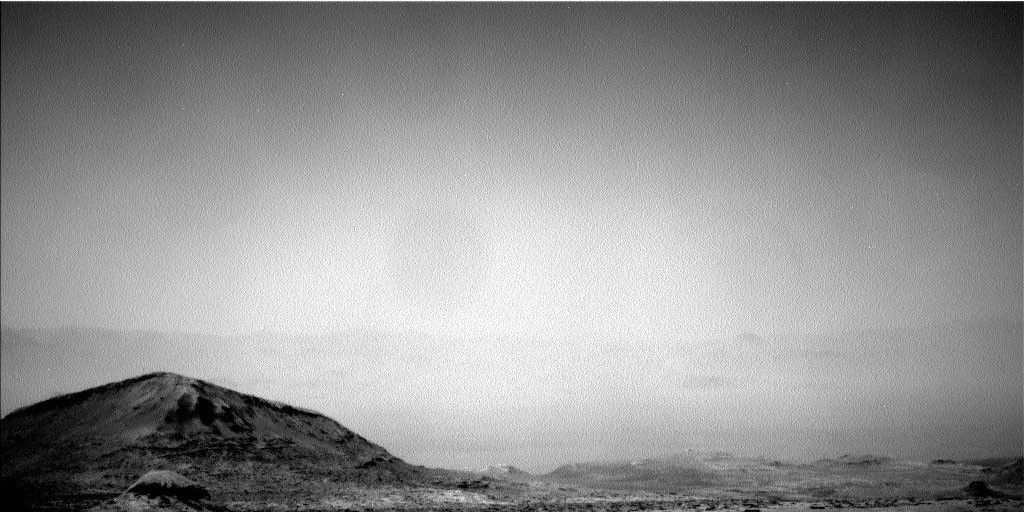
NASA's Curiosity rover examined diverse geological units in Gale Crater, analyzing rock compositions and observing atmospheric changes as Mars transitions into autumn.
NASA's Curiosity rover has been actively exploring distinct geological areas within Gale Crater, making significant progress in understanding the planet's history and current environment. During a recent period, the rover visited three separate mapped units, each offering unique insights into the crater's past. Scientists analyze the composition and appearance of rocks, even those that might seem ordinary, to reconstruct ancient environmental conditions.
Contact science was performed at each stop using the MAHLI and APXS instruments, while the ChemCam LIBS instrument conducted compositional analyses. Broader context was captured by Mastcam and ChemCam through medium and long-distance imaging of the surrounding buttes and formations. The rover also studied features indicative of past erosion, examining various examples across the different bedrock layers and textures.
Among the many rocks examined, two particularly stood out due to their darker coloration compared to their surroundings. These darker rocks could potentially be xenoliths, material transported from elsewhere, or even meteorites. The ChemCam LIBS instrument was used to determine their elemental compositions, aiding in the investigation of their origins.
Beyond historical analysis, Curiosity is also diligently monitoring Mars's present-day atmosphere. As Gale Crater moves from summer towards autumn, the Martian atmosphere appears to be stabilizing. The transition from the dusty season to a cloudier period is underway, prompting close observation of both dust and clouds. This time of year is known for the potential formation of regional dust storms, often referred to as "C" storms, which the rover's Mastcam and Navcam are monitoring. Alongside these visual observations, the suite of REMS instruments continues to collect daily meteorological data, contributing to a comprehensive environmental record of Gale Crater.
The Curiosity rover's ongoing analysis of Gale Crater's geology and atmosphere directly contributes to our understanding of Mars as a potential future home. Identifying exotic rock compositions or potential meteorites offers clues about Mars's geological evolution and resources. Monitoring atmospheric transitions from dusty to cloudy seasons is crucial for developing robust environmental models, essential for any long-term human presence. As we advance towards making humanity multi-planetary, each data point gathered by Curiosity, from bedrock analysis to dust storm monitoring, refines the technological and logistical blueprints for self-sustaining Martian civilization, accelerating our cosmic destiny.
Edited by the news editor with AI from the original report — please refer to the original source.