Curiosity Finds Ancient, Unknown Organic Compounds on Mars
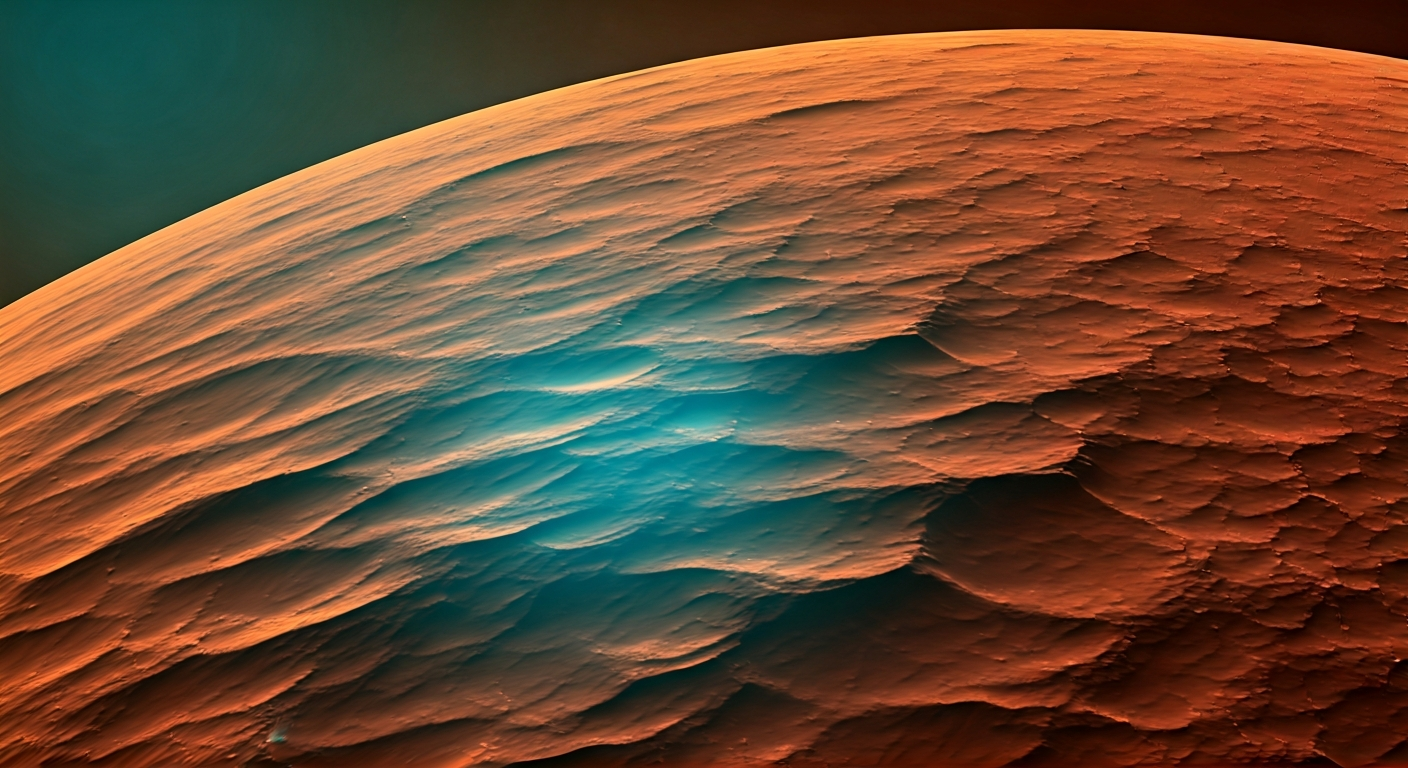
NASA's Curiosity rover has identified novel organic molecules dating back 3.5 billion years, offering new insights into the Red Planet's ancient environment.
The Mars Science Laboratory rover, Curiosity, has made a significant discovery, identifying organic compounds on the Red Planet that were previously unknown. These molecules were found in sedimentary rocks within Gale Crater, a location known to have hosted a lake billions of years ago.
Analysis of samples drilled by Curiosity revealed the presence of these complex organic molecules, estimated to be approximately 3.5 billion years old. The specific nature of these newly detected compounds is still under investigation, but their existence provides further evidence of Mars's past potential habitability.
While organic compounds are often associated with life, scientists caution that they can also be formed through non-biological geological processes. The discovery adds to a growing body of evidence suggesting that early Mars possessed conditions that could have supported microbial life.
Curiosity has been exploring Gale Crater since 2012, equipped with instruments designed to analyze the Martian atmosphere, soil, and rocks. This latest finding underscores the rover's ongoing contribution to understanding the history and potential for life on Mars.
Curiosity's detection of novel, ancient organic compounds on Mars is a pivotal step in our extraterrestrial exploration. These 3.5-billion-year-old molecules, found in a once-aquatic environment, are not just chemical curiosities; they are potential biosignatures. This discovery reinforces the hypothesis that Mars may have once harbored life, a critical data point for our multi-planetary imperative. Each such finding accelerates our understanding of life's cosmic potential, bolstering the rationale for expanding humanity's presence beyond Earth to ensure long-term survival and consciousness propagation.
Edited by the news editor with AI and translated into English from the original report — please refer to the original source.